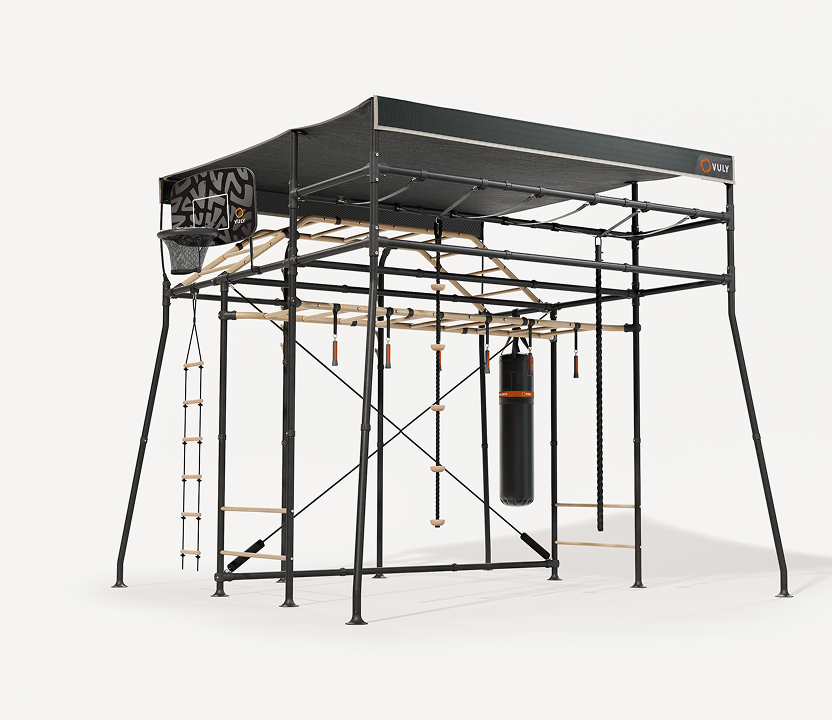
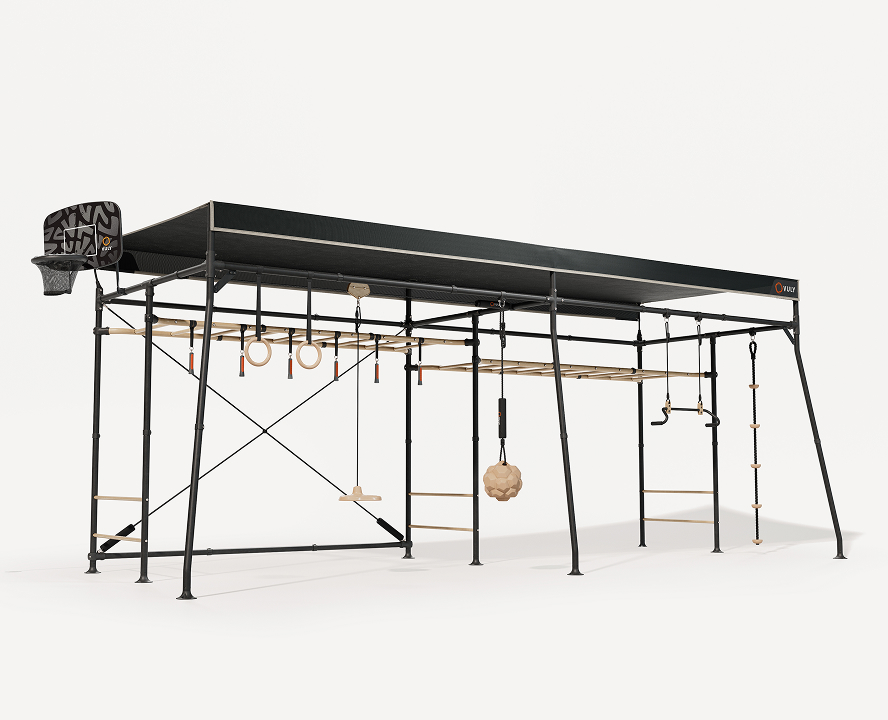
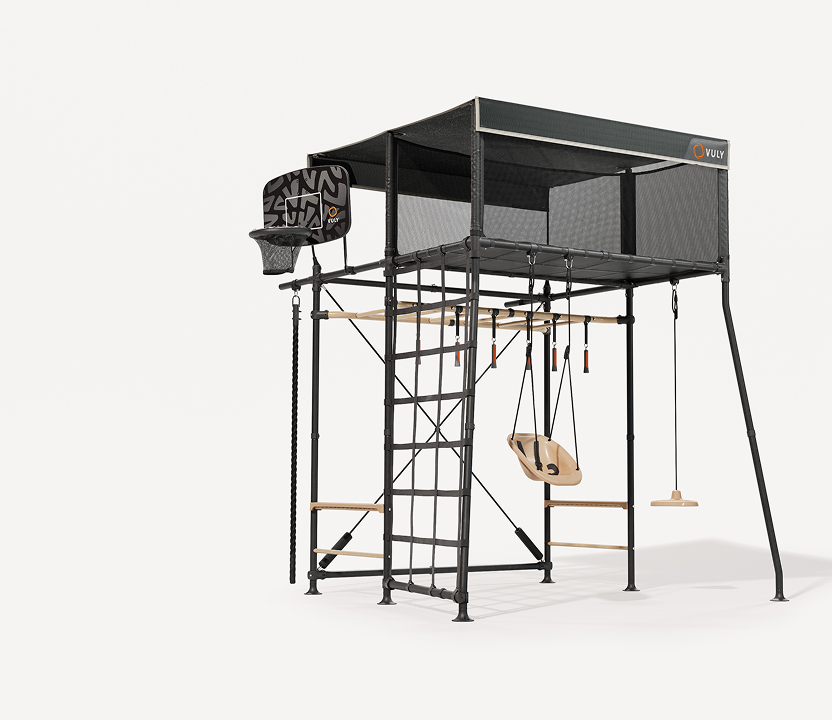
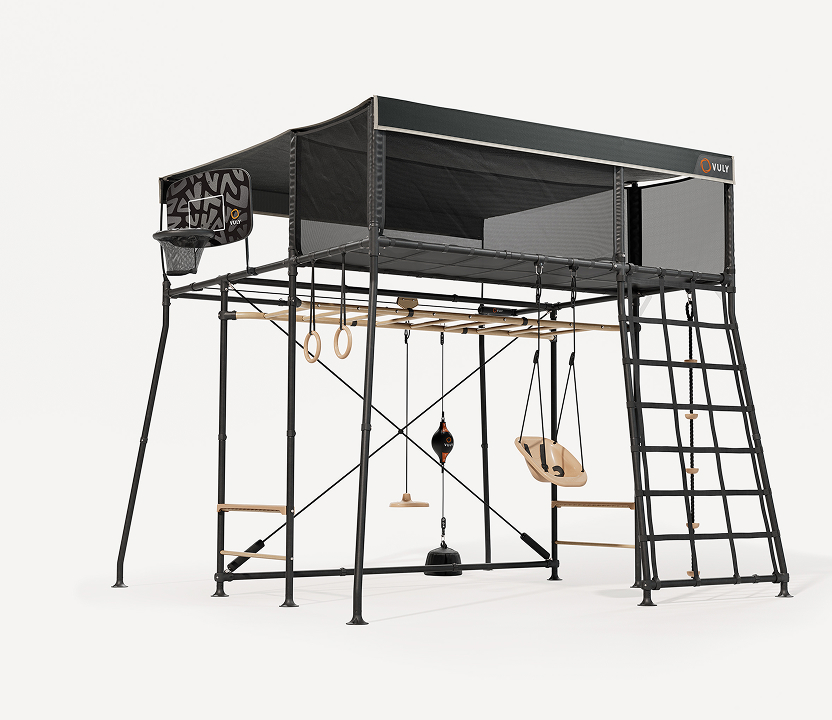
There is something naturally satisfying about hitting a target and seeing it react.
Especially when you are a kid. See the ball.
Take a swing. Bam.
It moves. Now you want another shot.
That simple cause-and-effect loop is what makes a Punching Ball such an easy backyard activity to understand.
There are no complicated rules. No training session.
No need to explain ten steps before play starts.
Just: See it. Aim. Hit. React. Go again.
And underneath that simple game, kids are also using timing, hand-eye coordination, visual tracking and body control.
They probably will not care about any of that.
They will just want another turn.
What Is a Punching Ball?
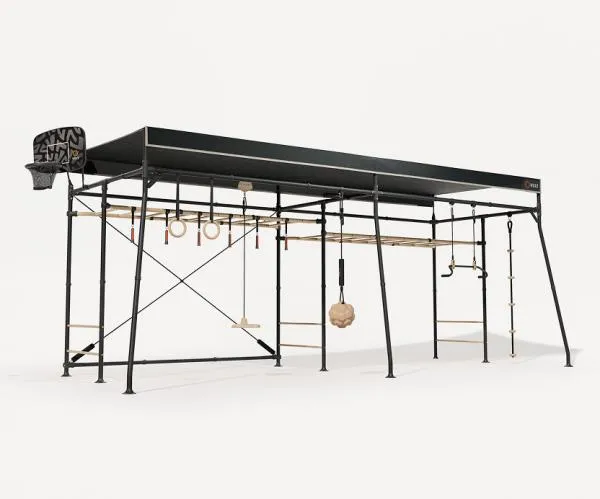
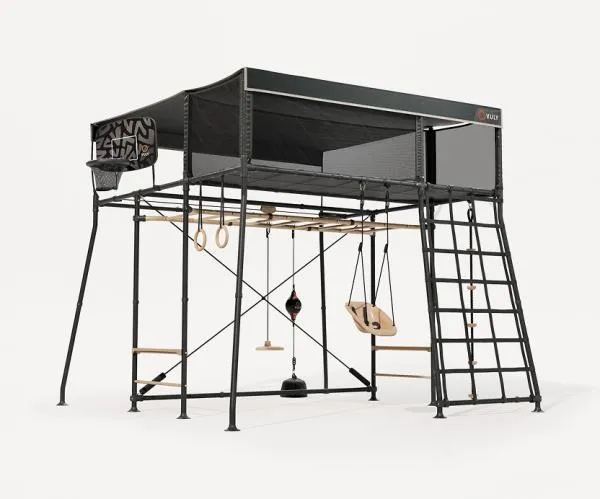
A Punching Ball is a hanging outdoor play accessory designed to move when it is hit.
Because the target responds after contact, the child needs to watch where it goes and adjust before the next attempt.
That can encourage:-
- aiming
- timing
- hand-eye coordination
- visual tracking
- balance
- repeated movement
- reaction to a moving target
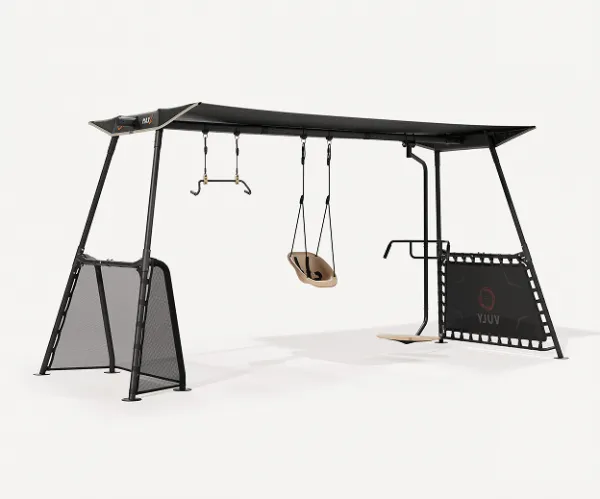
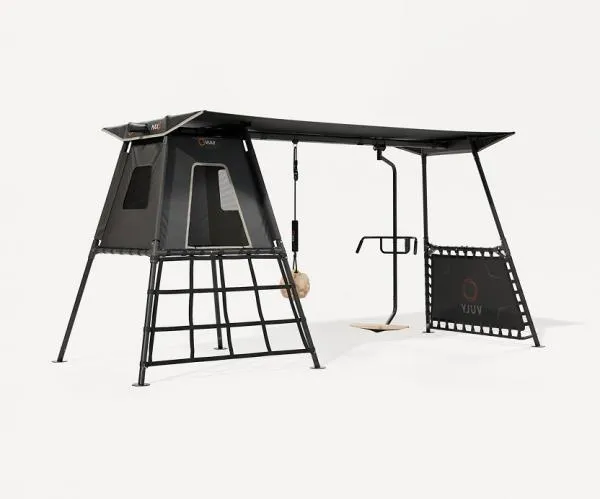
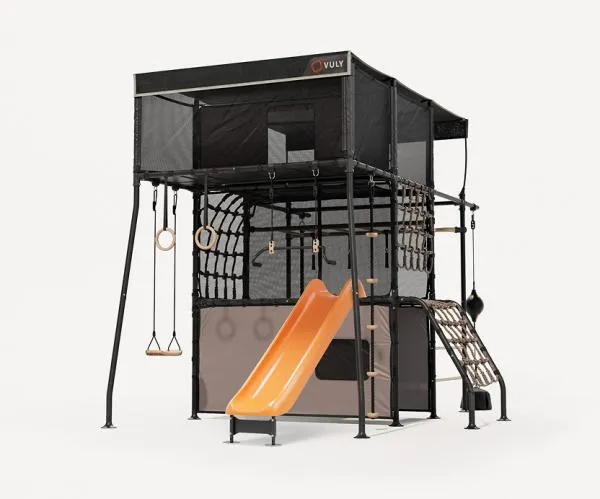
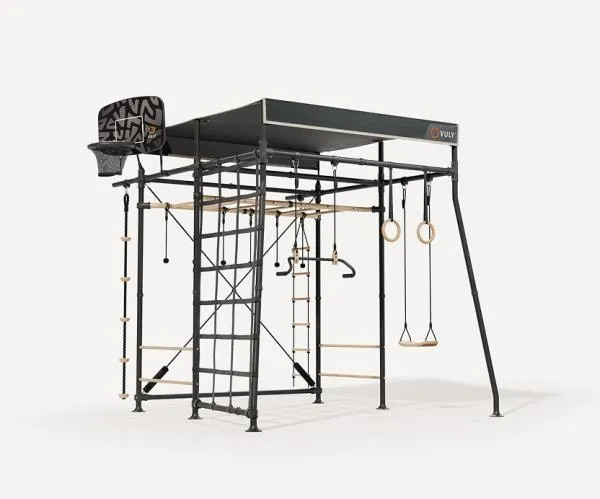
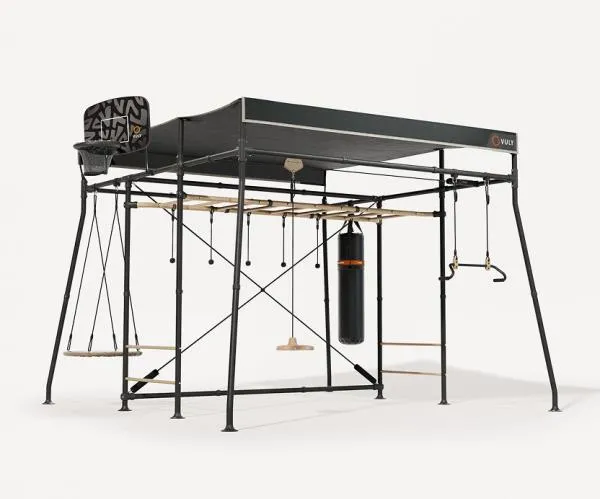
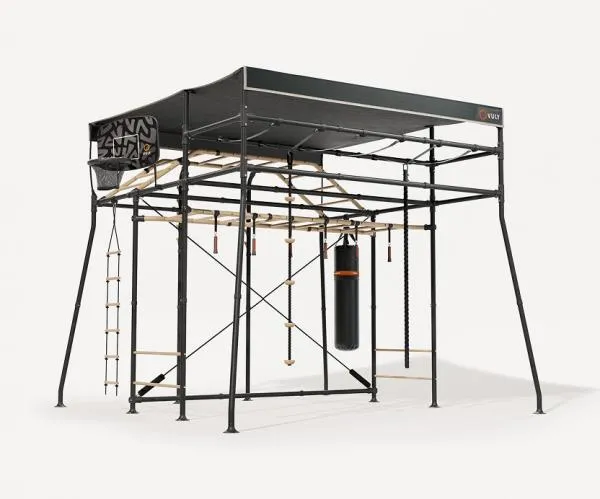
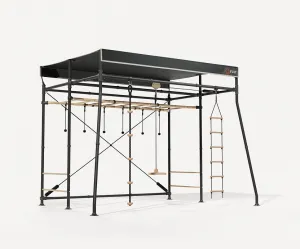
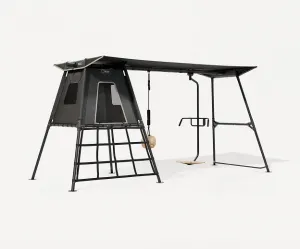
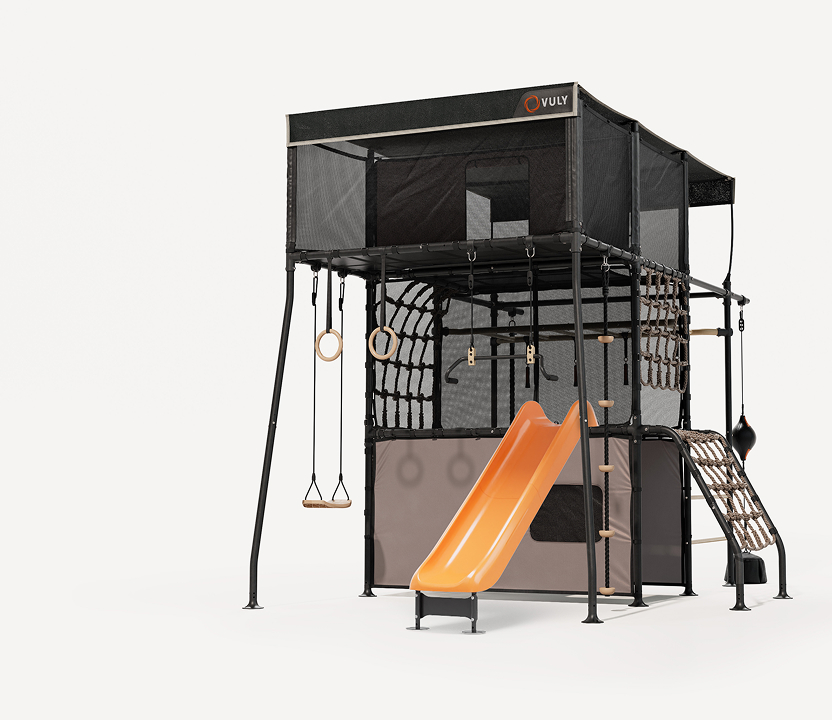
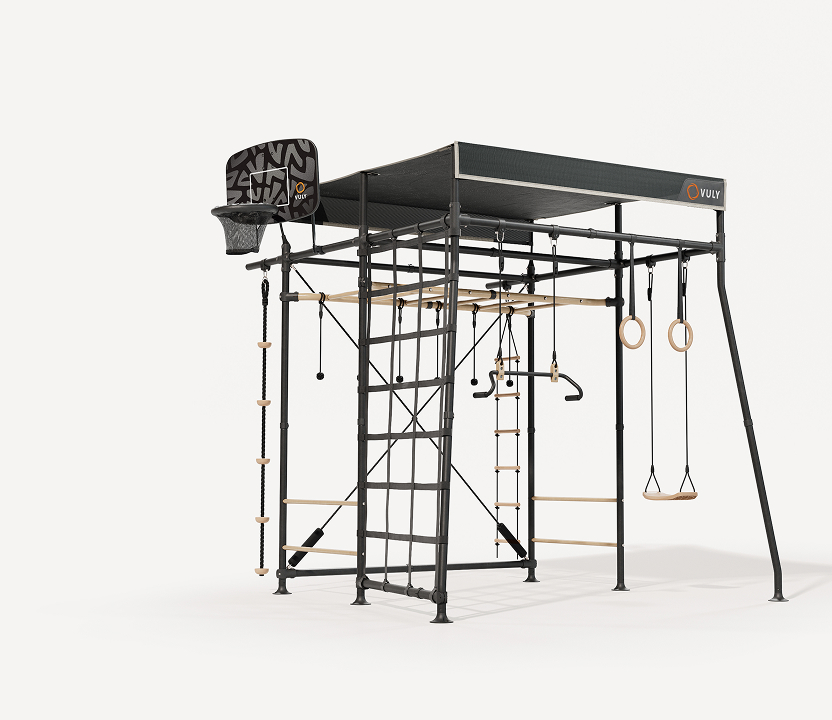
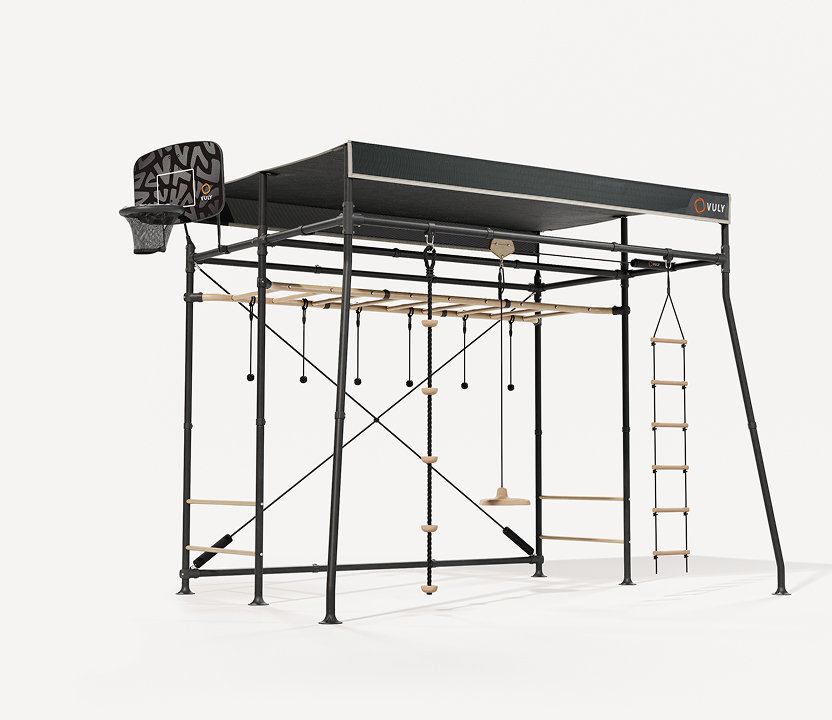
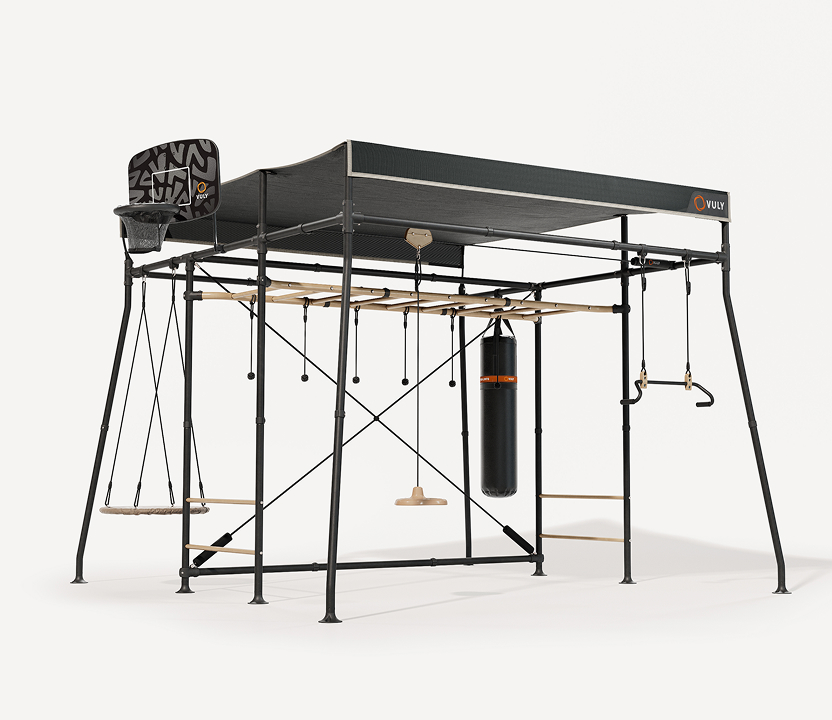
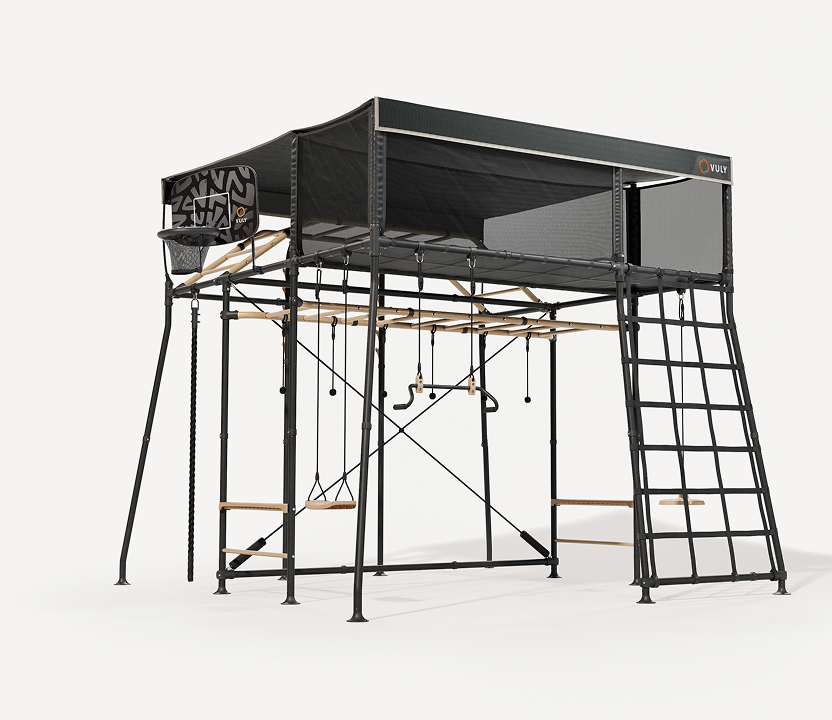
For backyard use, a Punching Ball can attach to a compatible monkey bars or swing set.
The idea is pretty simple.
The ball gives kids something to hit.
Then it gives them a reason to try again.
Why Does a Moving Target Keep Kids Interested?
Because it gives instant feedback.
Hit the ball and something happens right away.
The ball moves. The child sees it.
They adjust. Then they take another shot.
That creates a simple loop:-
action → reaction → adjustment → another attempt
The next hit is not always exactly like the last one, because the target keeps changing position.
That little bit of unpredictability can make repeat play more interesting.
No one has to stand there saying:-
“Try again.”
The ball already handled that part.
Can a Punching Ball Help With Coordination?
It can give kids a simple way to practice coordination through play.
Hand-eye coordination is basically the ability to use what you see to guide how you move.
With a Punching Ball, kids need to:-
- find the ball
- judge where it is moving
- time their movement
- make contact
- track where it goes next
That sounds technical.
For the kid, it is more like:-
“Can I hit it again?”
That is the nice part.
They are practicing useful movement skills without the activity feeling like a lesson.
What Kind of Kid Might Enjoy a Punching Ball?
A Punching Ball may be a solid fit for kids who already enjoy:-
- target games
- ball sports
- short challenges
- repeat play
- activities with quick feedback
- energetic outdoor play
One easy clue?
Watch what they already do.
Do they kick balls at a target?
Throw things through a hoop?
Try to beat their last score?
Turn random objects into goalposts?
If yes, this kind of activity may fit the way they already play.
That is usually a better sign than buying something just because it looks cool online.
Is a Punching Ball Good for Active Kids?
Yep.
Especially kids who like quick bursts of movement.
They may spend a few minutes hitting the ball.
Run over to the monkey bars.
Come back.
Try again.
Then challenge a sibling.
Then disappear for a snack.
That still counts as active outdoor play.
Kids do not always use backyard equipment in one long session.
Sometimes they bounce between activities.
That is normal.
And honestly, pretty realistic.
Can a Punching Ball Work in an Obstacle Course?
Definitely.
A Punching Ball works well as a challenge station or finishing target.
For example:-
Climb the ladder.
Cross the monkey bars.
Move through the rings.
Finish the cargo net.
Hit the Punching Ball three times.
Run back to the start.
Done.
Or not done, because somebody will immediately want to beat the last time.
The target gives the course a clear ending.
That makes the whole game easy to understand.
Can Kids Use It on Their Own?
Once it is correctly installed and appropriate for the child, the activity itself is pretty straightforward.
They do not necessarily need:-
- another kid
- someone throwing a ball
- a parent keeping score
- a formal game
They can create their own goals:-
- ten hits
- alternating hands
- no-miss challenges
- timed rounds
- obstacle-course finishes
That makes it useful for those random after-school moments when you hear:
“I’m bored.”
Cool.
There is the target.
Have at it.
Why Does Placement Matter?
Where the Punching Ball sits on the playset can affect how naturally kids use it.
If it is near climbing or obstacle-style equipment, they may start working it into their existing games.
If it is squeezed into a weird corner, probably not.
Parents should think about:-
- approach space
- room for the ball to move
- nearby accessories
- surrounding clearance
- how kids move through the playset
Good placement makes the activity easier to notice and easier to use.
Pretty basic.
But it matters.
What Does a Punching Ball Add to the Backyard?
Its biggest strength is simple:
Kids do something and immediately see what happened.
They aim.
Hit.
React.
Adjust.
Try again.
From that one loop, they can create:-
- score challenges
- coordination games
- obstacle courses
- independent play
- sibling competitions
- quick movement breaks
One target.
A bunch of possible games.
Not bad.
Will Kids Keep Using It?
No backyard accessory comes with a guarantee.
Kids change interests.
Fast.
But the Punching Ball has one advantage:
The challenge can change.
Today: Five hits.
Tomorrow: Beat ten.
Next week: Finish the obstacle course and hit it before the timer runs out.
Same equipment.
Different goal.
That gives kids room to keep changing the game without needing new gear every time.
The 30-Second Parent Check
Before adding one, ask:
-
Does my child already enjoy target games?
-
Do they like quick challenges?
-
Will it fit our current playset?
-
Is there enough room for the ball to move?
-
Can I actually picture them coming back to it?
Mostly yes?
Did You Know?
Punching Ball or Boxing Bag? Aren’t they basically the same thing?
Not quite!
Punching Ball: “Try to keep up!”
Boxing Bag: “Go ahead. Give it your best shot.”
So when the kids are throwing punches at the backyard punching ball, they’re not exactly training for the heavyweight championship...
But hey, at least they’re burning off some energy.