Before playgrounds had giant slides, themed towers and elaborate play systems, there was a much simpler idea:-
Give kids a structure. Let them climb it. See what happens.
That idea helped shape what we now know as the climbing frame, jungle gym and monkey bars and part of that story started right here in the United States.
Wait, Did the Climbing Frame Really Start in America?
Pretty much. In the early 1920s, Sebastian Hinton developed and patented a children's climbing structure in Illinois. His design used interconnected horizontal and vertical bars, allowing children to climb in different directions rather than following one fixed path.
Hinton's inspiration went back even further. As a child, his father had built a cubic framework from bamboo poles to help the family understand movement and space. Naturally, the kids mostly wanted to climb all over it.
Years later, Hinton turned that idea into a metal playground structure that became associated with the name 'jungle gym.'
Smithsonian notes that Hinton received his first US patent for the design in 1923.
More than 100 years later, kids are still doing basically the same thing.
Climb. Swing. Hang. Jump off. Repeat until somebody says dinner is ready.
So What Exactly Is a Climbing Frame?
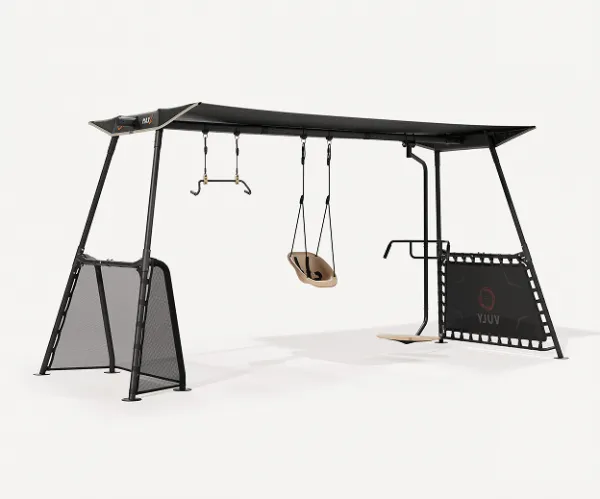
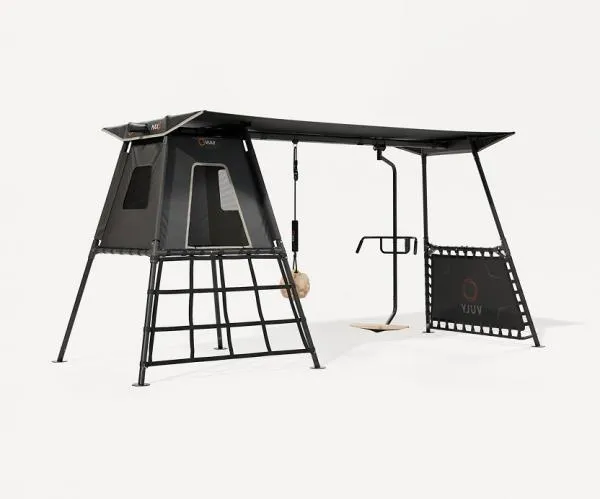
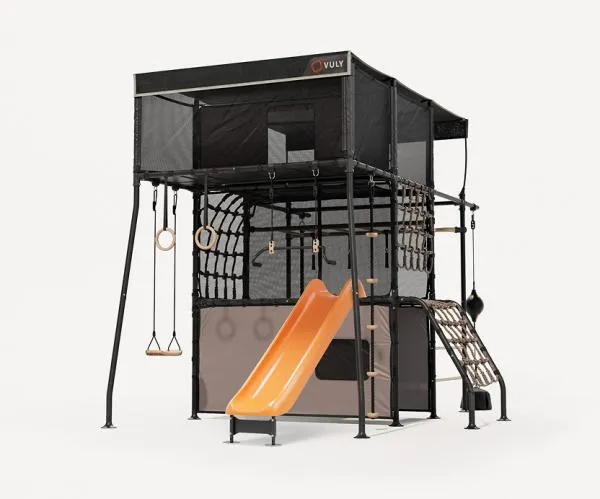
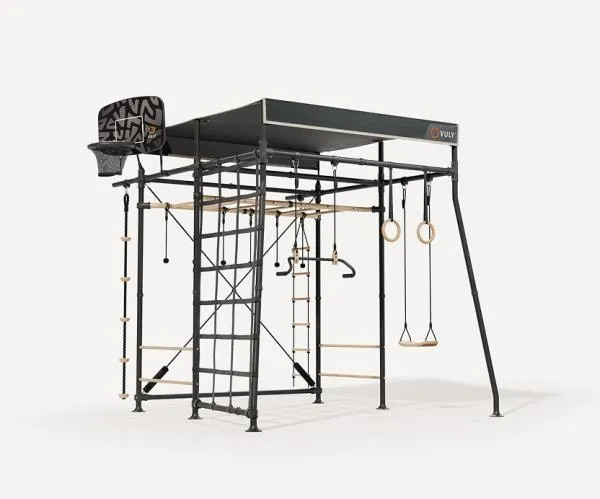
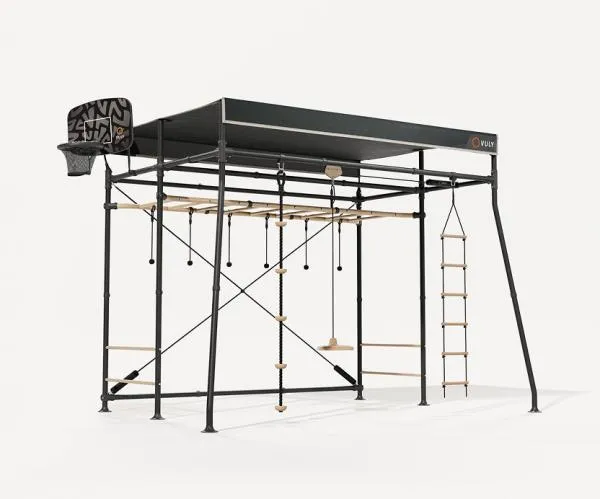
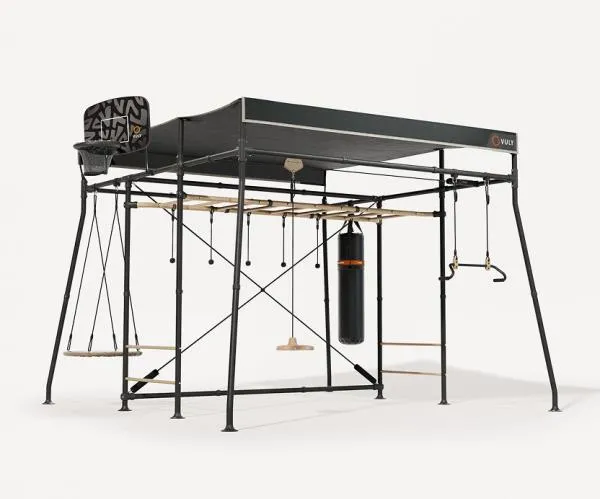
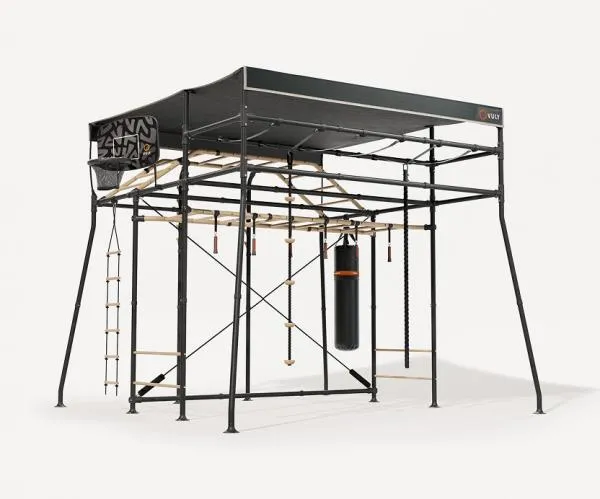
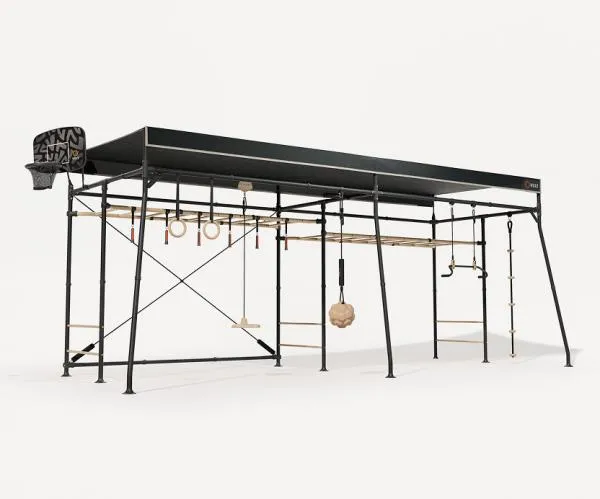
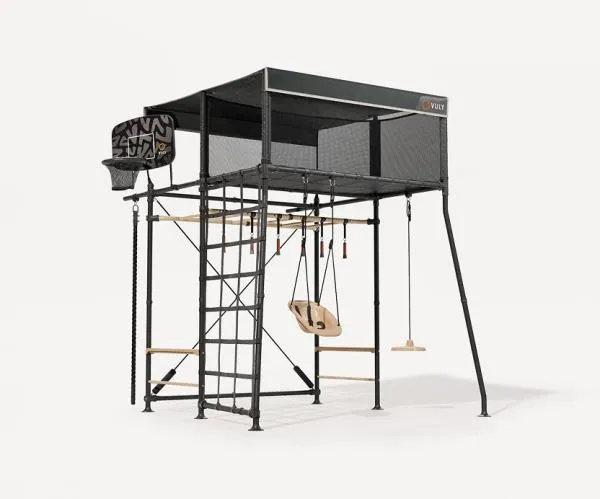
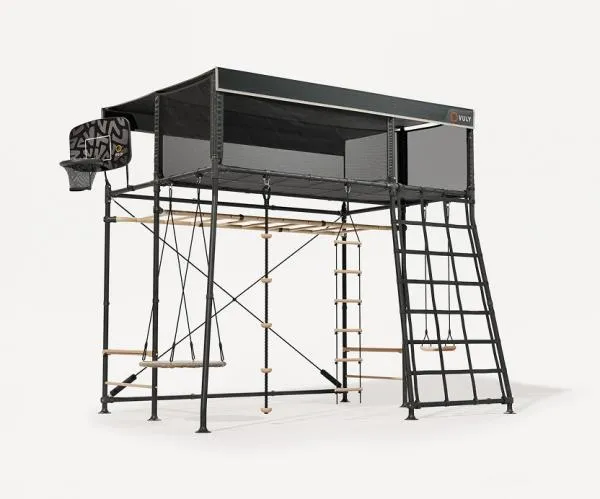
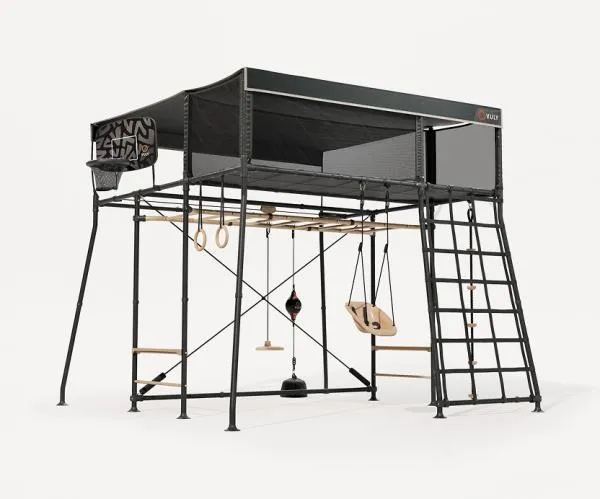
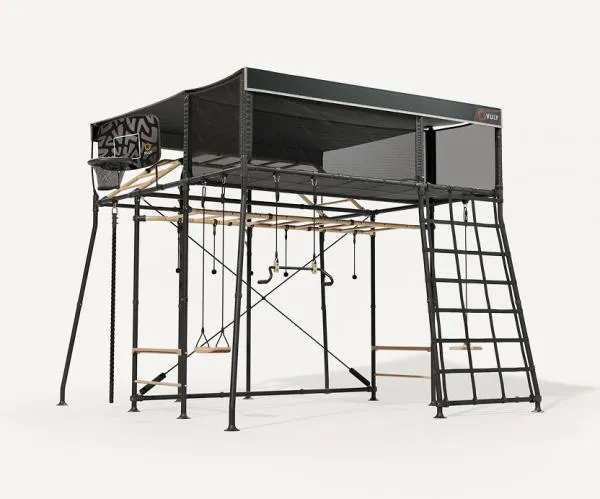
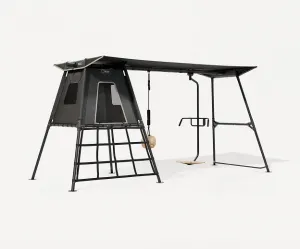
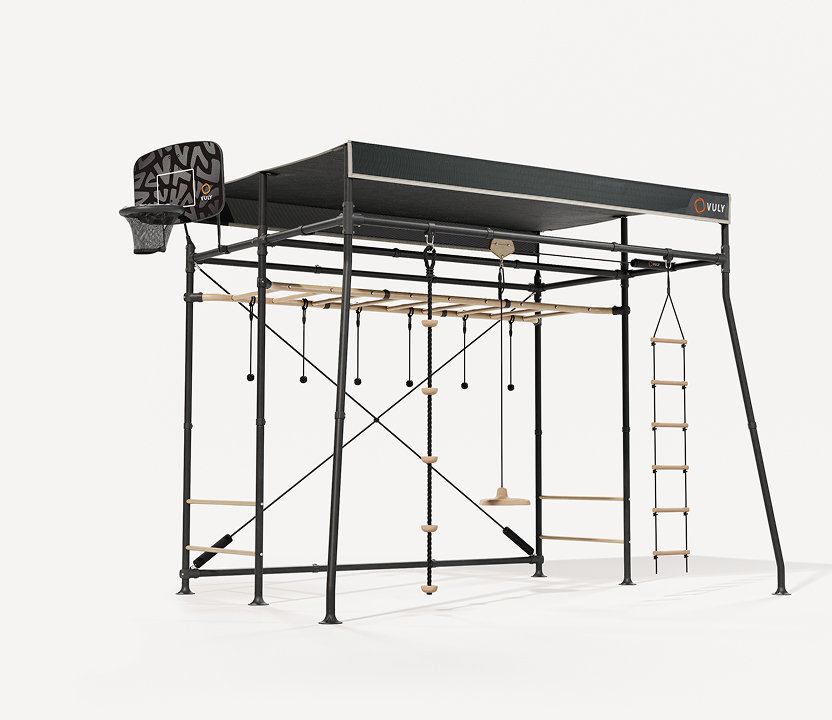
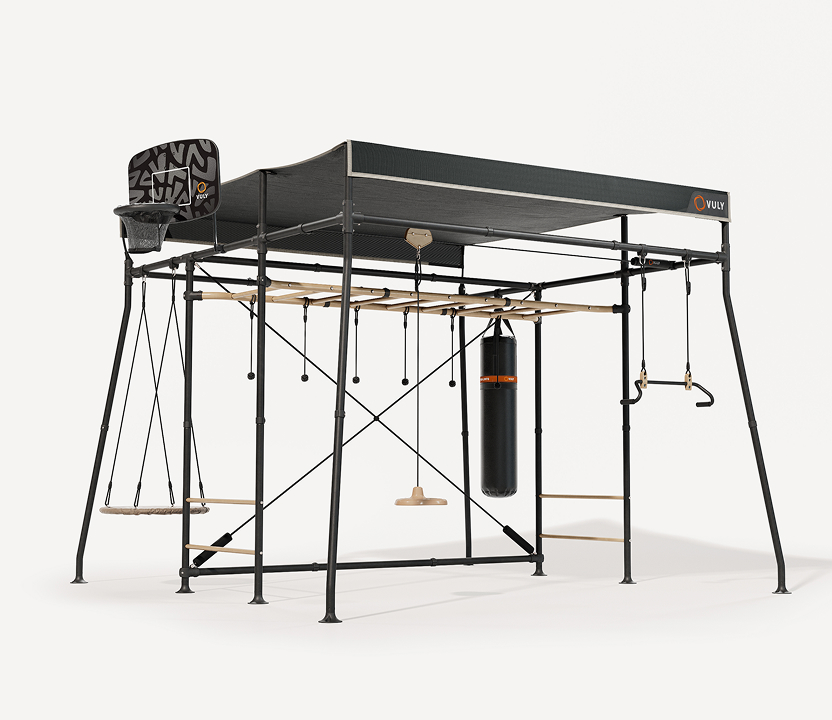
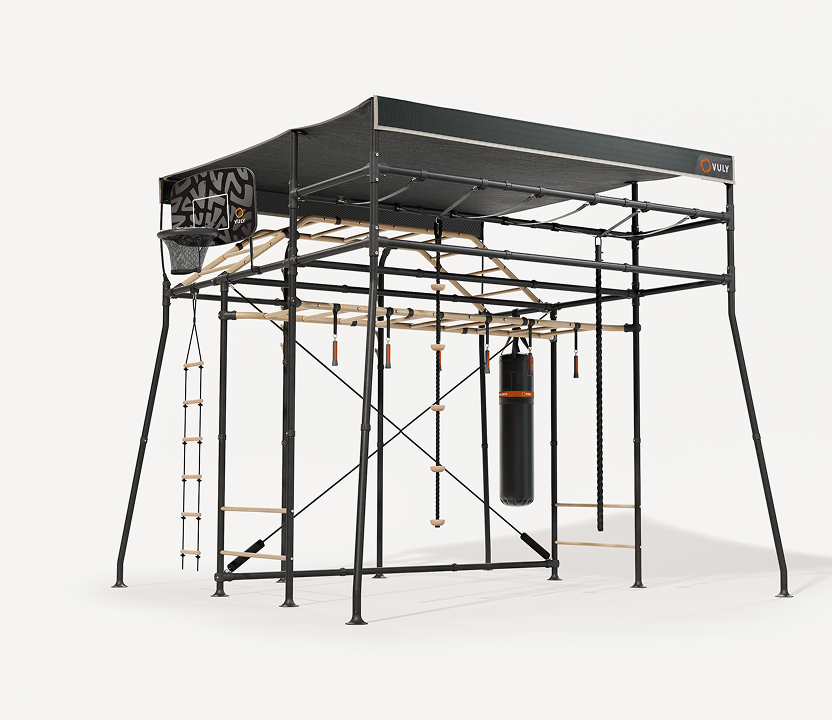
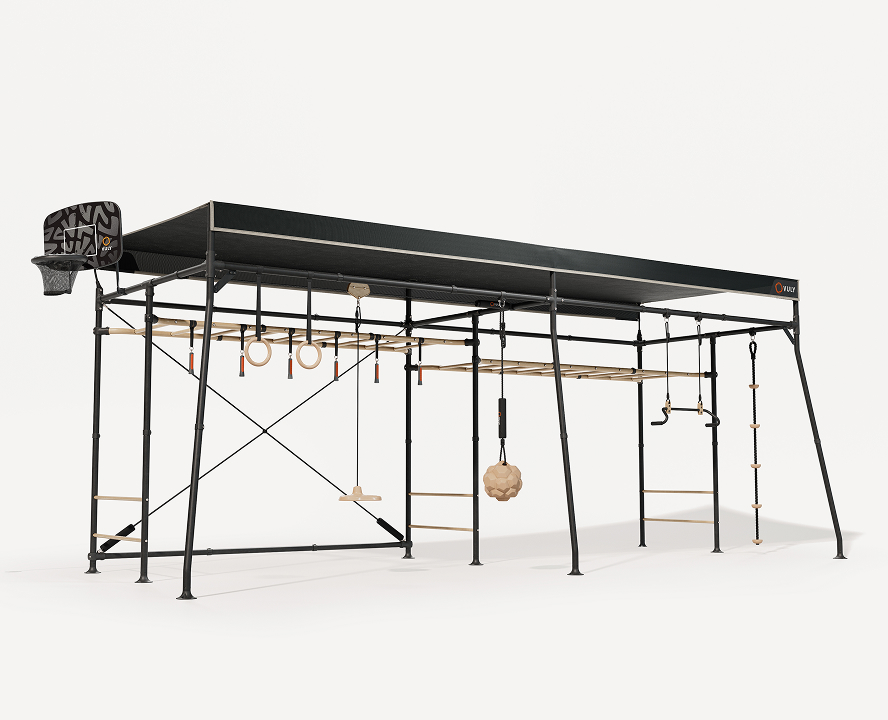
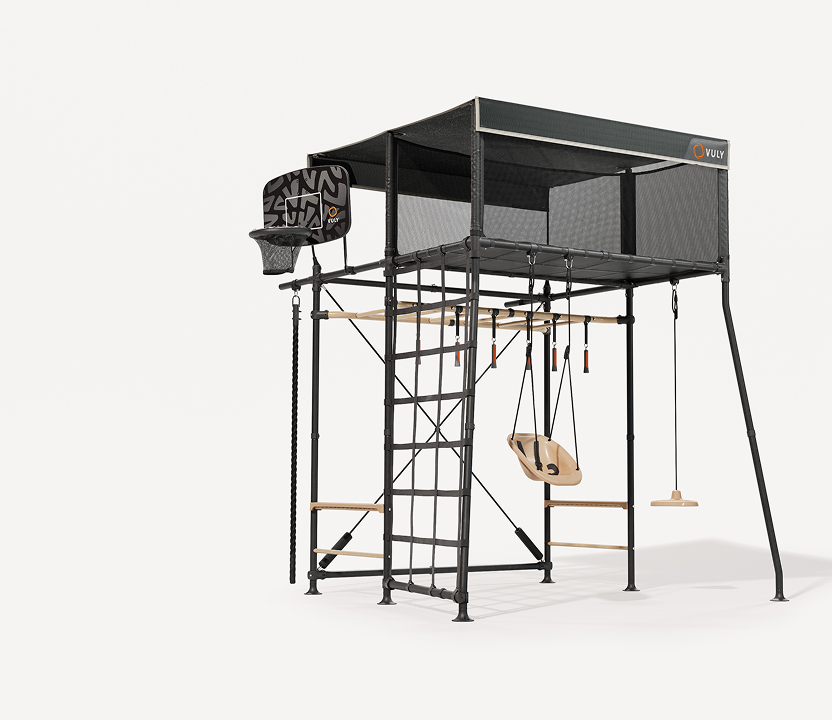
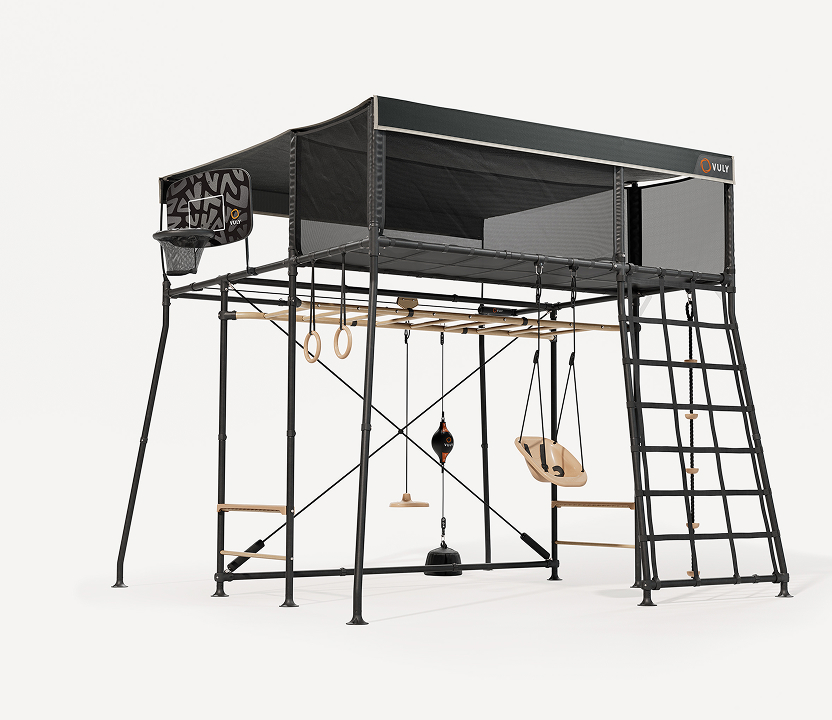
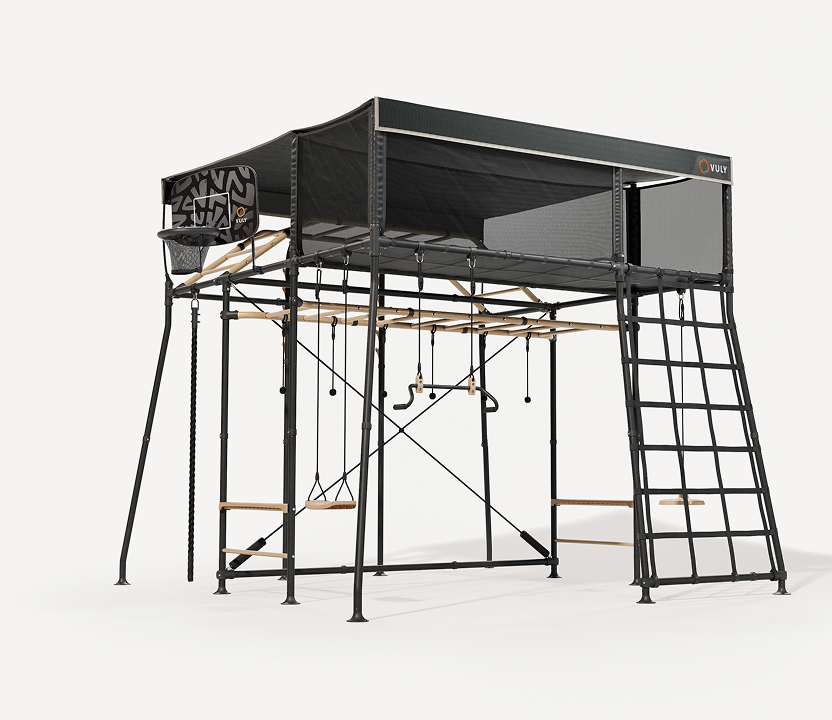
A climbing frame is an outdoor play structure designed to give kids different ways to move through or around it.
Depending on the design, it might include:-
The important part is that there's usually more than one way to play.
A slide mainly says, “go down.”
A swing says, “go back and forth.”
A climbing frame basically says:-
“Good luck. Figure it out.”
And kids absolutely will.
Climbing Frame vs Monkey Bars: What's the Difference?
This is where things get confusing.
In the US, people are more likely to say monkey bars or jungle gym than climbing frame.
But they aren't exactly the same thing.
Monkey bars usually refer to the overhead horizontal bars that kids cross hand-over-hand.
A climbing frame is the larger structure.
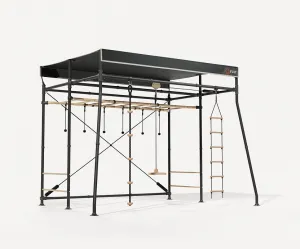
So a climbing frame might contain monkey bars, but it could also include ladders, platforms, ropes and other climbing features.
Think of it like this:-
Monkey bars = one challenge.
Climbing frame = the whole adventure.
And then there's jungle gym, which Americans have used for decades as a broader name for playground climbing structures.
Different names. Very similar kid energy.
Why Do Kids Love Climbing Frames So Much?
Adults tend to look at a climbing frame and see equipment.
Kids see possibilities. One side becomes a mountain.
The platform becomes a secret base.
The ground becomes lava. The monkey bars suddenly become the only possible route to safety.
This kind of play lets children decide how they want to move through the structure instead of following one prescribed activity.
While they're busy making up missions, they're also using balance, coordination, grip strength and body awareness.
Hinton himself believed climbing was valuable because it involved movement across the whole body, which was part of the thinking behind his original climbing apparatus.
Kids probably don't care about any of that.
They're just trying to beat their sibling to the other side.
From Jungle Gym to Backyard Climbing Frame
Early climbing structures were often fairly simple grids of metal bars.
Today's backyard climbing frames can be much more flexible.
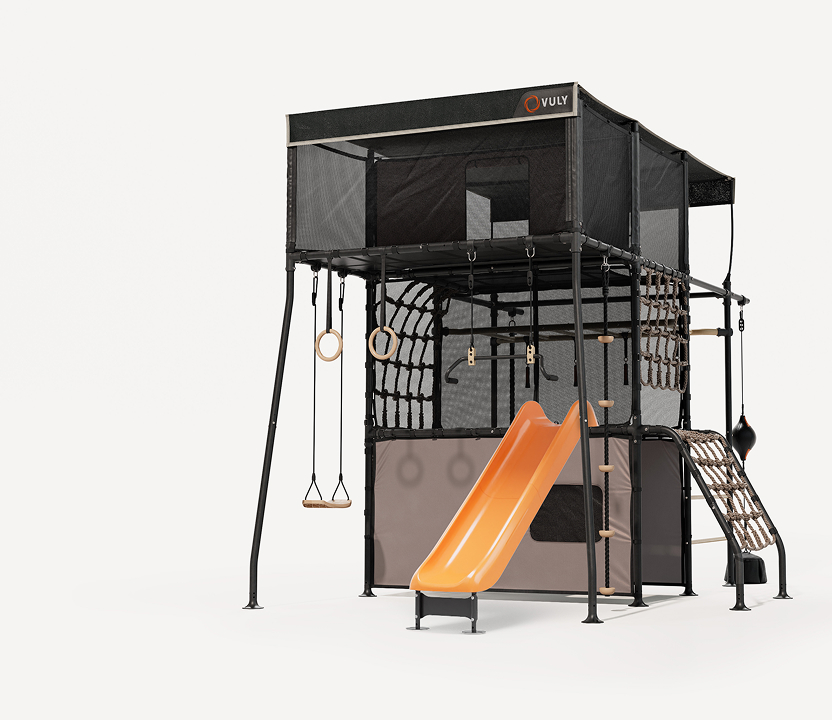
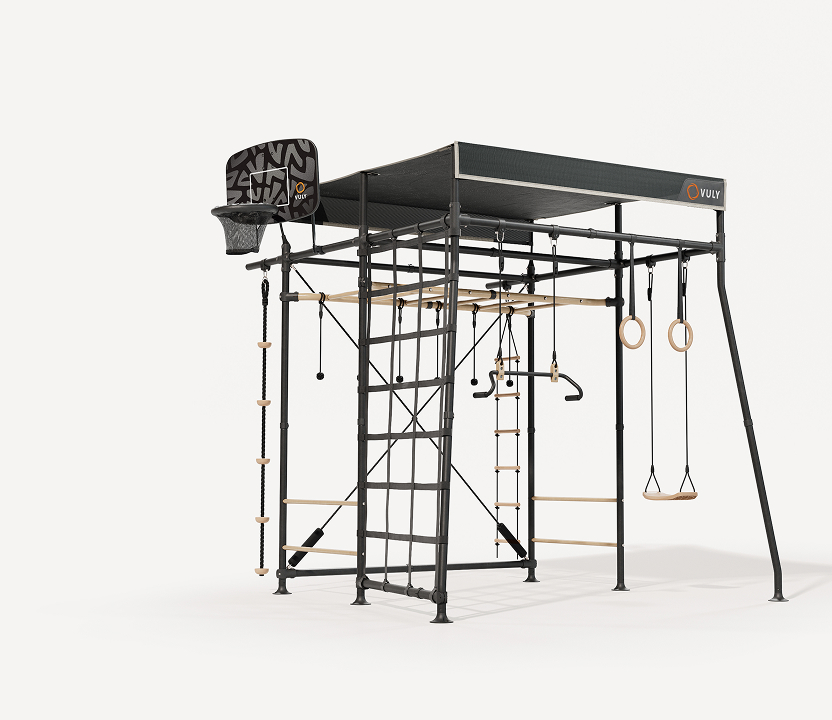
You might find monkey bars on one side, climbing features on another and room to add different challenges as kids get older.
That's probably why the basic idea has lasted for more than a century.
The equipment changes.
The materials improve.
The backyard gets upgraded.
But kids still see something tall and immediately think:-
“Can I climb that?”
Peak parent experience.
You spend hours choosing outdoor play equipment based on safety, durability and development.
Your kid's review:-
“Cool. I'm going to pretend this is a spaceship.”
Climbing Frame, Jungle Gym or Monkey Bars?
If you're shopping, you'll probably come across all three terms.
Here's the easy version:-
Climbing frame — the broader structure designed for climbing and movement.
Monkey bars — the overhead bars kids move across using their hands.
Jungle gym — the classic American name for a larger climbing structure.
Read more for more detail here.
The names may have changed and overlapped over the years, but the concept is remarkably familiar.
Build something that gives kids the freedom to climb.
Then let their imagination take over.
More than 100 years after the first US climbing structures appeared, that's still a pretty awesome idea.
Author’s Tip:
If you’re thinking about bringing a climbing frame home, here’s a little secret from us…
Use code [V U L Y D I G E S T] at checkout for USD $15 off your first Climbing Frame.
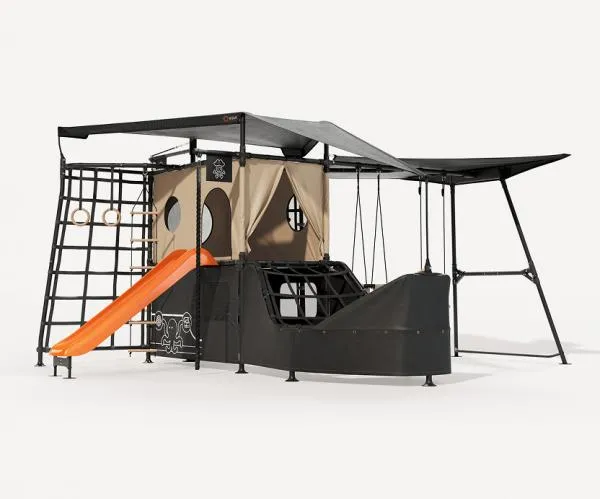
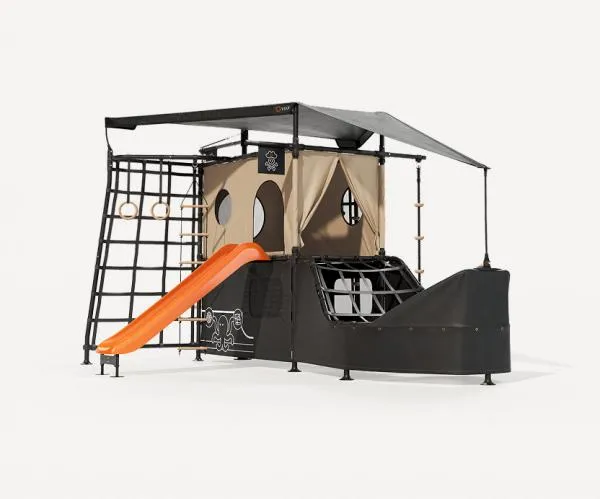
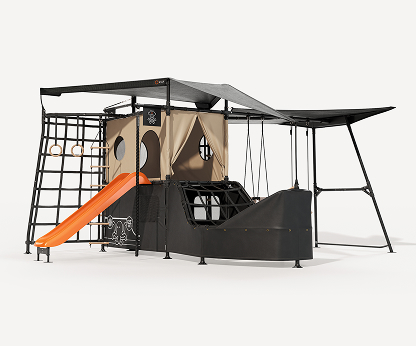
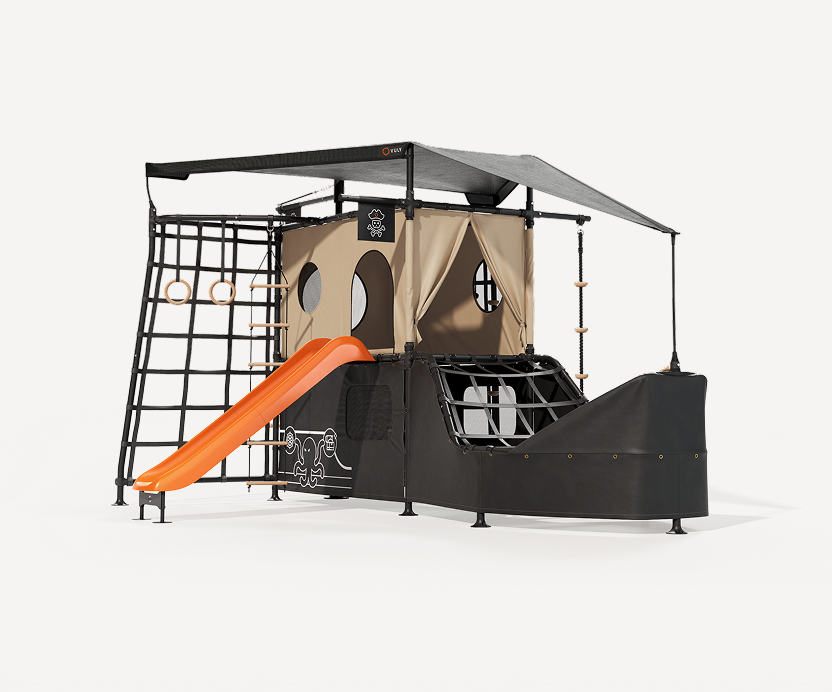
And if your backyard crew is ready for more adventure, have a peek at our Tree Houses and Pirate Ships too.
Happy climbing!