Inclusive Play - How to Adapt Monkey Bar Fun for Every Ability

Jan 28, 2026
4 mins




Key Highlights
- Adaptive Design: Use height-adjustable frames to allow for weight-bearing play with feet on the ground.
- Sensory Benefits: Hanging provides proprioceptive input, a "heavy work" activity that helps many children regulate their nervous systems.
- Stable Access: Ensure Safety Surfacing (8–12 inches of mulch or rubber) is accessible for children with mobility aids.
- Inclusive Accessories: Utilize Nest Swings and Ninja Grips to provide various ways to engage based on motor skill levels.
For a child, a backyard monkey bar set isn’t just equipment - it’s a castle, a gym, and a laboratory for "what if." At Vuly, we believe every child deserves that "top of the world" feeling, regardless of their physical, sensory, or cognitive starting point.
Inclusive play isn’t about changing the child to fit the equipment; it’s about adapting the environment to empower the child. Whether your little one is navigating sensory processing challenges, mobility limitations, or developmental delays, here is how to turn a standard monkey bar set into an inclusive haven.
1. Physical Adaptations: Meeting Them Where They Are
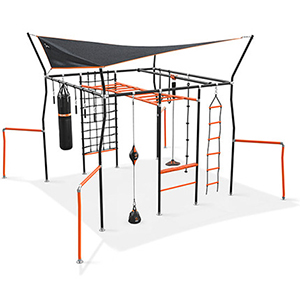
For children with lower muscle tone or mobility challenges, the traditional "traverse" can feel out of reach. In the US, the focus is on "Success-Oriented Play."The Low-Entry Setup: Use the Quest’s height-adjustability to bring the bars down to chest level. This allows children to practice "weight-bearing" through their arms while keeping their feet firmly on the ground or a stable platform.The "Stable Base" Strategy: If a child uses a mobility aid, ensure your Safety Surfacing (like poured-in-place rubber or firm rubber tiles) is level and stable enough for wheels to navigate right up to the frame.Assistive Grips: Introduce Vuly Ninja Grips or wider handles. For children with fine motor difficulties, a larger surface area is often easier to grasp than a standard thin metal bar.
2. Sensory-Friendly Spaces: The "Cozy Corner"
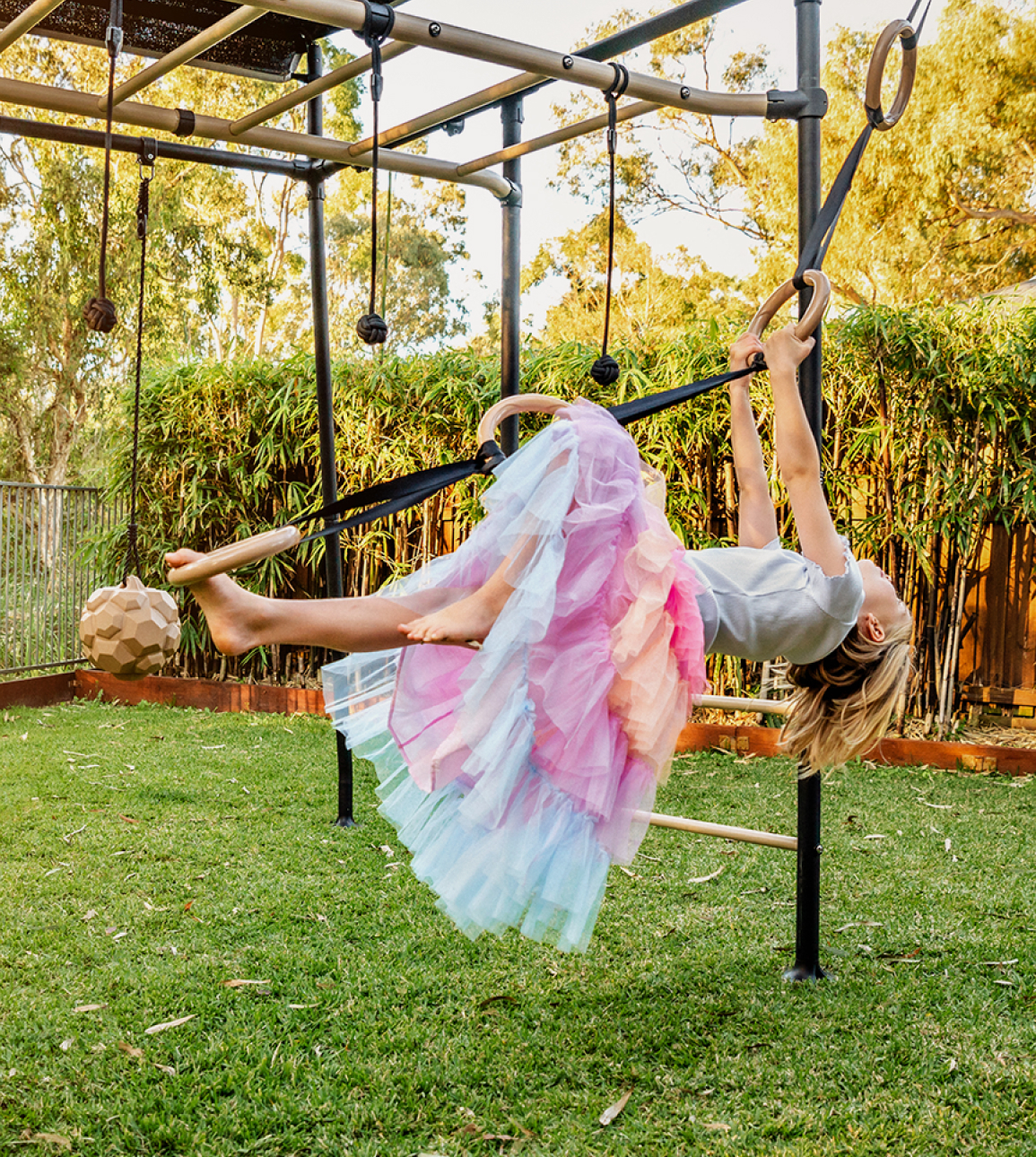
Many children on the autism spectrum or with sensory processing disorders (SPD) seek "heavy work" (proprioceptive input) to calm their nervous systems. Monkey bars are a phenomenal tool for this.Heavy Work Benefits: The act of hanging or pulling provides deep pressure to the joints, which can be incredibly grounding.The "Hideout" Retreat: Use the Quest Pro’s shaded nook as a "low-stimulation" zone. If the sun or wind becomes too much, having a shaded, elevated space allows a child to stay outdoors without feeling overwhelmed.Texture Exploration: Adding different attachments like a soft Nest Swing vs. a cold steel bar vs. a knotted rope provides a "sensory menu" for kids to explore at their own pace.
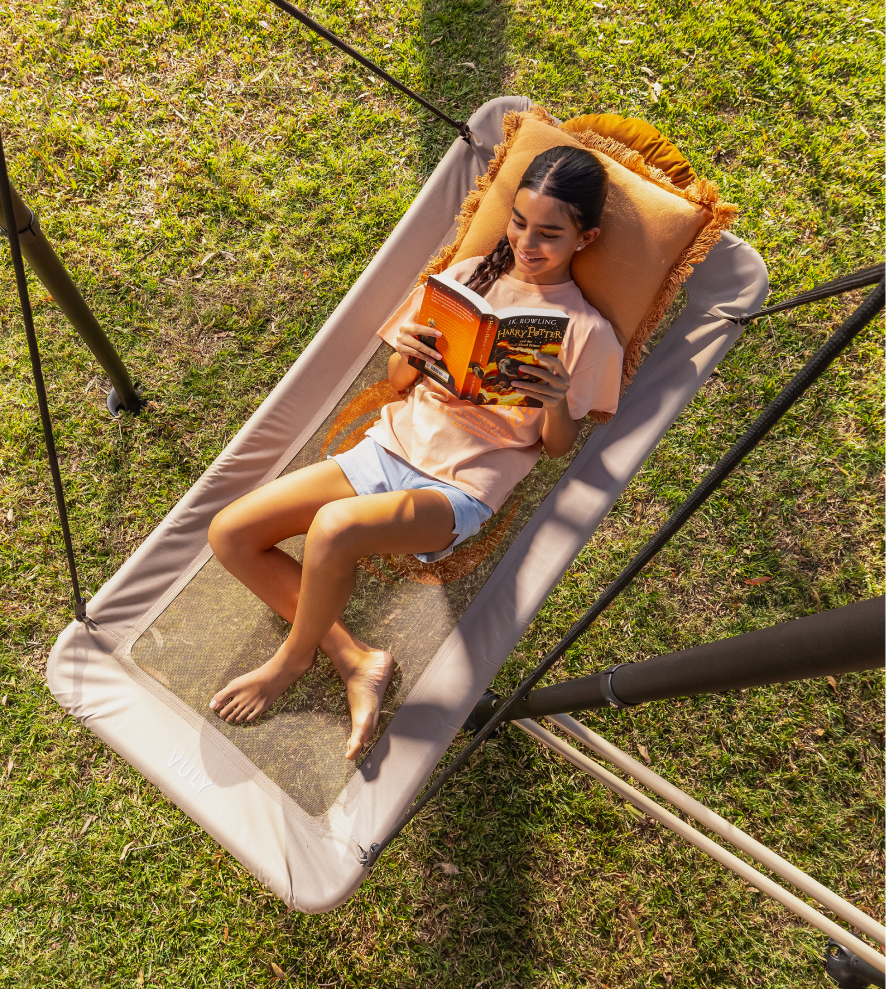
3. Cognitive & Social Inclusion: Play with Purpose
Inclusive play is also about the "hidden" wins - building confidence and social bonds with siblings or friends.Visual Timers and Cues: For children who thrive on routine, use a simple visual timer for "turns" on the swing. This reduces anxiety and makes social play predictable and fun.The "Gradual Challenge" Ladder: Don't focus on the end of the bars. Celebrate the "First Reach" or the "Three-Second Hang." These milestones are just as valid as a full crossing.Companion Play: The Vuly Quest’s high weight capacity (up to 330 lbs / 150 kg total) means a parent or therapist can often be right there beside the child, providing physical spotting or emotional encouragement safely.
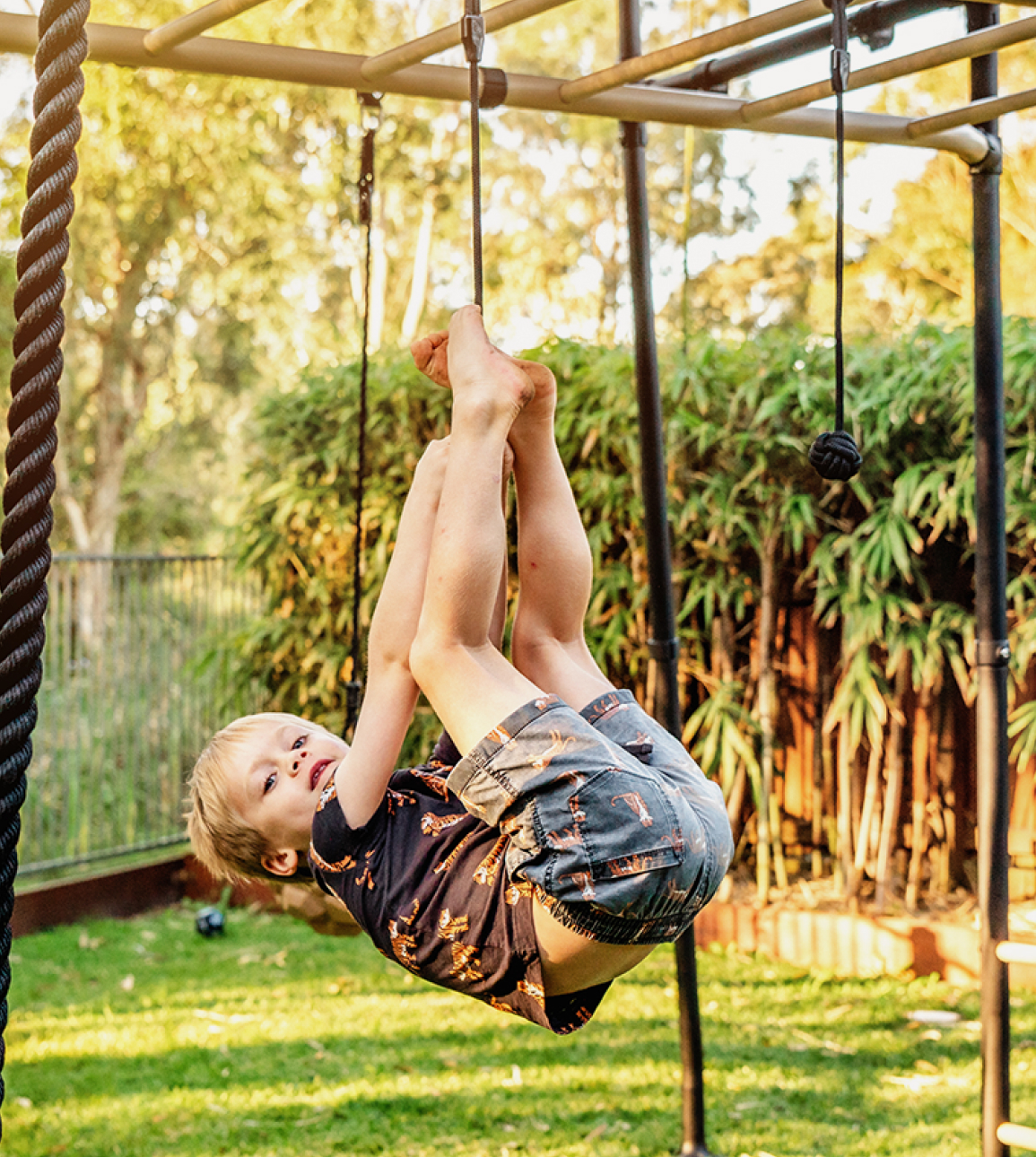
4. Safety First: The US Standards for Inclusive Play
When setting up an inclusive backyard in the States, we look to ASTM F1292 standards for impact attenuation.Extra-Wide Fall Zones: If a child has less control over their landings, consider extending your safety surfacing (mulch or rubber) an extra 2–3 feet beyond the standard 6-foot requirement.High-Contrast Markers: For children with visual impairments, use bright-colored athletic tape to mark the beginning and end of the bars to help them navigate depth and distance.
5. Adaptive Games for Monkey Bars
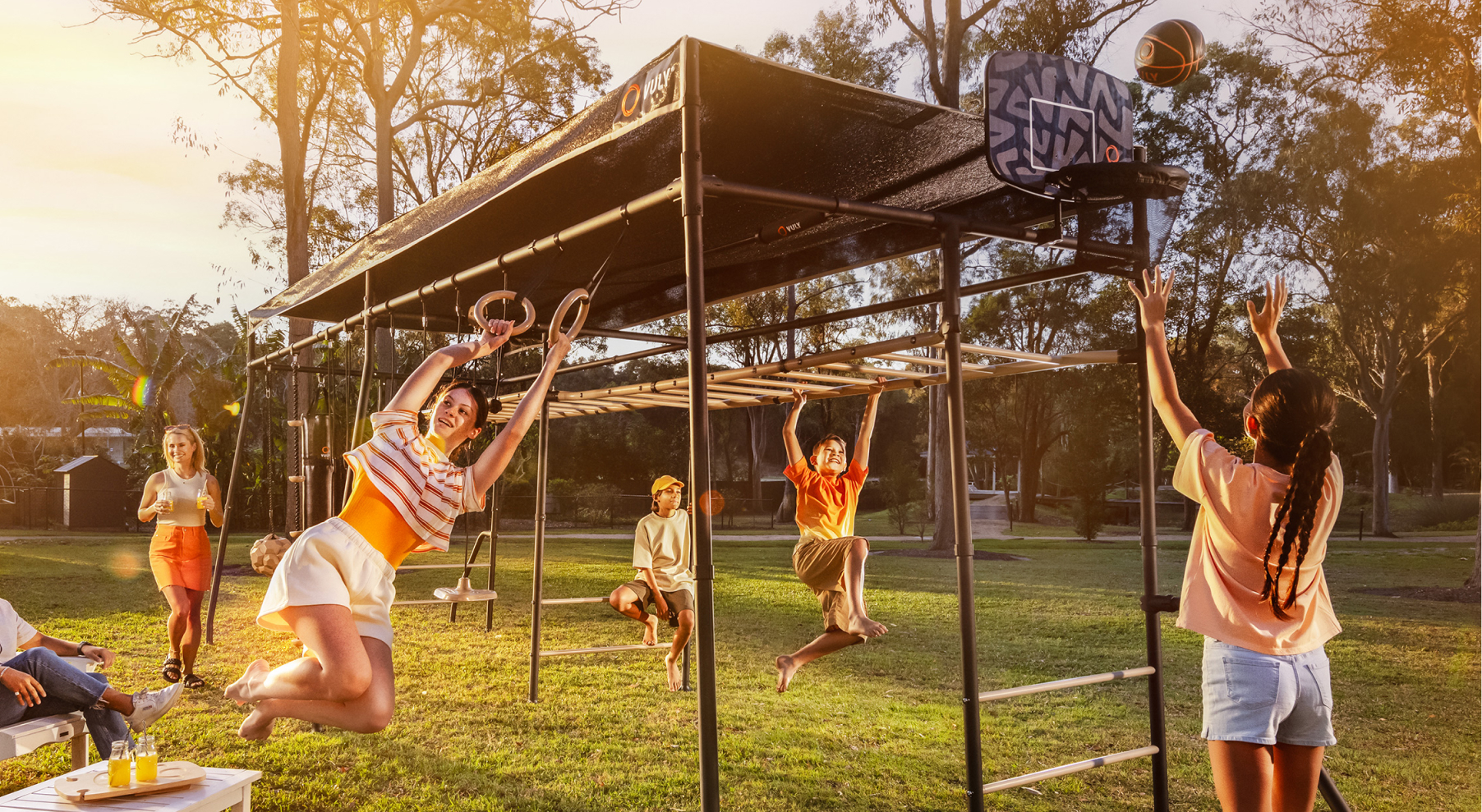
The Sensory Car Wash and Visual Exploration
The Sensory Car Wash is an excellent starting point for sensory seekers or children who thrive on visual and tactile feedback. To set this up, you can hang various soft items from the bars such as strips of felt or pool noodles. The child then moves through the car wash by walking or crawling underneath the structure. This simple activity provides consistent tactile input and helps the child develop a better sense of spatial awareness as they navigate the hanging obstacles. It transforms the monkey bar frame into a low pressure environment where exploration is the primary goal.
Reaching for the Stars and Building Stability
For children with lower muscle tone or those who use mobility aids, the Reach for the Stars game focuses on success oriented play. By lowering the bars to a height just above the child’s seated or standing reach, you can place colorful magnets or velcro markers on the top of the bar. The goal is for the child to reach up and grab a star to bring it down. This specific movement encourages shoulder stability and bilateral coordination. It is a powerful way to practice weight bearing and upward reaching without requiring the child to support their full body weight before they are ready.
Animal Hangs and Central Nervous System Regulation
The Animal Hang is a fantastic tool for children who need proprioceptive heavy work to feel grounded. By using a standard bar height where the child's feet can still touch the ground, you can call out different animals to prompt specific movements. For example, a sloth might mean hanging perfectly still for several seconds while a monkey might involve gentle side to side swaying. These activities provide deep pressure to the joints which is a scientifically backed method for helping the central nervous system regulate. It turns a standard physical therapy requirement into a fun and imaginative backyard game.
Bridging the Gap and Strategic Motor Planning
Bridging the Gap is a game designed to help children work on problem solving and motor planning. You can place a red towel or an outdoor mat on the ground to represent lava and challenge the child to get from one side of the frame to the other. For kids who are not ready to swing, they can use stepping stools as stones while holding the bars for balance or navigate laterally across a cargo net. This helps them think through a physical sequence and build the cognitive pathways necessary for complex movement in a safe and controlled setting.
Nest Swing Bowling and Core Strength
For children with more significant mobility limitations, Nest Swing Bowling offers a way to build core strength and visual tracking. While the child lies on their stomach in the nest swing, you can place lightweight plastic pins or empty bottles a few feet away. As the child swings, they use their hands or feet to knock over the pins. This activity is fully supported by the swing and allows the child to engage in high energy play while working on their physical milestones. Every successful hit is a massive confidence builder that reinforces the joy of active movement.