




How to Save $5,000 By Skipping Inground and Choosing an Above Ground Trampoline for Your Kids
Once upon a time, a dad almost called an excavator to utterly wreck his backyard because he wanted an inground trampoline.
Don't worry, there's a happy ending.
Because he didn't go through with it.
Many parents are sold on the idea of a posh backyard with outdoor play equipment that can be hidden out of sight.
But as you dig deeper into the logistics, you'll come to see it for what it really is:
“An inground trampoline is actually a major civil engineering project!”
The sticker price is just the entry fee.
The real cost includes professional trenching, soil removal, retaining walls, drainage, and getting approvals, among other expenses.
Most families just want a safe place for their kids to play, not a messy construction site.
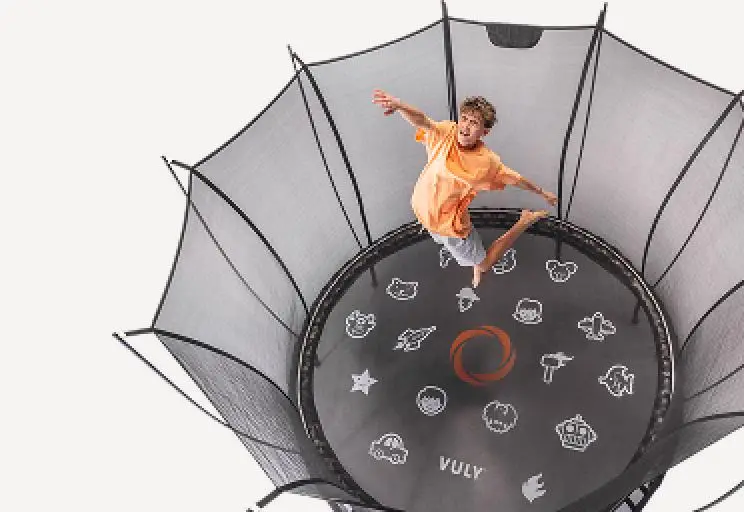
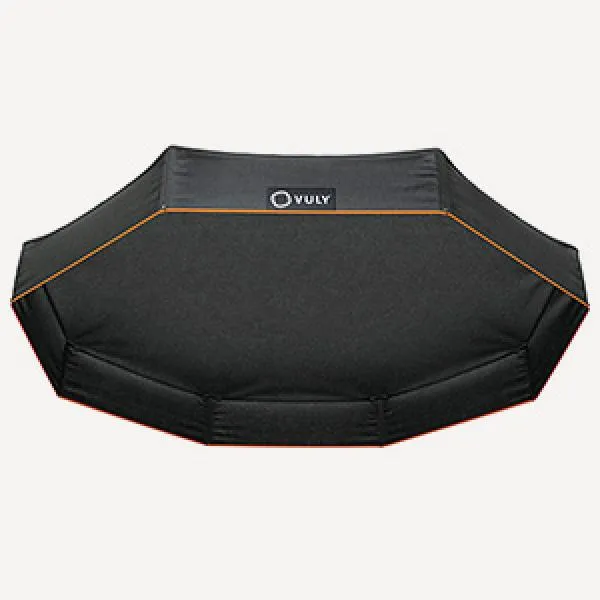
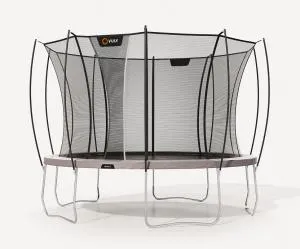
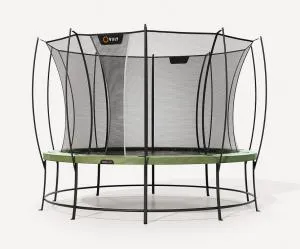
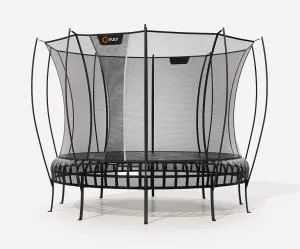
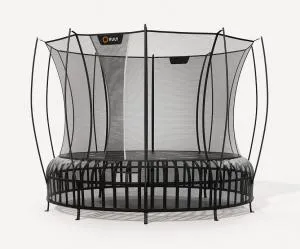
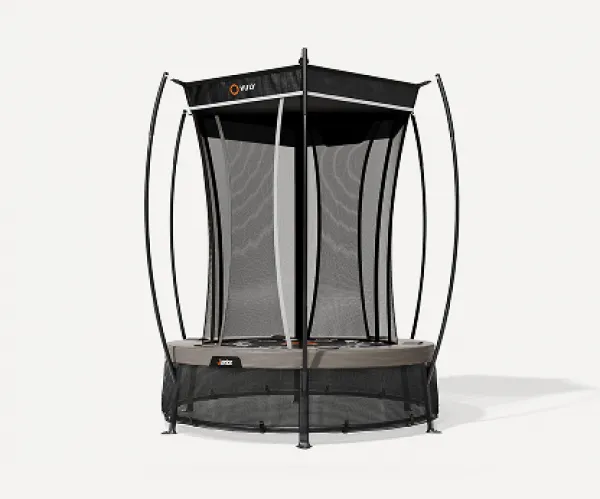
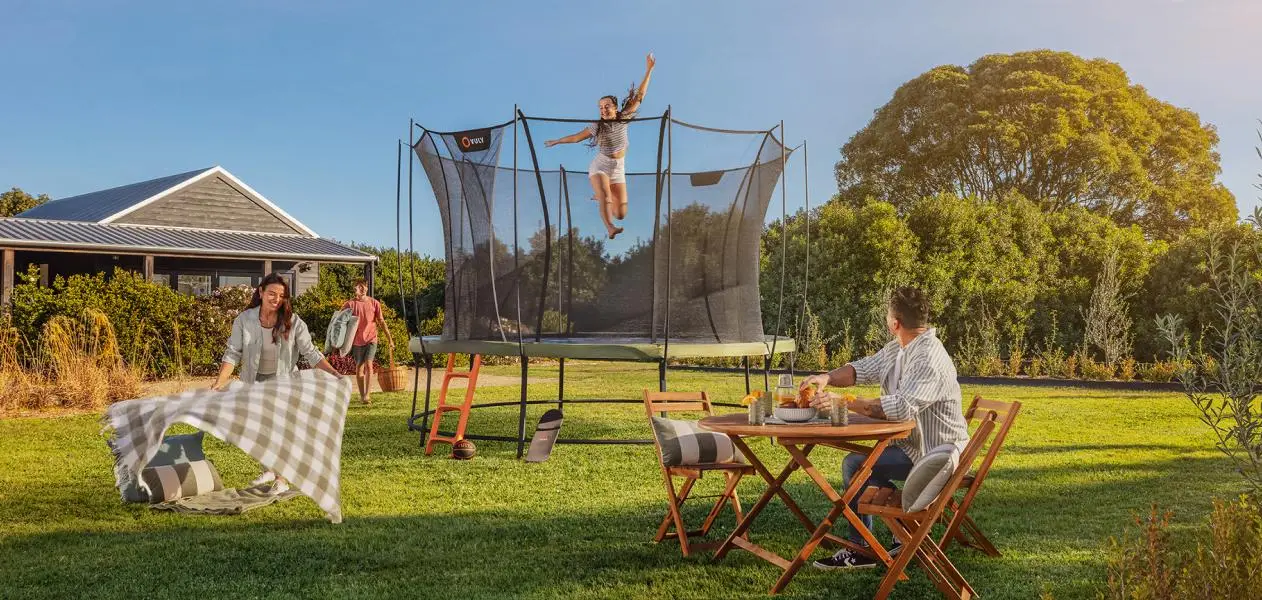
So instead of dumping your budget into a hole, I'd suggest investing that money into a high-end above ground trampoline that looks good and plays well.
If you’re still weighing the differences between inground and above ground trampolines, start there first.
Once you’ve caught up, let’s talk about why digging that hole may not be the best idea.
How Much Does It Cost to Put In an Inground Trampoline?
Way more than the price on the box.
Why is that?
Let's find out together.
Say a good-quality trampoline kit costs $1,500.
Factor in the professional installation of a sunken trampoline, and that’ll set you back another $1,000 to $3,500.
Mind you, this is a conservative estimate based on industry data from Boston Landscape Co.
What I’m saying is…
You're not just paying for a trampoline.
At the end of the day, what you're really paying for is a specialized crew to manage a multi-stage building project that involves:
-
Permits and HOA Approvals
- First things first, check with your local authorities and Homeowners Association (HOA) to see if building permits or architectural reviews are needed.
- A permanent pit may fall under specific zoning or land-use categories.
- The bureaucracy involved can add hundreds of dollars in fees and weeks of delays.
-
Excavation
- Digging a 14-foot pit requires heavy machinery and skilled labor to avoid hitting gas or water lines.
-
Soil Removal
- Hauling away the tons of dirt can cost $500 to $1,500 in disposal fees.
-
Retaining Walls
- A necessary $2,000+ investment to keep your yard from collapsing into the pit.
-
Drainage Systems
- A proper drainage solution prevents the pit from turning into a mosquito-breeding pond after heavy rainfall and a new home for not-so-fun little critters.
- This can cost thousands for yard-wide integration.
-
Landscaping Restoration
- Consider the cost of new sod and potentially repairing irrigation lines that were cut during the job.
Disclaimer: These figures are based on 2026 market research and national averages. Final pricing depends on your specific zip code, HOA requirements, and yard accessibility.
But guess what?
You can straight-up bypass these sunk costs and legal hurdles if you choose an above ground trampoline instead.
Why I Say an Above Ground Trampoline is the Smarter Property Investment
For starters, you won't have to write a $5,000 check.
You also won’t be married to a hole in the ground.
That's because maintaining an inground trampoline is a never-ending chore.
You’re essentially a full-time janitor for a dark pit, fishing out soggy leaves and praying the drainage pump doesn't die during a thunderstorm.
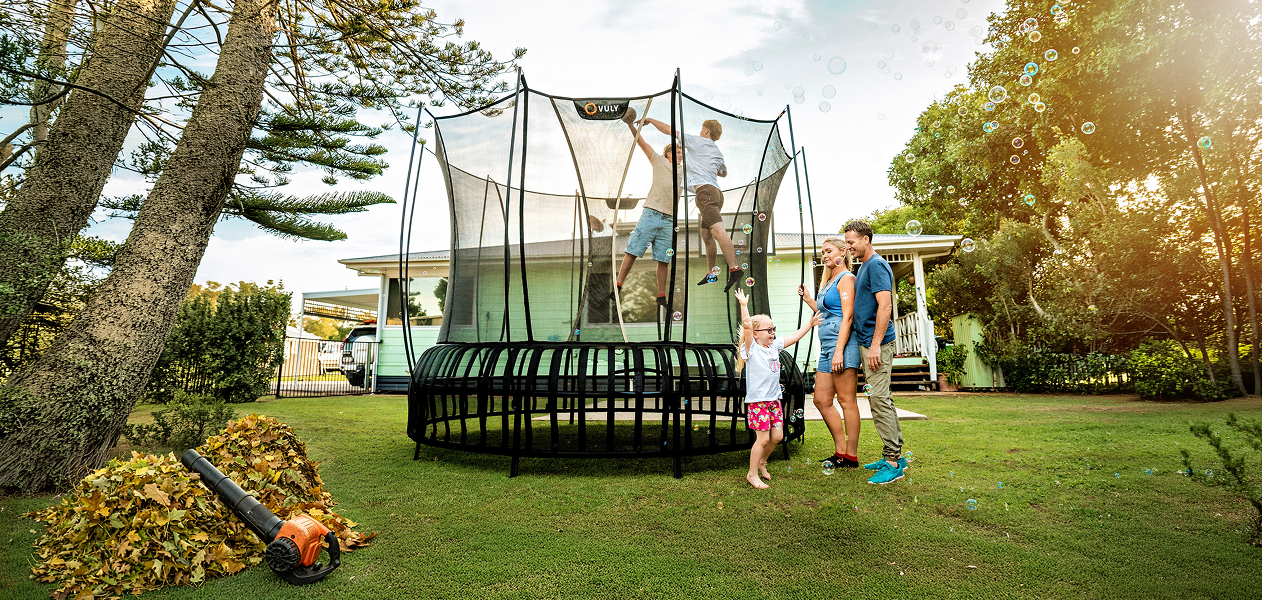
In contrast, the maintenance for a springless trampoline can be as easy as a leaf blower for 30 seconds and a quick mow around the legs.
Another important question to think about is how long you’re going to live with that decision.
Ideally, families would like to stay in one home forever.
However, the US housing market has changed significantly in recent years.
Homeowners today move much more frequently.
"The tenure of homeownership before making a sale varied significantly by generation. While the median among all buyers was a 10-year stay before selling, older millennials typically sold their homes after just 6 years."
"Homeowners who sold in the first quarter of 2026 had owned their homes for an average of 8.44 years."
An inground trampoline may become a liability during a home sale.
Prospective buyers see that massive crater as a safety hazard or a bill waiting to happen.
On the other hand, well-made above ground trampolines hold their value.
Trampolines from established brands like Vuly Play can stand up to regular bouncing and the elements, with double-galvanized and powder-coated materials keeping them safe from rust and damage.
These bad boys are made for more than just a season or two.
We're talking years.
If you ever move, the trampoline can be disassembled and go with you.
And when your kids eventually outgrow it (if they can), you’ll still have a presentable lawn to show for it.
You can also consider finding the trampoline a new home with another young family to pass on the fun while recouping some of your money.
Try doing that with a $5,000 hole in the ground.
So stop overcomplicating your backyard and start building a play space your kids and bank account will adore.
Get More Out of Your Yard with Vuly
Head over to our Facebook, Instagram, and TikTok to see how other families are enjoying their Vuly outdoor play equipment.