

















Winter in Australia: Cold Days, Warm Family Memories
"Shut the door! You're letting all the cold air in!"
Sound familiar?
Remember those chilly winter mornings when getting out of bed felt like the hardest thing in the world?
Mum was telling everyone to put on a jumper. Dad was making a hot cuppa. And somehow, despite the cold, the kids were already asking whether they could go outside.
For some Aussies, winter brings back memories of foggy mornings, rainy afternoons, muddy footy boots and hot chocolate after school.
For others, it's family trips to the snow, camping under the stars or enjoying a sunny afternoon in the backyard.
But here's the interesting part.
When children in America and Europe are enjoying their long summer holidays, Australian families are pulling out their jackets and preparing for the cooler months.
And unlike the snowy Christmas scenes we see in Hollywood movies, Australia's winter arrives in the middle of the year.
From Baby Boomers to Gen X, Millennials and now Gen Z parents, every generation has its own memories of winter.
Some remember neighbourhood games in the cold.
Others remember rainy weekends watching cartoons or playing board games.
And today's children are growing up with a whole new world of digital entertainment.
But even as childhood changes, one thing remains familiar.
Winter isn't just about staying warm. It's about the little moments that bring families closer together.
When Does Winter Start and End in Australia?
Winter in Australia begins on 1 June and ends on 31 August every year. It is the country's coolest season overall, following autumn and arriving before spring.
Australia uses the meteorological calendar, which divides the year into four seasons of three months each.
What happens during Australian winter?
June - The beginning of winter, colder mornings in southern regions, the winter solstice and the start of the snow season
July - Usually one of the coldest months in southern Australia, winter school holidays and family winter activities
August - The final month of winter, with some families enjoying late-season snow trips and preparing for spring
The winter solstice, usually around 21 June, brings the shortest day of the year in Australia.
After that, daylight slowly begins increasing again, even though colder weather may continue through July and August.
And while some countries celebrate Christmas during winter, Australians celebrate Christmas in December, right in the middle of summer.
When is winter in Australia?
Winter begins on 1 June and ends on 31 August. It is generally Australia's coldest season, although temperatures vary significantly between northern and southern regions.
Does it snow during winter in Australia?
Yes. Snow falls in parts of the Australian Alps, particularly in mountainous areas of New South Wales and Victoria. Tasmania and some other elevated areas may also experience snow. Most major Australian cities rarely or never receive snowfall.
Does Winter Feel the Same Across Australia?
Not even close!
Australia is a huge country, and winter can feel completely different depending on where you live.
- Melbourne: Chilly mornings, cloudy skies, rainy days and weekend footy.
- Sydney: Generally mild winters compared with southern inland areas, with cool mornings and plenty of sunny afternoons.
- Canberra: Frosty mornings, cold nights and nearby mountain trips.
- Adelaide: Cool, often wet conditions, with indoor family gatherings and outdoor activities between showers.
- Perth: Generally mild temperatures, with much of the city's annual rain falling during winter.
- Hobart: Cold mornings, short days and occasional snow on nearby kunanyi / Mount Wellington.
- Brisbane: Often mild, sunny winter days with cooler nights.
- Darwin: Winter falls during the dry season, bringing relatively warm days, lower humidity and less rainfall.
And yes, it really does snow in Australia!
The Australian Alps, including destinations in New South Wales and Victoria, offer opportunities for skiing, snowboarding and other snow activities during suitable winter conditions.
But most Australian cities don't experience regular snowfall.
In tropical northern Australia, many communities recognise wet and dry seasons rather than the traditional four-season pattern. Aboriginal and Torres Strait Islander seasonal knowledge also reflects local weather, plants and wildlife
Same winter. Different climates. Plenty of different ways to enjoy it.
Why Is Winter Special in Australian Culture?
Winter in Australia is more than cold weather.
For many families, it's the season of footy, school holidays, snow trips, warm meals and spending time together.
Unlike summer, when beaches and barbies take centre stage, winter can encourage families to enjoy a different pace.
Footy Season — Cold Hands, Warm Pies & Big Family Rivalries
"Go on, kick it!"
If you're part of a footy-loving family, winter can mean weekends cheering from the sidelines or watching a match together.
The AFL and NRL seasons run through the winter months, making football a familiar part of Australian winter culture.
For some families, it's about supporting their favourite team.
For others, it's standing at the local oval watching their children play junior footy.
Cold hands. Muddy boots.
A hot meat pie after the game.
And maybe a little family disagreement over which team is better.
But that's all part of the experience.
Winter footy isn't just about the score.
For many Australians, it's about tradition, teamwork and shared memories.
Winter School Holidays — Two Weeks Without the School Bell
"Are we going somewhere these holidays?"
It's the question many parents hear when winter school holidays are approaching.
Across most Australian states and territories, the mid-year school break generally falls around late June and July, although exact dates differ.
Some families travel to the snow.
Others visit grandparents, take short road trips, explore local attractions or enjoy quieter days at home.
And not every school holiday needs to be packed with activities.
Sometimes, a sleep-in, a warm breakfast and an afternoon playing together are enough.
Winter holidays can be a chance for children to unwind and enjoy experiences outside their usual school routine.
Snow Trips — Yes, Australia Has a Winter Wonderland!
"Wait. Australia has snow? "
Absolutely!
Although much of Australia doesn't receive snowfall, higher mountain areas can experience snowy winters.
For families visiting the Australian Alps, winter might mean building a snowman, trying skiing for the first time or simply enjoying the unusual feeling of snowflakes falling.
And let's be fair. For a child seeing snow for the first time, even making a tiny snowball can feel like a major achievement.
Snow trips offer families a chance to discover a side of Australia that looks very different from its famous beaches.
NAIDOC Week — Celebrating First Nations Culture
NAIDOC Week is generally celebrated during the first full week of July.
It recognises and celebrates the history, cultures and achievements of Aboriginal and Torres Strait Islander peoples.
Across Australia, communities hold cultural activities, exhibitions, performances and educational events.
Families can participate respectfully in local activities and help children learn about the world's oldest continuing living cultures.
It's an important reminder that Australian culture includes many different histories, communities and ways of understanding the land.
Father's Day — Not Quite Winter, But Just Around the Corner
Here's a little Australian calendar fact.
Unlike the United States and United Kingdom, which celebrate Father's Day in June, Australia celebrates Father's Day on the first Sunday in September.
That means it arrives at the beginning of spring, just after winter ends.
Still, the final weeks of winter are often when children start planning their homemade cards, family breakfasts and little surprises for Dad.
And sometimes, the greatest present isn't something expensive.
It's a little time together.
How Has Winter in Australia Changed Across Generations?
Think about how much childhood has changed over the decades.
There was a time when kids couldn't just open an app to find something entertaining.
They had to make their own fun.
Today, digital entertainment is part of everyday life.
But does that mean winter childhood memories are completely different?
Not necessarily.
These are broad cultural examples rather than claims about how everyone in each generation grew up.
Baby Boomers — When a Jumper Was Enough to Keep Playing
For many Baby Boomers, winter childhood memories involved simple neighbourhood activities.
Children might spend their afternoons playing footy, riding bikes or visiting friends.
A chilly day didn't necessarily mean staying indoors.
Sometimes, Mum would tell everyone to put on another layer before heading outside.
And when the sun disappeared?
It was time to come home, get cleaned up and enjoy a warm meal.
For many grandparents today, winter memories aren't about expensive entertainment.
They're about friends, family and making the most of what was available.
Generation X — Muddy Boots & Backyard Adventures
If you grew up during the 1970s or 1980s, winter might remind you of Saturday morning footy, BMX bikes and playing outside whenever the rain stopped.
The backyard could become a football field.
A climbing frame could become a secret fortress.
And a swing set was still worth visiting, even if you needed a jumper first.
Of course, rainy days had their own entertainment.
Cartoons.
Board games.
And the occasional argument about whose turn it was to choose what to watch on TV.
Sometimes, the simplest moments became the strongest childhood memories.
Millennials — From Rainy-Day Cartoons to Family Adventures
Millennials grew up during the transition from traditional outdoor entertainment to video games, home computers and the internet.
Remember spending a rainy Saturday morning watching cartoons?
Then, as soon as the weather cleared, everyone rushed outside.
Today, many Millennials are parents themselves.
And winter gives them a chance to share some of those familiar experiences.
A family board game.
A warm drink after playing outside.
A weekend footy match.
Or a little backyard adventure between rainy spells.
It's not about choosing between technology and outdoor play.
It's about helping children enjoy a little of both.
Generation Z — Bringing Winter Traditions Into a Digital World
For Gen Z parents, winter parenting can look a little different.
Family activity ideas might come from TikTok, Instagram or online parenting communities.
A rainy afternoon might involve a creative indoor challenge.
A sunny winter weekend could become a backyard treasure hunt.
And a family trip to the snow might provide photos and videos that everyone enjoys looking back on.
But the value isn't measured by how many likes a memory gets.
It's about children feeling connected, having fun and discovering new things.
For younger parents, winter can be an opportunity to build family traditions that fit their own lifestyles.
Not every family needs a big holiday.
Sometimes, making hot chocolate together after an afternoon outside is enough.
What Do Australian Families Usually Do During Winter?
Australian families enjoy many different winter activities, including football, snow trips, camping in suitable weather, bushwalks, family movie nights, indoor crafts, visiting local attractions and outdoor backyard games.
For some families, winter is about slowing down.
For others, it's the perfect time to get active without the intense heat of summer.
In warmer northern regions, winter may even be one of the most comfortable times for outdoor adventures.
And while the weather can be unpredictable, having a few activities available at home makes it easier to enjoy the season.
A game of backyard footy. A short obstacle course.
Or simply sitting outside together when the sunshine appears.
Winter doesn't have to mean spending every day indoors.
Is Winter a Good Time for Kids to Play Outside in Australia?
Yes. Children can enjoy outdoor play during Australian winter when weather, temperature and play surfaces are safe. Running, climbing, swinging and imaginative games can support physical activity, coordination, confidence and social interaction throughout the cooler months.
However, winter play should adapt to local conditions.
In southern Australia, that might mean choosing a dry afternoon when temperatures are comfortable.
In northern Australia, the dry season can provide pleasant conditions for outdoor family activities.
Outdoor play doesn't need to last for hours.
Even a shorter session can give children an opportunity to move, explore and enjoy fresh air.
The important thing is keeping activities suitable for their age, ability and weather conditions.
How Can Families Enjoy Backyard Play During Winter?
A backyard doesn't suddenly stop being useful when the temperature drops.
Children can still enjoy jumping, swinging, climbing and imaginative adventures when the equipment is dry, conditions are safe and they have appropriate supervision.
Different play equipment offers different ways to make the most of a winter afternoon.
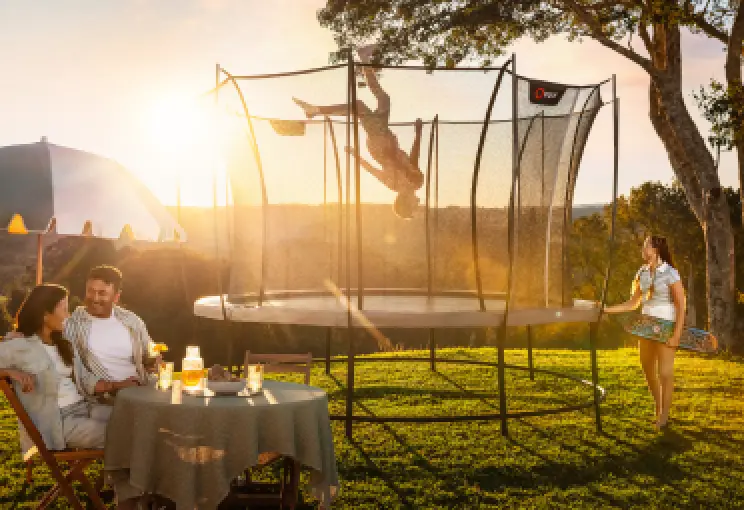
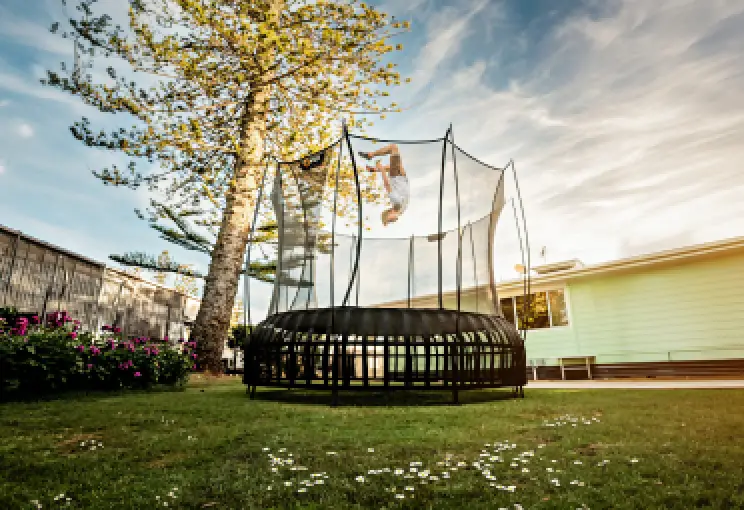
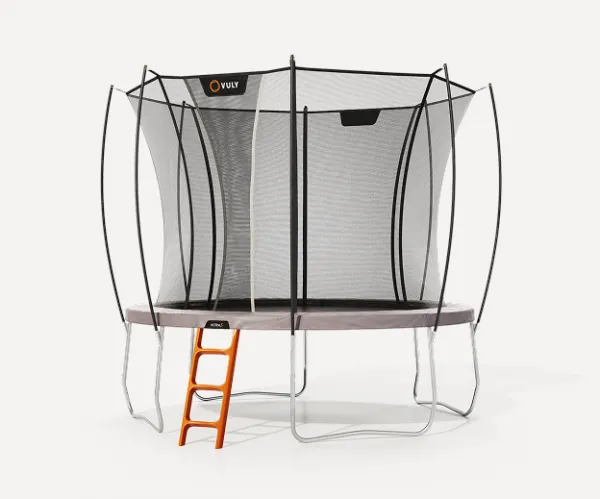
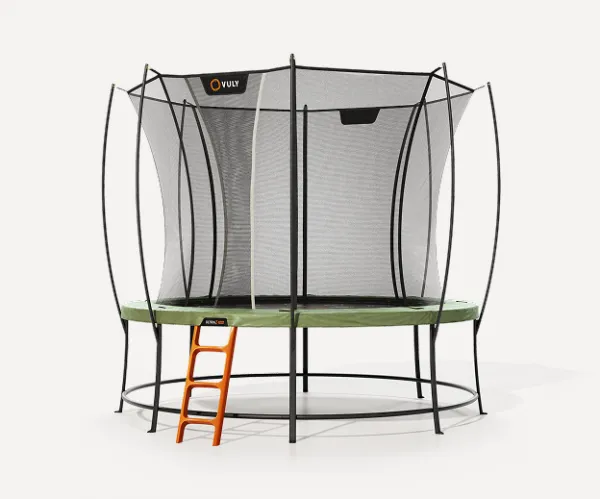
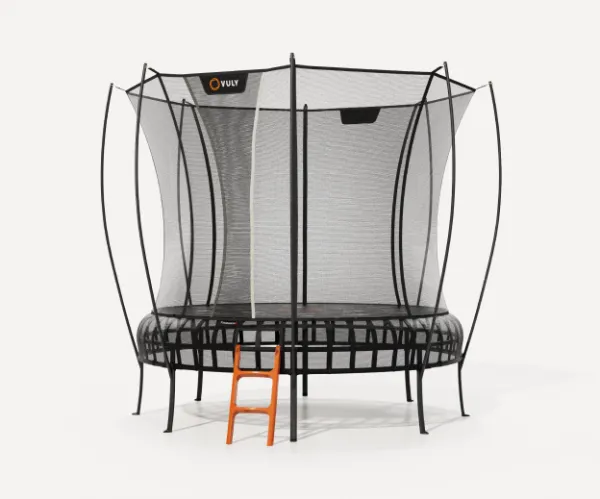
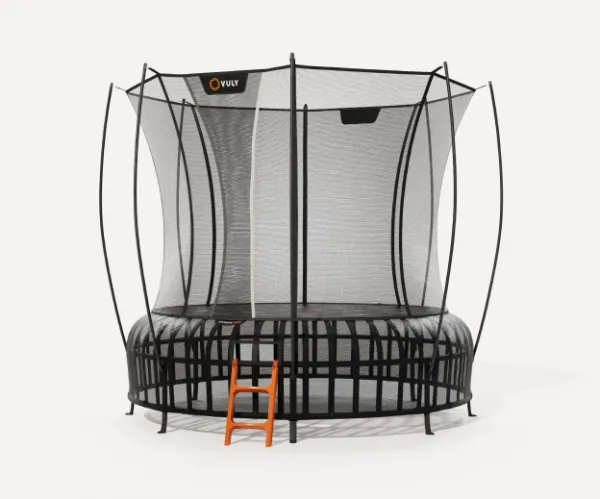
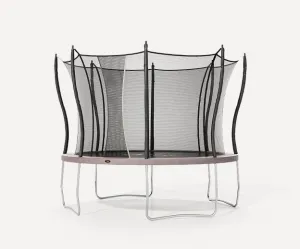
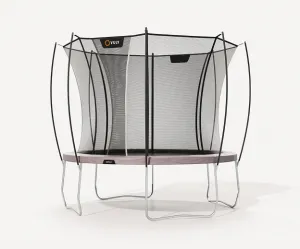
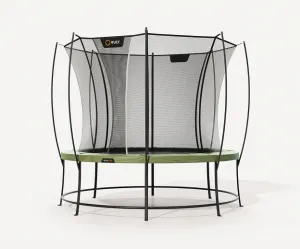
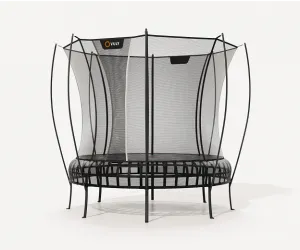
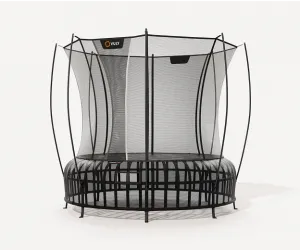
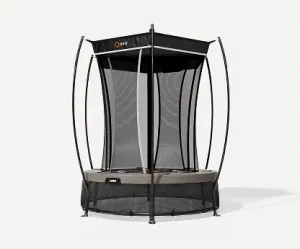
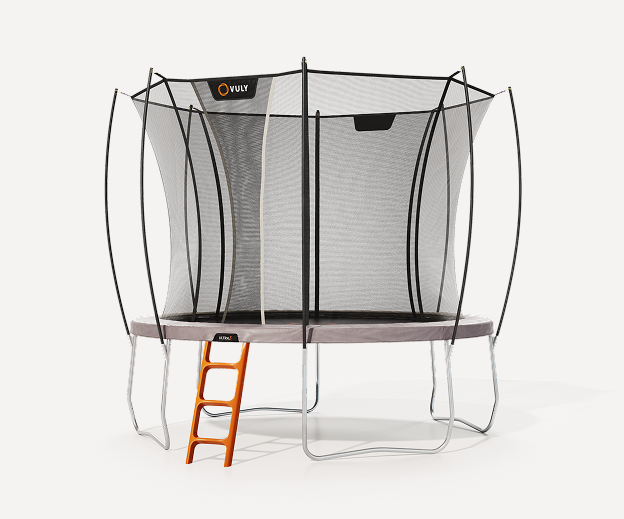
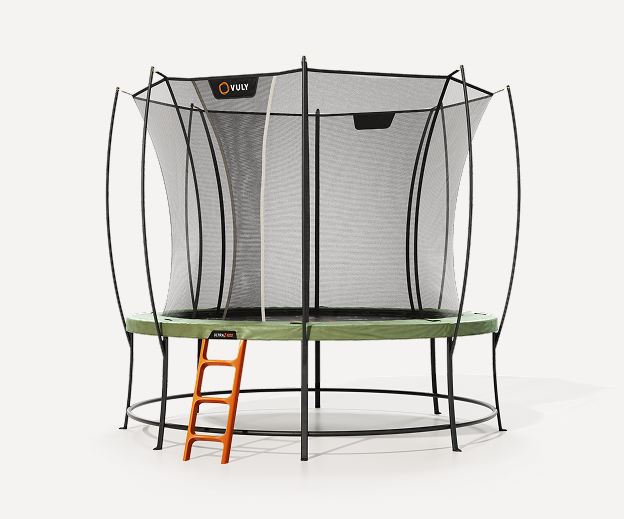
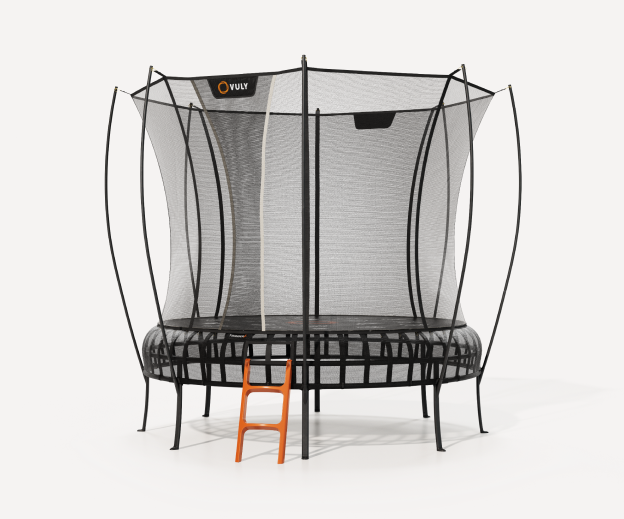
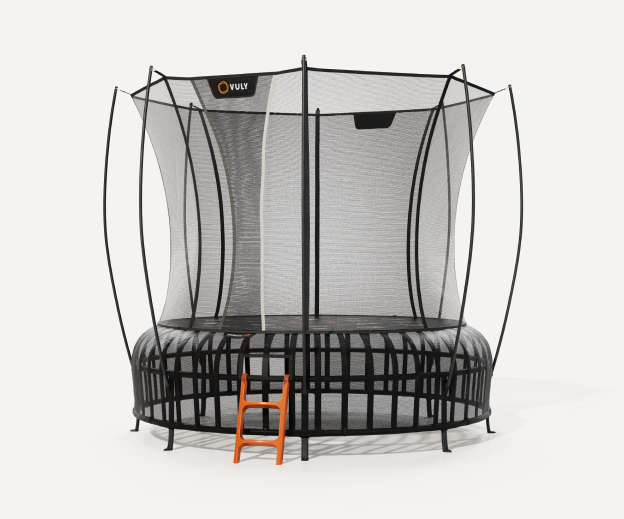
Trampolines — Keep the Fun Going on Cooler Days
"Just five more minutes, Mum!"
Even during winter, jumping can be an exciting way for children to enjoy movement.
A trampoline provides opportunities to practise coordination, body control and balance while enjoying active play.
For families, it can become a familiar part of an after-school routine when the weather is suitable.
Children might enjoy practising simple, age-appropriate jumps or developing confidence through familiar movements.
But winter brings a few extra things to check.
Rain can make trampoline mats slippery, while cold, windy conditions may make outdoor play uncomfortable or unsafe.
Always inspect the equipment, wait until surfaces are completely dry, follow the manufacturer's instructions and allow only one jumper at a time.
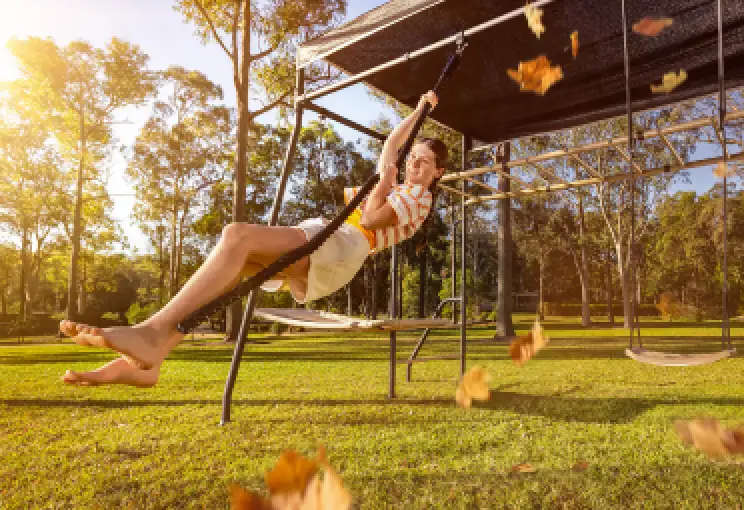
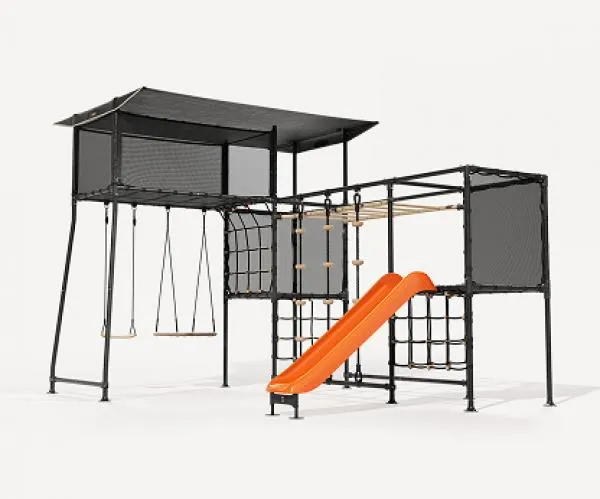
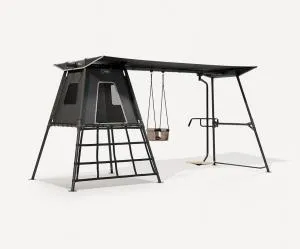
Swing Sets — Small Moments That Warm the Heart
"Can you push me?"
Some questions never go out of style.
Whether it's summer, autumn or winter, children often enjoy the familiar feeling of swinging back and forth.
A swing set can offer opportunities for movement, coordination and shared play.
Imagine a sunny winter afternoon.
The kids are wearing their favourite jumpers.
Dad is giving the swing a gentle push.
And Mum is watching from nearby with a warm cuppa.
Nothing fancy.
Just a little family moment that might become a favourite memory.
During winter, parents should check for slippery seats, wet ground and weather-related wear before use.
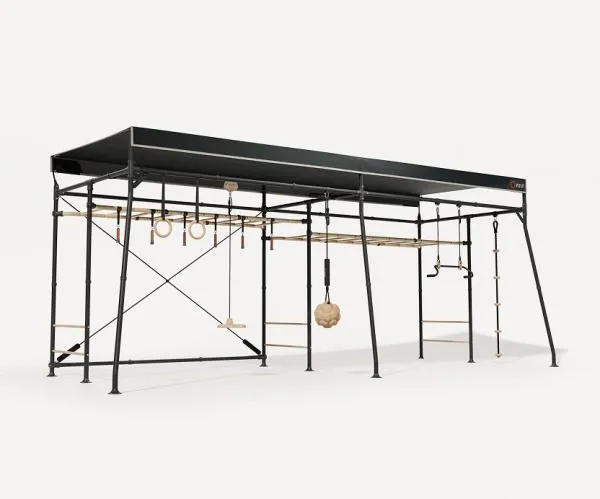
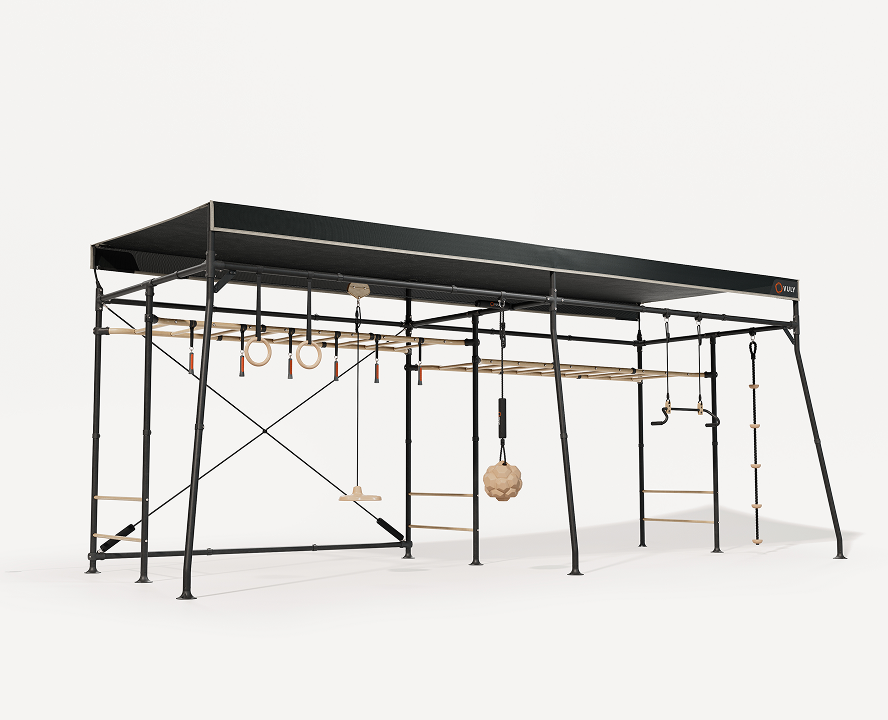
Monkey Bars — Little Challenges for Winter Adventurers
"I bet I can make it across!"
For some children, a little challenge is all they need to get excited about going outside.
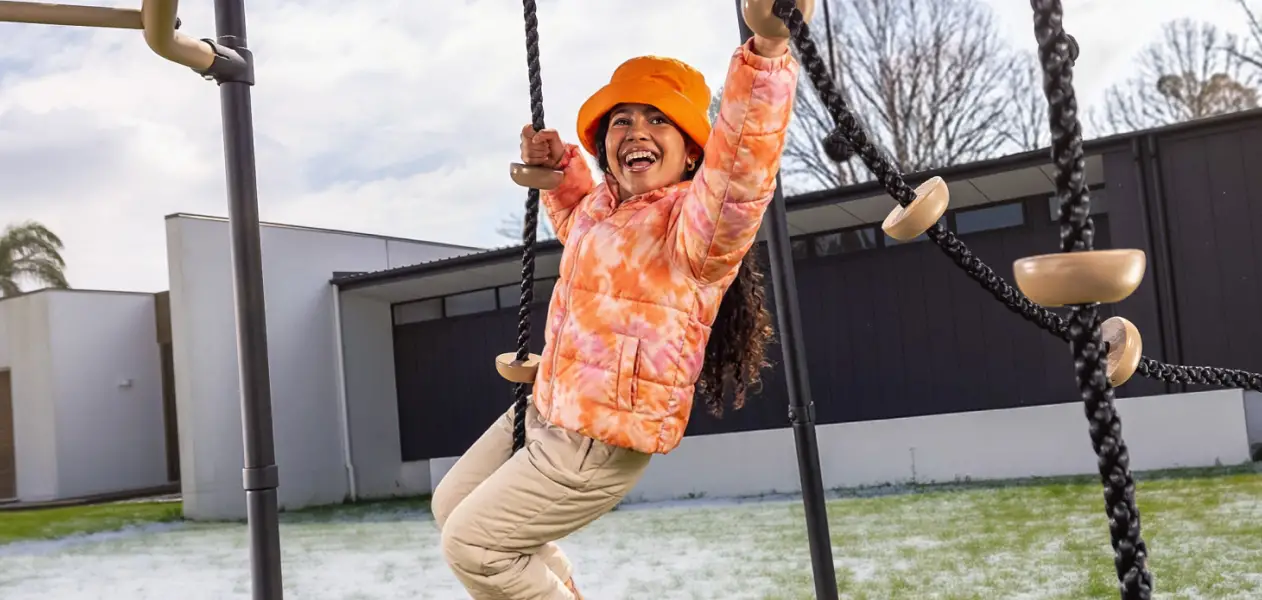
Monkey bars create opportunities to practise reaching, hanging and age-appropriate climbing activities.
These movements can help children develop physical skills and confidence through play.
During winter, children might have time to practise something they've been learning throughout the year.
Maybe they're able to reach the next bar.
Maybe they're getting more comfortable with a particular movement.
Or maybe they're simply enjoying time with their siblings.
The achievement doesn't need to be big.
It just needs to mean something to them.
Parents should ensure the bars are dry and safe to grip, the fall area is suitable, and children have appropriate supervision.
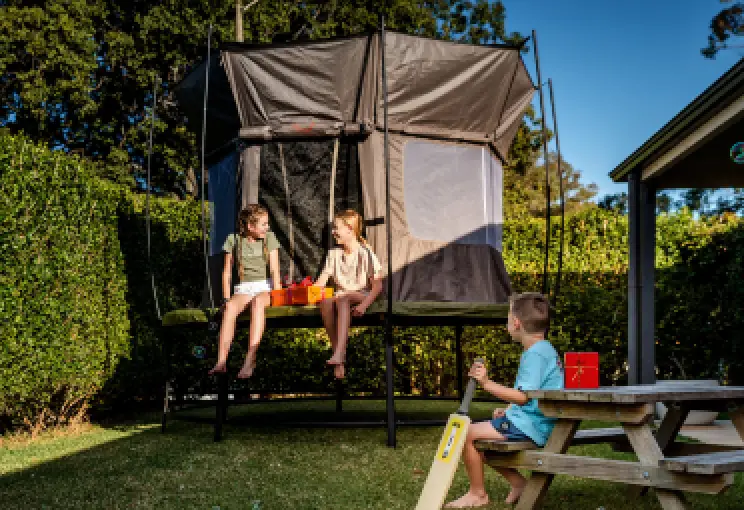
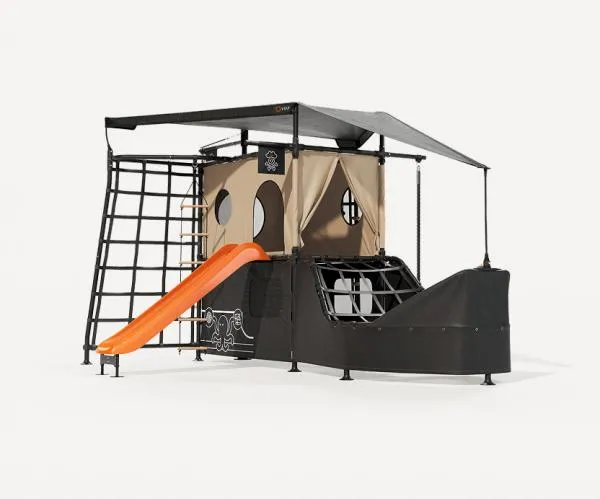
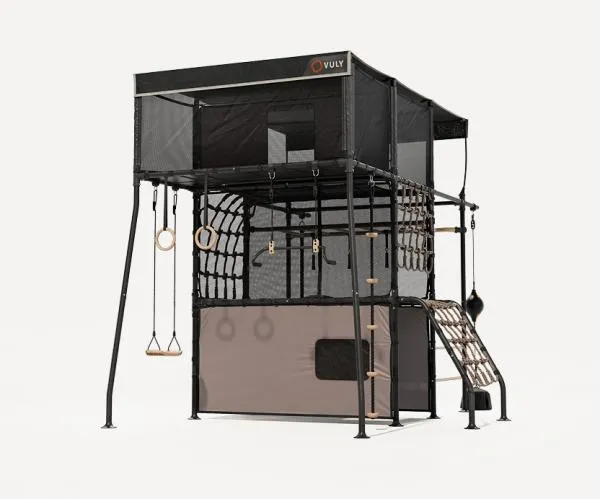
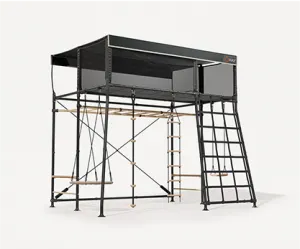
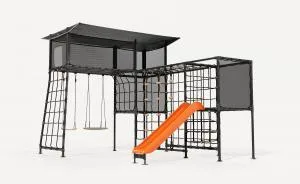
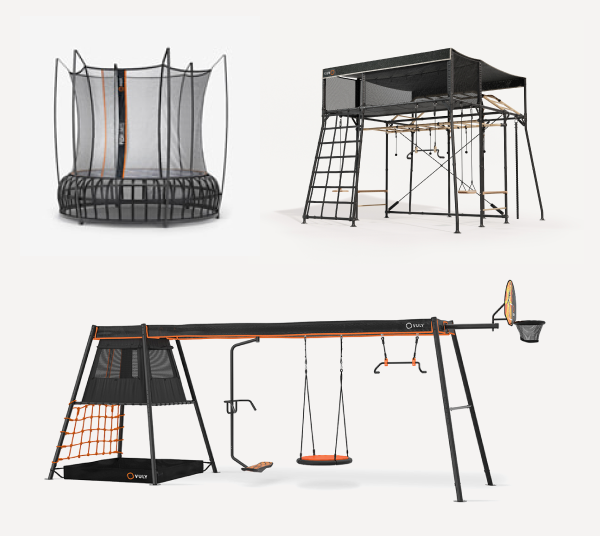
Playsets — Create a Winter Adventure Without Leaving Home
What if your backyard was a winter adventure park?
A playset can give children a setting for imaginative games even when the weather feels a little cooler.
A Treehouse could become a mountain explorer's cabin.
A Pirate Ship might be navigating icy imaginary seas.
And a Climbing Frame could become part of an exciting rescue mission.
For children, imaginative play creates opportunities to practise storytelling, cooperation and problem-solving.
For parents, it's another reminder that children don't always need elaborate plans to have fun.
Sometimes, all it takes is a simple question.
"Where are we adventuring today?"
How Can Australian Parents Keep Backyard Play Safe During Winter?
Winter brings different challenges from summer.
Instead of worrying mainly about hot surfaces, parents may need to watch for rain, slippery equipment, cold winds and shorter daylight hours.
Before outdoor play, a few simple checks can make a difference.
- Check for slippery surfaces: Rain, condensation and frost can make trampolines, swings and climbing equipment unsafe.
- Dress for the weather: Choose comfortable layers that allow movement, and avoid loose scarves or drawstrings that could catch on play equipment.
- Inspect the backyard: Remove fallen branches, check for damaged equipment and make sure play areas are safe.
- Watch for changing weather: Thunderstorms, strong winds and extreme cold are good reasons to head indoors.
- Remember winter sun safety: Check local UV levels. Sun protection is recommended when the UV Index is 3 or higher, which can occur even in winter, particularly in northern Australia.Cancer Council Australia
And when the weather isn't suitable?
There's nothing wrong with spending the afternoon indoors.
Board games, reading, drawing and making up stories can be just as valuable as outdoor adventures.
What Makes Winter in Australia Special for Families?
Think back to your childhood.
Do you remember every cold morning?
Probably not. But perhaps you remember Mum making your favourite hot chocolate.
Dad cheering at a weekend footy match.
Grandma reminding everyone to put on a jumper.
Or the time you and your siblings made up an adventure in the backyard, even though it was freezing outside.
Those are the moments that stay with us.
For Baby Boomers, winter might bring memories of simple neighbourhood games.
For Gen X, it could be muddy footy fields and afternoons spent playing with friends.
Millennials may remember the perfect mix of outdoor fun, cartoons and family time.
And today, Gen Z parents are creating their own winter traditions, combining modern technology with timeless experiences.
A trampoline can become part of a favourite winter afternoon.
A swing set might be where a parent shares a quiet conversation with their child.
Monkey bars can give children an opportunity to celebrate a new achievement.
And a playset can turn an ordinary backyard into a world of imagination.
The seasons change. The weather changes.
And the way children grow up continues to change.
But the joy of spending time together remains.
Because winter in Australia isn't just about cold mornings and shorter days. It's about the people who make even the coldest days feel warm.
Authors Notes:- A little chill won't stop these little legends! As Winter Melts Away, Spring Is Calling
The mornings might be frosty, mate, but there's still plenty of fun to be had when the weather plays nice! Rug up, head outdoors and make the most of those crisp winter days. And here's a little warm-and-fuzzy bonus from me to you use [V U L Y D I G E S T] at checkout for $15 off AUD.
Cold hands, happy hearts and plenty of backyard memories. How good!

About Author
Zach ChongZach helps families make smarter choices when selecting outdoor play equipment and playground solutions for their backyard. Sharing simple tips, practical buying hacks, product comparisons, safety advice, and expert insights on trampolines, monkey bars, swing sets, playsets and accessories, Zach also provides parents with the knowledge they need to save time, make shortcuts, choose confidently, and create a fun, safe, and exciting outdoor space for their children. With a passion for discovering how children play and grow across different playgrounds worldwide, from Asia to Europe to US, Zach brings together ideas, experiences, and inspiration to help families create meaningful moments outdoors.