"Slip, slop, slap!"
If you grew up in Australia, chances are you've heard those three little words more times than you can count.
Remember those summer afternoons when the footpath was too hot for bare feet, the ice blocks melted faster than you could eat them, and Mum kept reminding everyone to put on sunscreen?
The cricket bat came out. Someone fired up the barbie. The backyard became the meeting place for cousins, neighbours and mates.
And if you were lucky, there was a trampoline, a swing set or a cubby house waiting outside.
That was summer. But here's something interesting.
While children in America and Europe often dream of a white Christmas, Aussie kids might be spending Christmas Day in boardies, enjoying a family lunch or playing backyard cricket.
No snowmen. No winter coats. Just sunshine, seafood, pavlova and maybe a cheeky afternoon nap.
From Baby Boomers to Gen X and Millennials, and now Gen Z parents, summer traditions have changed.
But the heart of summer hasn't gone anywhere.
It's still about family, freedom and making memories while the sun is shining.
When Does Summer Start and End in Australia?
Summer in Australia officially runs from 1 December to the last day of February under the meteorological calendar. It follows spring and comes before autumn, making December, January and February the traditional Australian summer months. The Bureau of Meteorology
Unlike the United States, Canada and the United Kingdom, which experience winter during December, Australia celebrates Christmas and New Year's Day in summer.
What happens during summer?
December - School finishes for the year, Christmas celebrations begin, and many families prepare for summer holidays
January - New Year's celebrations, beach trips, backyard barbies, summer school holidays and Australia Day on 26 January
February - Schools have generally reopened, routines return and warm summer afternoons continue
For Australian families, summer is more than a season on the calendar.
It's often the time of year when work slows down, school bags get put away and families have more opportunities to spend time together.
When is summer in Australia?
Summer begins on 1 December and ends on the last day of February. It is Australia's warmest season overall and includes Christmas, New Year's Day and the long summer school holidays.
Why is Christmas celebrated during summer in Australia?
Australia is located in the Southern Hemisphere, where the seasons are opposite to those in Europe and North America. That means Christmas falls during Australian summer rather than winter.
Does Summer Feel the Same Across Australia?
Not quite.
Australia is a massive country, and summer can look different depending on where you live.
- Sydney: Beach visits, coastal walks, outdoor get-togethers and warm afternoons.
- Melbourne: Summer festivals, backyard barbies and changeable weather that can bring hot days followed by cooler conditions.
- Brisbane: Hot, humid afternoons, swimming and tropical-style summer storms.
- Perth: Often hot and dry, with beach trips and evening family activities.
- Adelaide: Warm to very hot days, with plenty of opportunities for outdoor entertaining.
- Hobart: Generally milder summer temperatures than much of mainland Australia.
- Darwin and Cairns: Summer falls within the tropical wet season, which brings humidity, heavy rain and thunderstorms.
In fact, the Australian Bureau of Meteorology explains that northern Australia's wet season broadly overlaps with summer, and monsoon conditions can bring significant rainfall.
The Bureau of Meteorology
That means one family might be enjoying an afternoon at the beach while another is watching a tropical downpour from the verandah.
Same country. Same season. Very different summer experiences.
Why Is Summer So Important to Australian Culture?
Summer holds a special place in Australian culture because it brings together Christmas, New Year's celebrations, long school holidays, outdoor activities and family traditions.
Unlike the cosy winter Christmas shown in many Hollywood films, Australia's holiday season often centres around beaches, backyards, parks and outdoor gatherings.
Christmas in Summer — Where Santa Might Need Sunscreen
Imagine Santa arriving in Australia wearing his big red winter suit.
Poor bloke! While children in colder countries build snowmen, Aussie families might be setting up the backyard table, preparing a Christmas lunch or packing the car for a beach trip.
Traditional Christmas food can include roast meats, seafood, salads, pavlova and fresh summer fruit.
Of course, every family celebrates differently.
But one thing many Australian children look forward to is having their relatives together, especially cousins they haven't seen for months.
And once lunch is finished?
There's often a backyard waiting for another round of fun.
Boxing Day — The Day After Christmas
Boxing Day falls on 26 December, immediately after Christmas.
Although it's often associated with shopping and the Boxing Day sales, it also carries longstanding Australian summer traditions.
For sports fans, the Boxing Day Test cricket match in Melbourne is a major annual event. The Sydney to Hobart Yacht Race also traditionally begins on Boxing Day.
For many families, it's simply another chance to relax, enjoy Christmas leftovers or spend time with loved ones.
New Year's Day — A Fresh Start in the Sunshine
The arrival of January brings a new year, new plans and the middle of Australia's summer holiday period.
Some families head away on holiday. Others enjoy a quieter celebration at home.
It's also a time when parents begin thinking about how to keep the kids entertained before school starts again.
That's when simple backyard activities can make a real difference.
How Has Australian Summer Changed Across Generations?
Summer may follow the same calendar every year, but childhood doesn't stay the same forever.
From the days before colour television became common to today's world of TikTok, smartphones and digital entertainment, Australian families have found different ways to enjoy the warmer months.
These are familiar cultural examples rather than descriptions of every family in a generation.
Baby Boomers — When Summer Was About Simple Pleasures
For many Baby Boomers, childhood summer memories involved the local swimming pool, backyard cricket, playing with neighbourhood friends and long afternoons outside.
Entertainment wasn't always something you bought.
Sometimes it was a cricket bat, a garden hose or a few mates from down the street.
Children made up games, explored their neighbourhoods and came home with stories about their adventures.
And for many grandparents today, those are still the summer memories worth sharing.
Generation X — The Great Australian Backyard Childhood
If you grew up during the 1970s or 1980s, summer might remind you of BMX bikes, backyard swings, cricket, water fights and the sound of the ice cream van.
The neighbourhood could feel like one giant playground.
A swing set wasn't just somewhere to sit.
It was a spaceship, a flying machine or the starting point for an imaginary adventure.
And when someone brought out the garden sprinkler, suddenly everyone wanted to join in.
Millennials — Remember Life Before Smartphones?
Millennials grew up during the transition from outdoor neighbourhood games to home computers, gaming consoles and the internet.
Remember organising a catch-up without a group chat?
Or spending an entire afternoon at a mate's house because there was nothing else on the schedule?
Today, many Millennials are parents themselves.
And summer gives them a chance to recreate some of those memories with their own children.
Not necessarily by banning screens, but by showing kids how enjoyable the world outside can be.
Generation Z — Summer Memories in the Digital Age
For Gen Z parents, family life often exists in two worlds.
There's the online world of TikTok, Instagram, family group chats and parenting tips.
Then there's the real world, where kids still want to run, jump, climb and play.
A backyard picnic might become a cute family video. A pirate-themed birthday party could inspire a week's worth of imaginary adventures.
But beyond the photos and social media posts, the meaningful part is being there.
Gen Z parents can use summer as a chance to make memories in their own way: creative play, simple family challenges, relaxed afternoons and time spent together.
Because children don't need every moment to be picture-perfect.
Sometimes, they just need someone to join the fun.
What Do Australian Families Usually Do During Summer?
Australian summer activities often include swimming, beach outings, camping, road trips, backyard barbecues, cricket, playground visits and spending time with friends and family.
The long summer school holidays, which generally run from December into late January or early February depending on the state, give many children a break from their everyday school routines.
However, not every family needs to travel to enjoy summer. Some of the best experiences happen much closer to home.
A backyard obstacle course, a game of hide-and-seek, a family picnic under the shade or a little imagination can turn an ordinary afternoon into a childhood memory.
And that's where outdoor play becomes part of Australia's summer lifestyle.
Why Is Summer a Great Season for Outdoor Play?
Summer gives Australian children more daylight and opportunities to enjoy outdoor activities during their school holidays. When conditions are safe, outdoor play can help children practise physical skills, build confidence, use their imagination and spend time with family and friends.
But more sunshine doesn't mean children should spend all day outside.
Australian summers can bring intense heat and high UV levels. Choosing cooler times, providing drinking water and taking regular indoor breaks are important parts of summer play.
The goal isn't to keep children busy every minute.
It's to create opportunities for movement, creativity and connection.
How Can Families Make Their Backyard More Fun During Summer?
Every family has a different backyard.
Some have a large grassy space. Others have a smaller suburban yard with just enough room for a few favourite activities.
The best outdoor play isn't necessarily about having the biggest space.
It's about helping children discover what they enjoy.
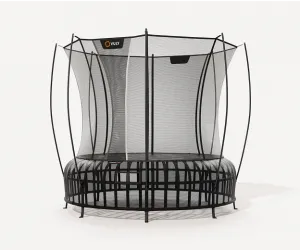
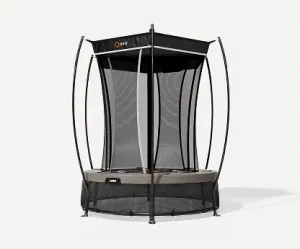
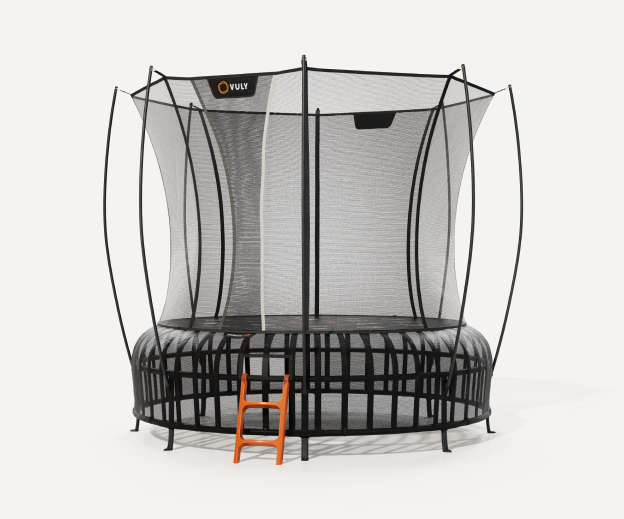
Trampolines — Jump Into Summer Adventures
"Watch me, Mum!"
How many times have parents heard that before?
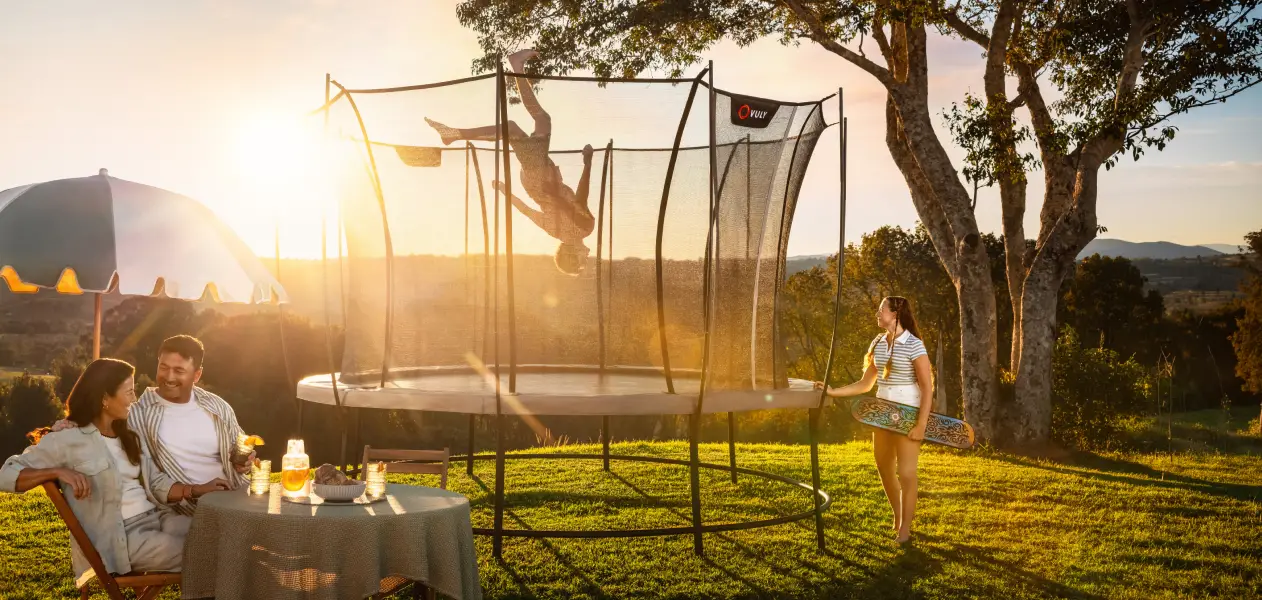
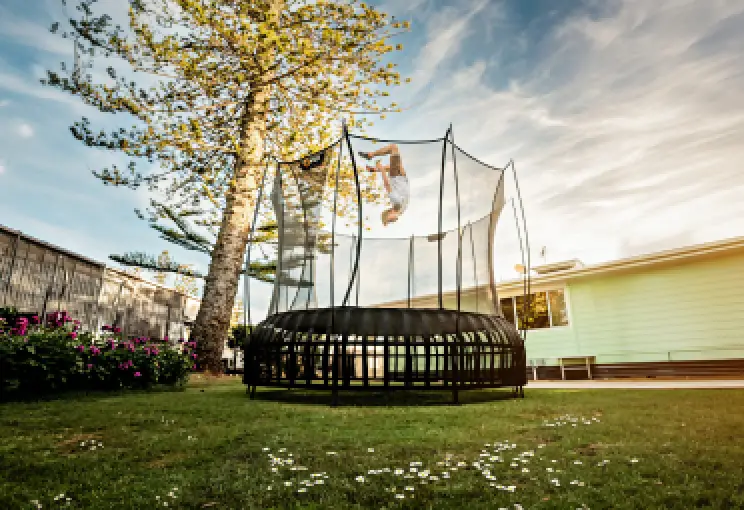
Trampolines can turn an ordinary afternoon into a chance for children to practise movement and enjoy active play.
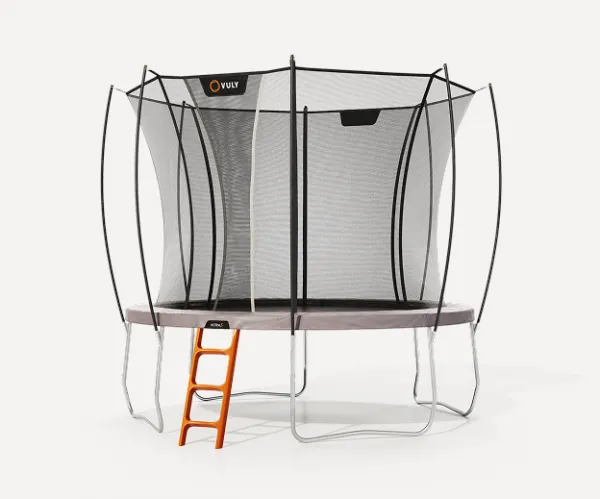
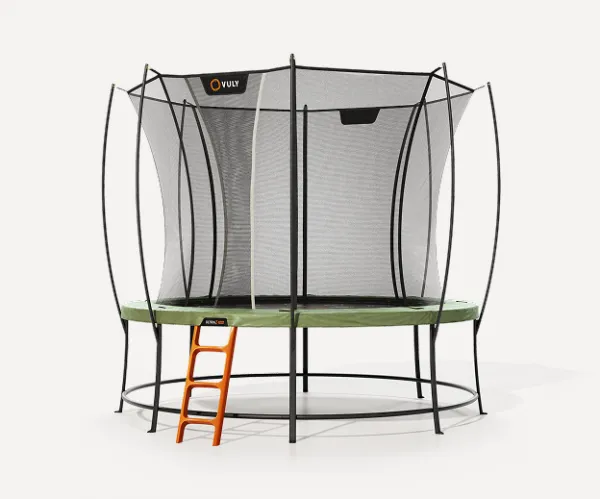
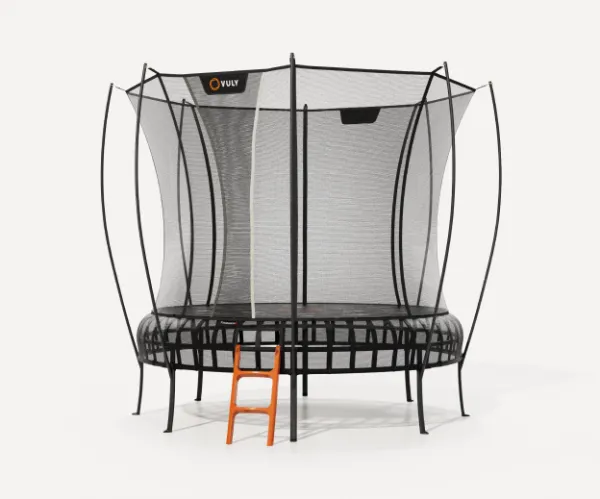
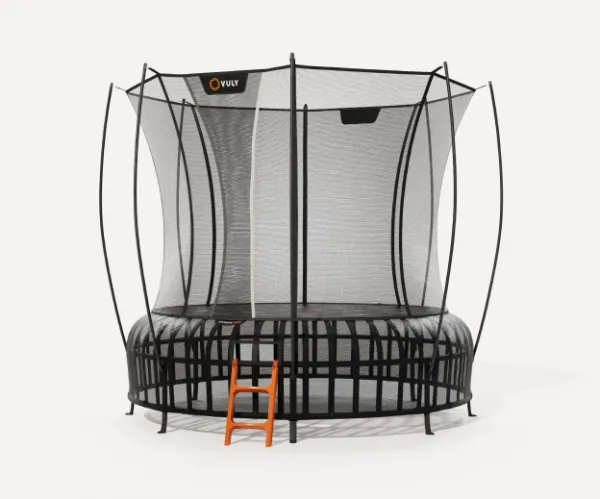
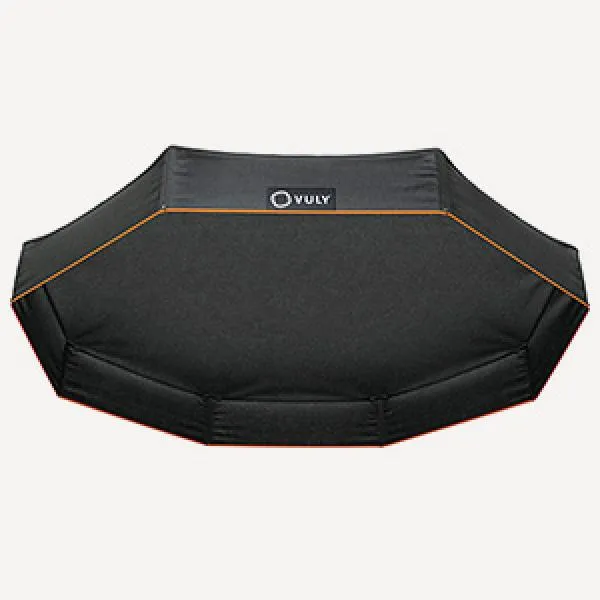
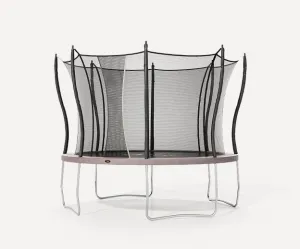
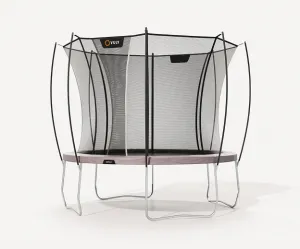
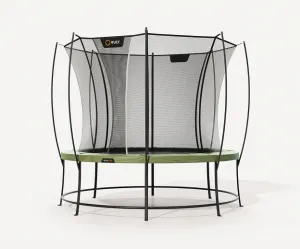
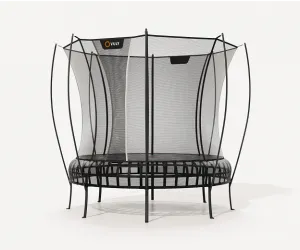
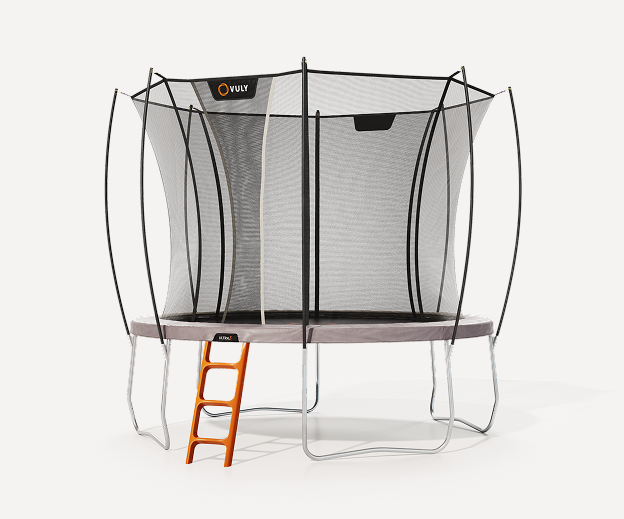
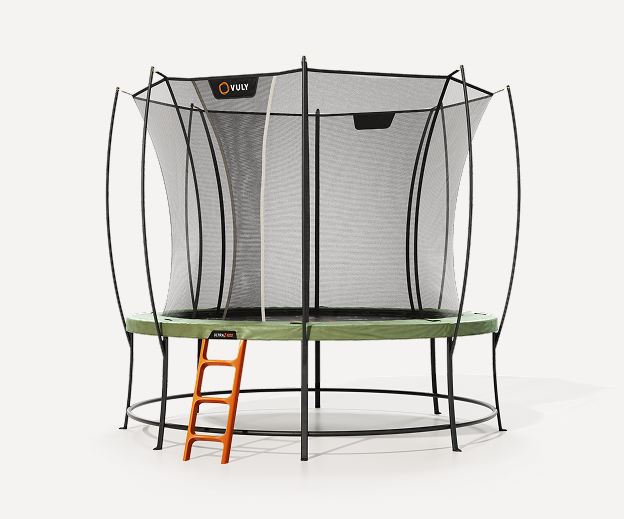
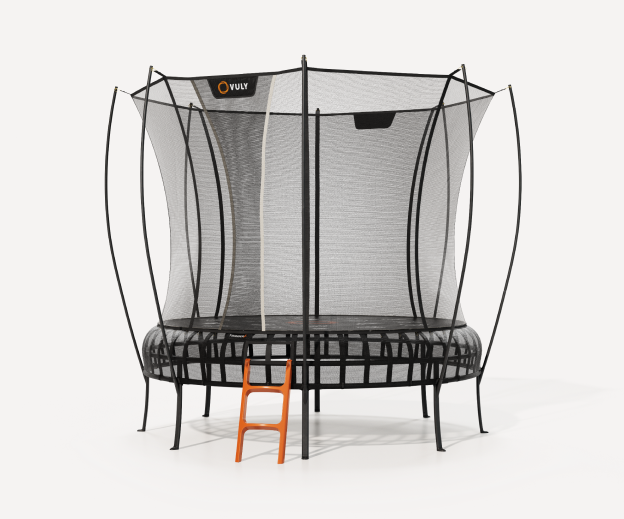
A Vuly trampoline creates opportunities for jumping, developing coordination and setting personal challenges.
For many families, it becomes part of the backyard routine during school holidays.
One day, children are excited about practising a new movement. The next, they're telling their parents about a little achievement they made.
During summer, however, trampoline surfaces and surrounding parts can become extremely hot.
Check them before use, follow all safety instructions and choose cooler times of day. Only one child should jump at a time.
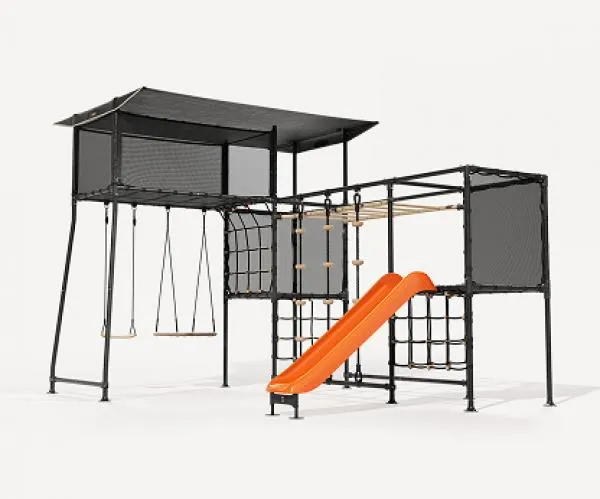
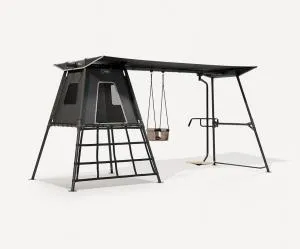
Swing Sets — Bring Back the Classic Aussie Summer
"Push me higher!"
It's a line that seems to travel from one generation to the next.
From grandparents who remember swinging at the local park to children enjoying their first backyard swing, the experience has remained a childhood favourite.
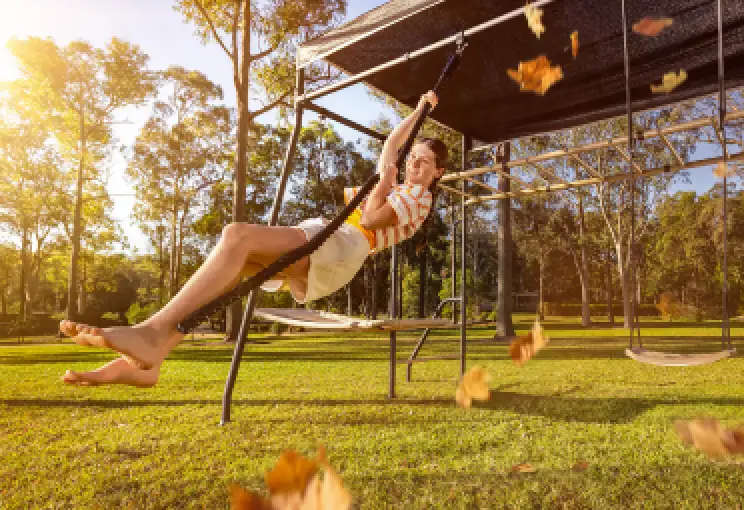
A swing set can encourage movement, coordination and shared play.
For siblings, it can also become an opportunity to practise taking turns.
During summer, a swing set gives families another way to spend time outside when the weather is suitable.
And sometimes, the happiest memories are the simplest ones.
A parent giving a gentle push.
A child laughing. Another child asking for their turn.
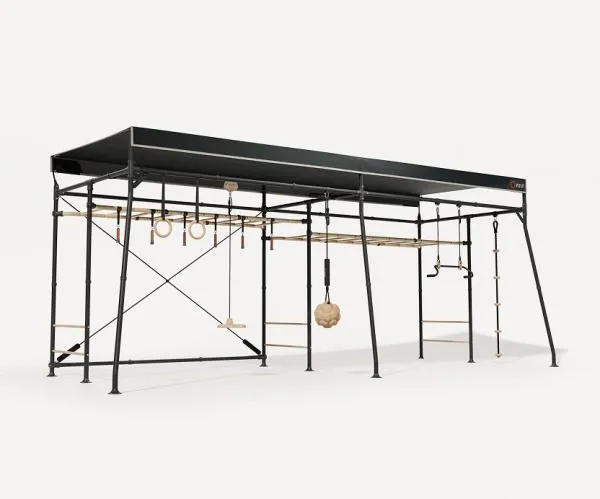
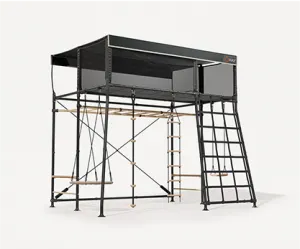
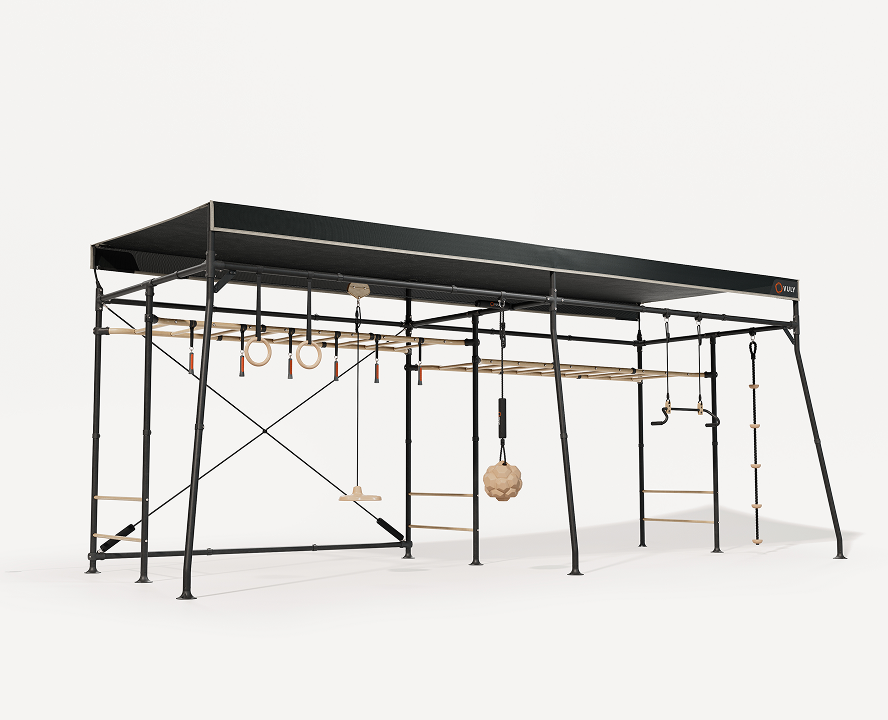
Monkey Bars — Summer Challenges for Little Adventurers
"I reckon I can make it to the other side!"
Summer holidays give children time to explore new interests and practise skills without rushing off to school every morning.
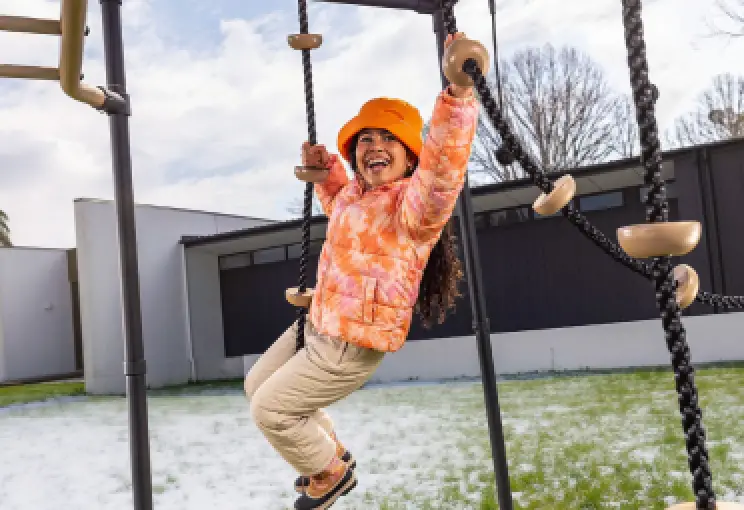
Monkey bars offer climbing, hanging and reaching challenges that can help children develop strength, coordination and confidence.
For some kids, the achievement might be holding on for a little longer.
For others, it might be moving from one bar to the next.
The goal isn't to turn playtime into a competition.
It's to give children a chance to try, learn and enjoy their own progress.
Use suitable fall protection, age-appropriate equipment and supervision, particularly when surfaces are hot or slippery.
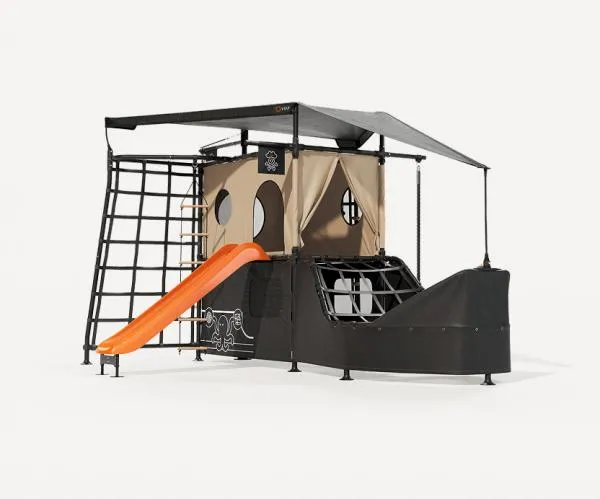
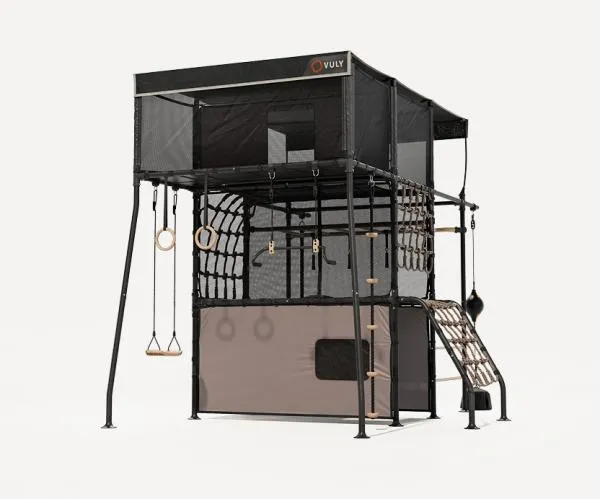
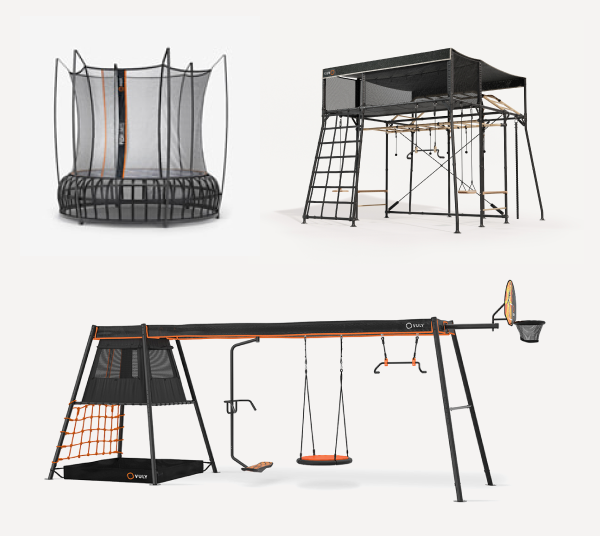
Playsets — Make Every Summer Day a New Story
"Ahoy, matey! Treasure ahead!"
Who says you need to visit a theme park to enjoy an adventure?
A backyard can become almost anything when children are given the space to imagine.
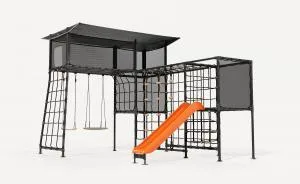
With outdoor playsets, ordinary afternoons can turn into stories.
A Pirate Ship might become a vessel sailing across the seven seas.
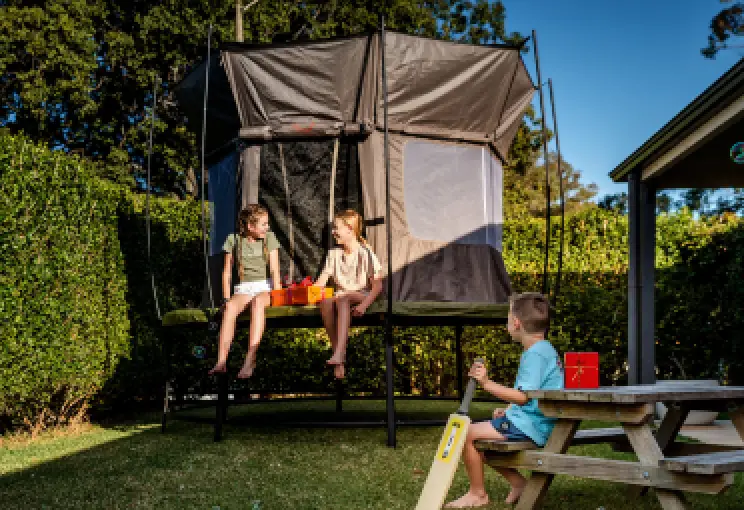
A Treehouse could become a secret summer hideout.
And a Climbing Frame might become a mountain expedition.
These stories give children opportunities to practise imaginative play, problem-solving and working together.
For parents, it's a reminder that sometimes the greatest childhood adventures begin with a simple question.
"What shall we pretend to be today?"
How Can Australian Families Stay Safe During Summer Outdoor Play?
Summer can bring beautiful sunny days, but Australian conditions also demand a little extra care.
According to Cancer Council Australia, sun protection is recommended whenever the UV Index is 3 or above, including on cloudy days.
Before heading outside, parents can make summer play more comfortable by keeping a few things in mind.
-
Check the UV Index: Choose cooler periods for active outdoor play and avoid peak UV exposure.
-
Keep water nearby: Encourage children to drink regularly, even when they aren't feeling thirsty.
-
Look for shade: A shady rest area provides somewhere to cool down.
-
Check equipment surfaces: Trampoline mats, slides, metal bars and swings can become dangerously hot in direct sunshine.
-
Watch the weather: Head indoors during thunderstorms, strong winds or extreme heat.
-
Give everyone a break: Summer fun doesn't need to mean playing outside all day.
Even during school holidays, there's nothing wrong with an afternoon spent reading, drawing or relaxing indoors when the weather gets too hot.
What Makes Summer in Australia Special for Families?
Think back to your favourite childhood summer.
Do you remember the weather?
Maybe.
Do you remember every toy you owned?
Probably not.
But you might remember the cousin who visited every Christmas, the afternoon Dad taught you to play cricket or the time you and your mates invented an entire adventure in the backyard.
And that's what makes summer special.
Baby Boomers had their neighbourhood games.
Gen X had backyard cricket and BMX adventures.
Millennials grew up somewhere between outdoor play and the digital world.
Today, Gen Z parents are creating another chapter, blending modern family life with timeless childhood experiences.
A trampoline might provide the setting for a favourite holiday memory.
A swing set might become the place where a parent and child share a little conversation.
Monkey bars can be where a child learns that practice and patience matter.
And a backyard playset might become the imaginary world everyone remembers years later.
Because the best part of an Australian summer isn't how hot the weather gets. It's the people, laughter and little moments that make the season worth remembering.
Authors notes:-
Summer Turns to Autumn, Memories Keep Growing
☀️ Sun's out, fun's out, legends! 🦘
Long sunny days, backyard giggles and little tackers running wild, that's what summer's all about!
Got your eye on something to keep the fam bouncing all summer long?
Here's a little bonus from me to you. Use code [V U L Y D I G E S T] at checkout for $15 off AUD.
More sunshine, more play, happy days!