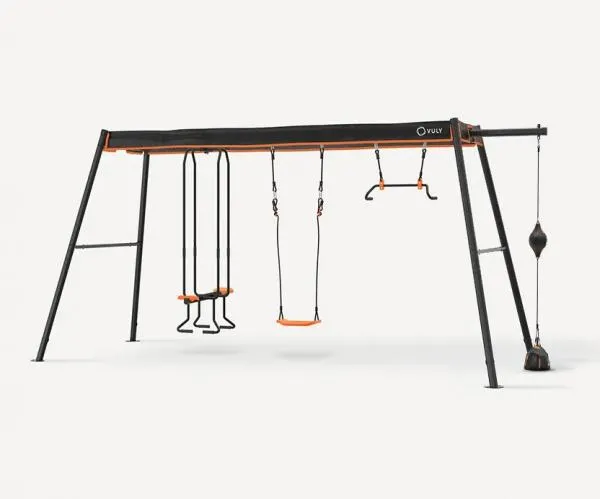
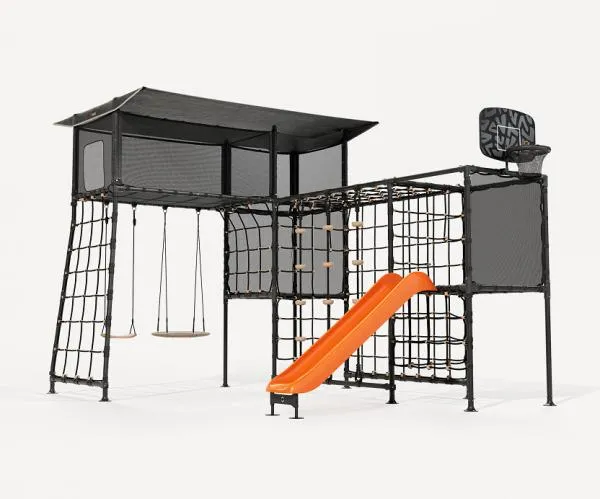
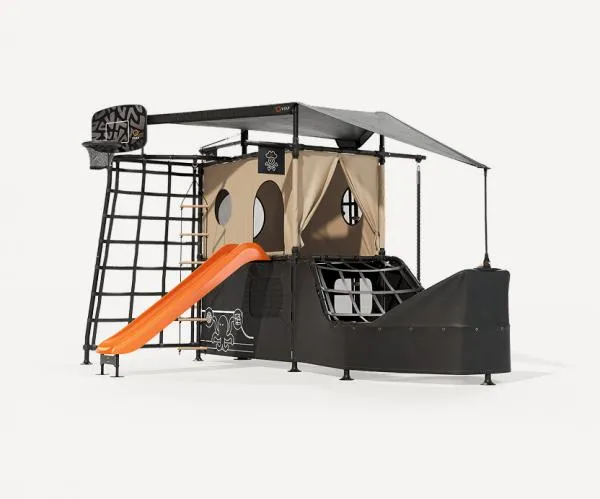
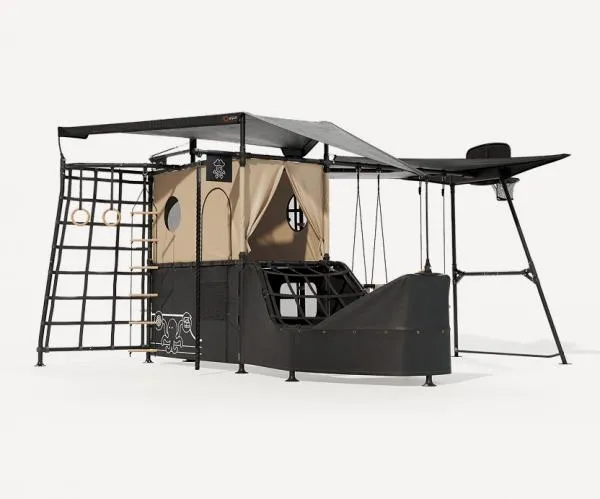
Backyard play has become pretty fancy.
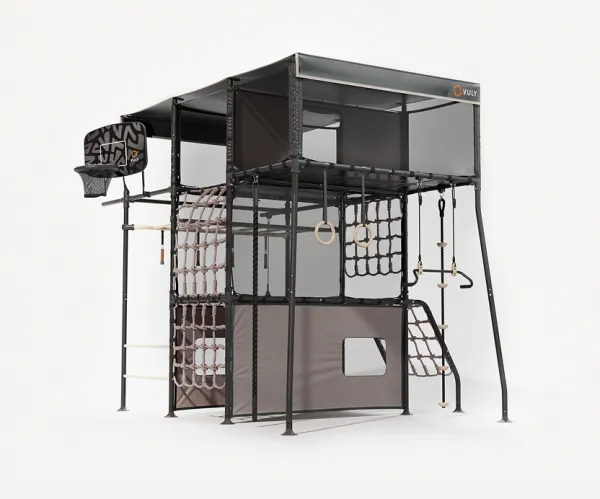
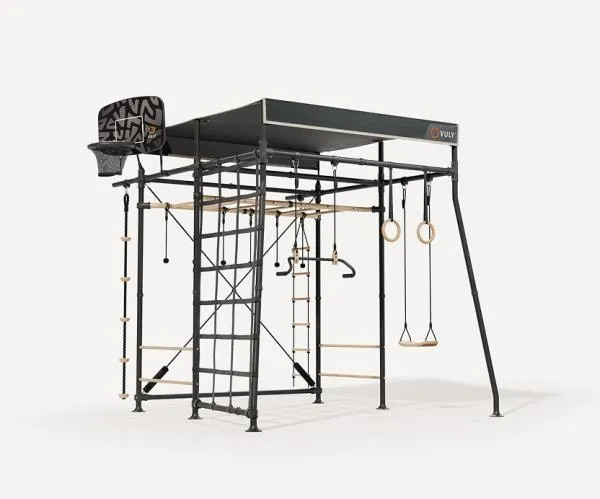
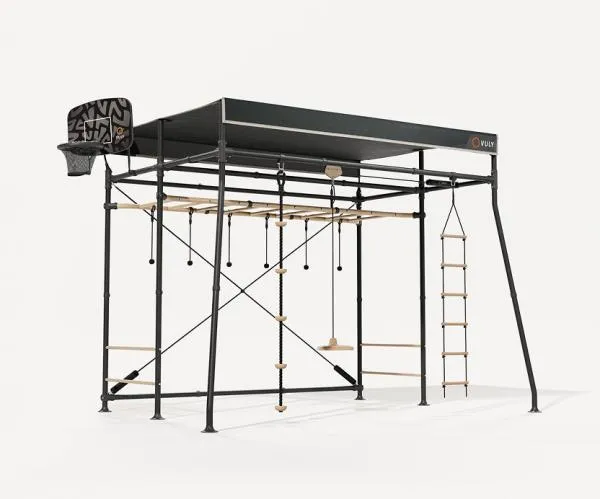
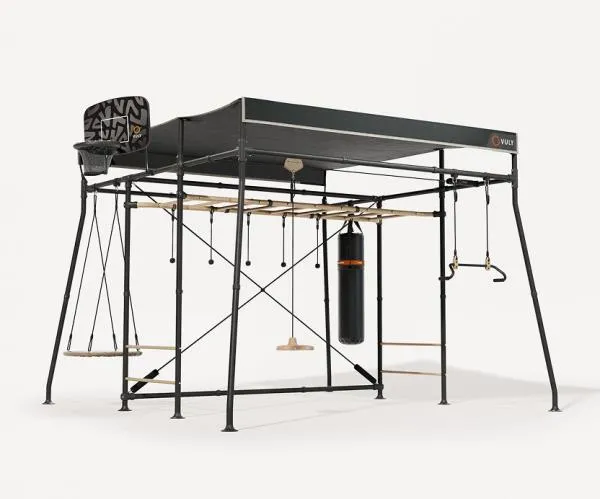
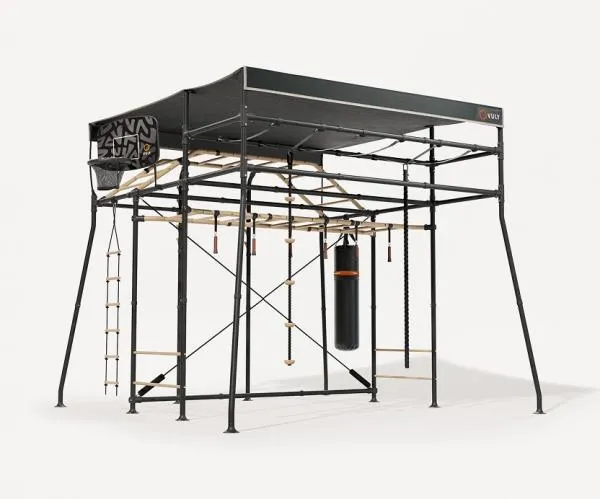
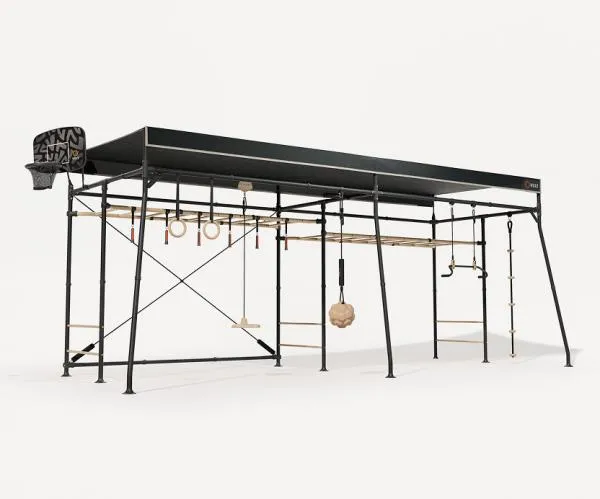
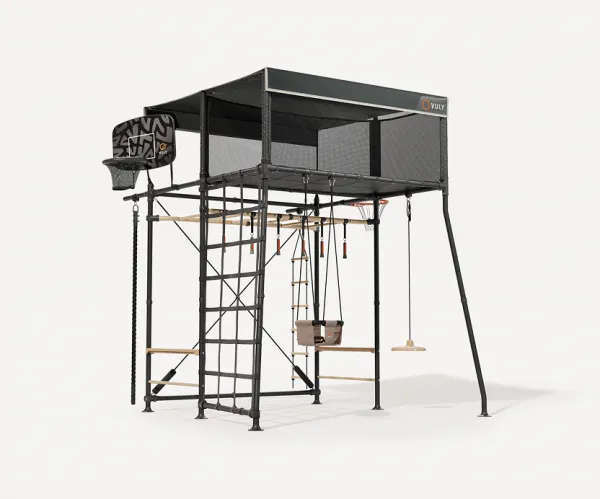
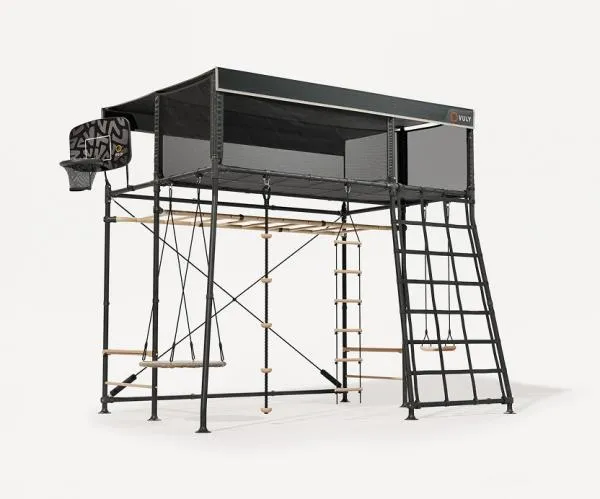
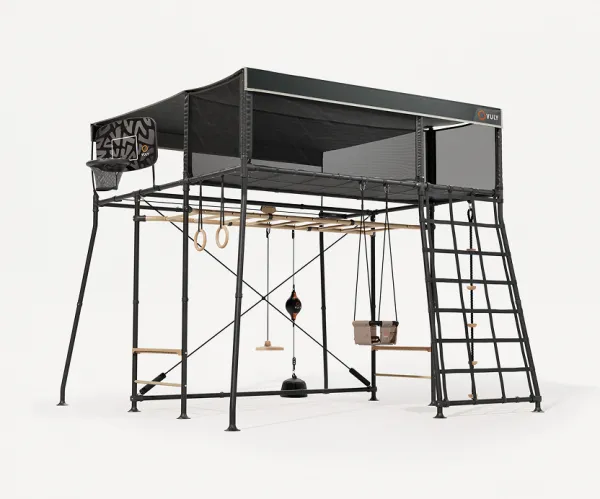
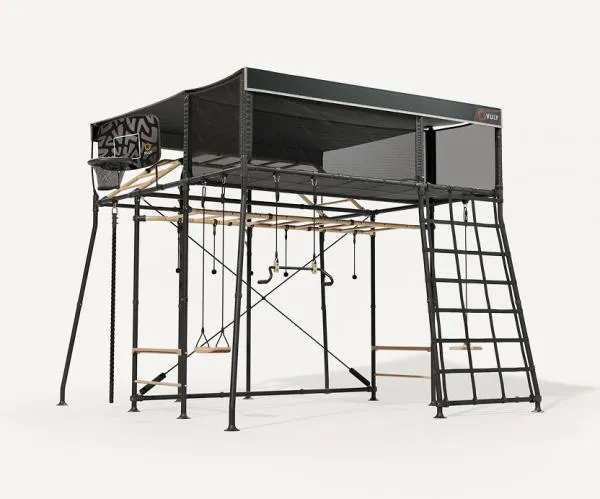
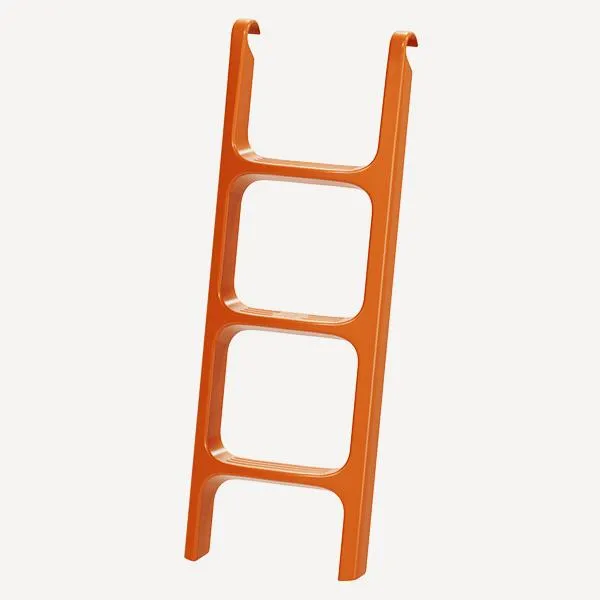
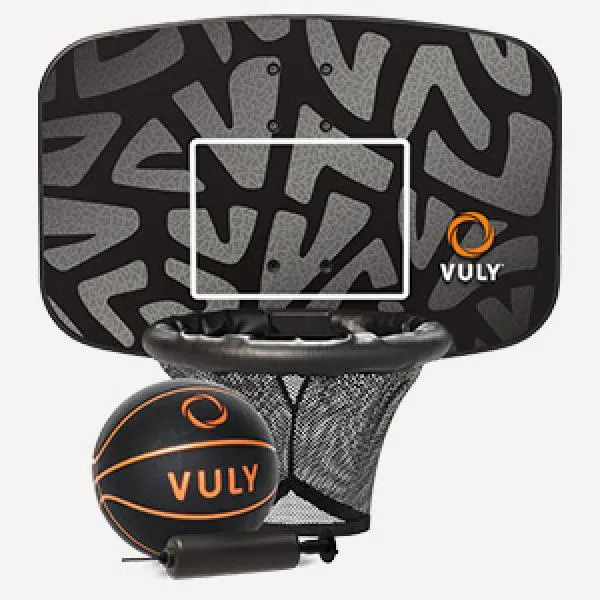
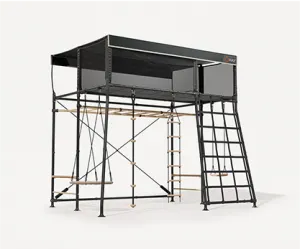
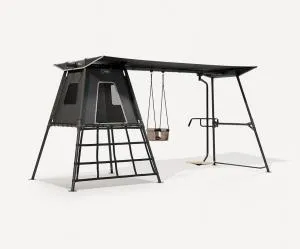
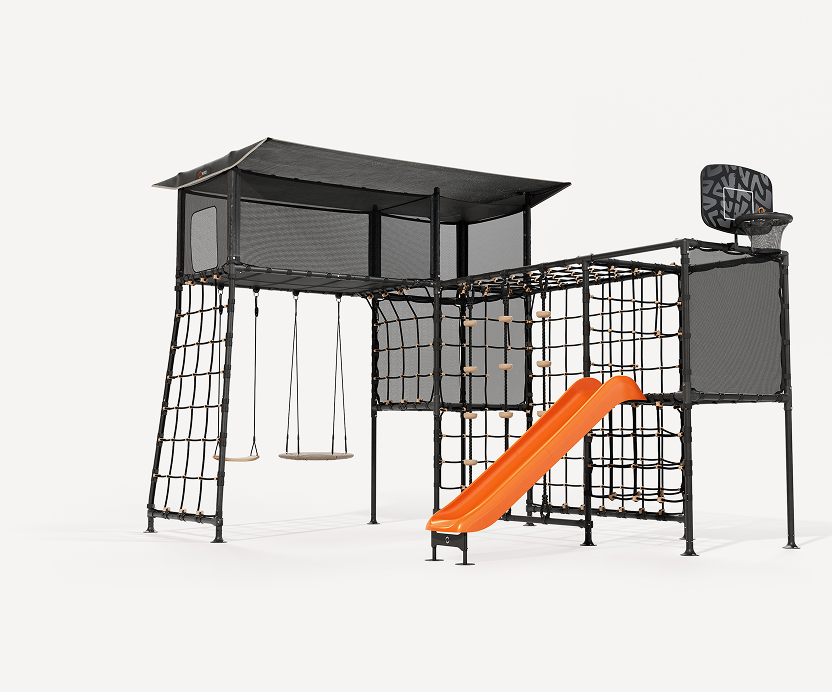
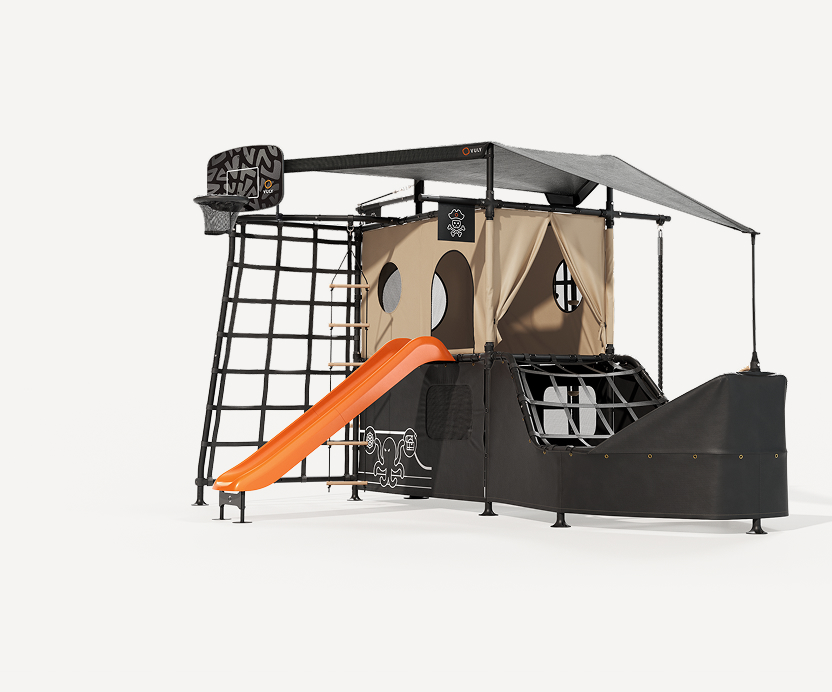
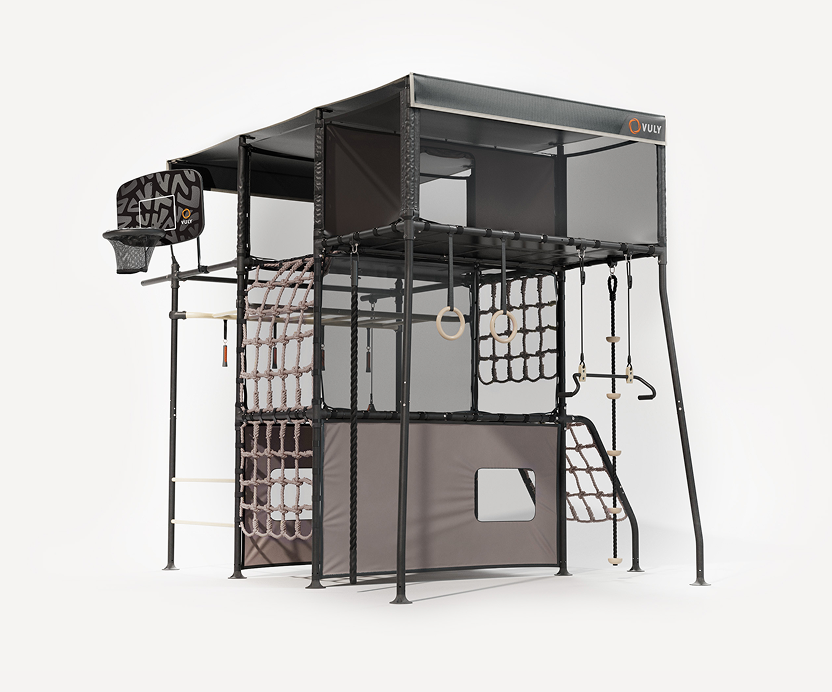
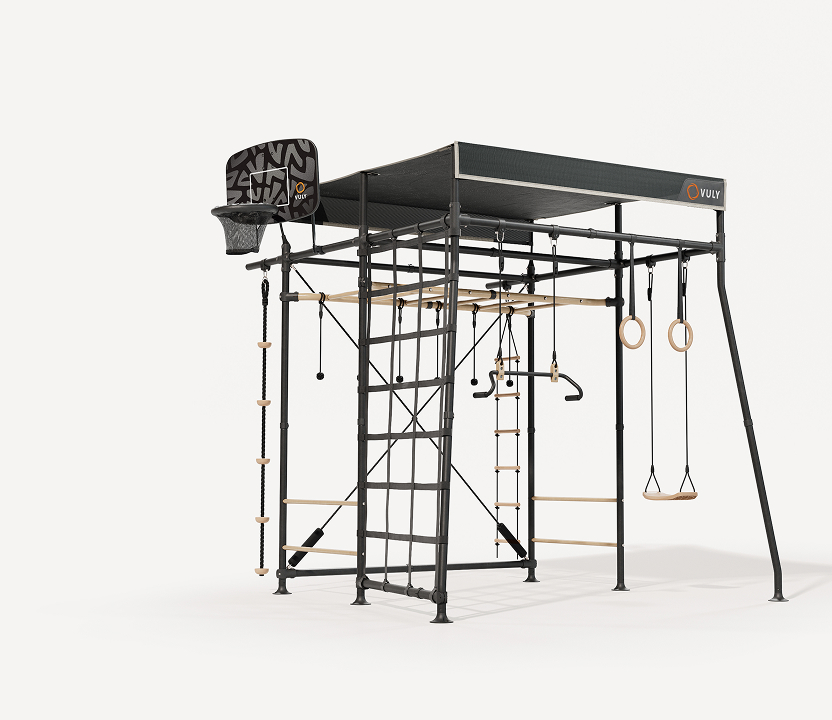
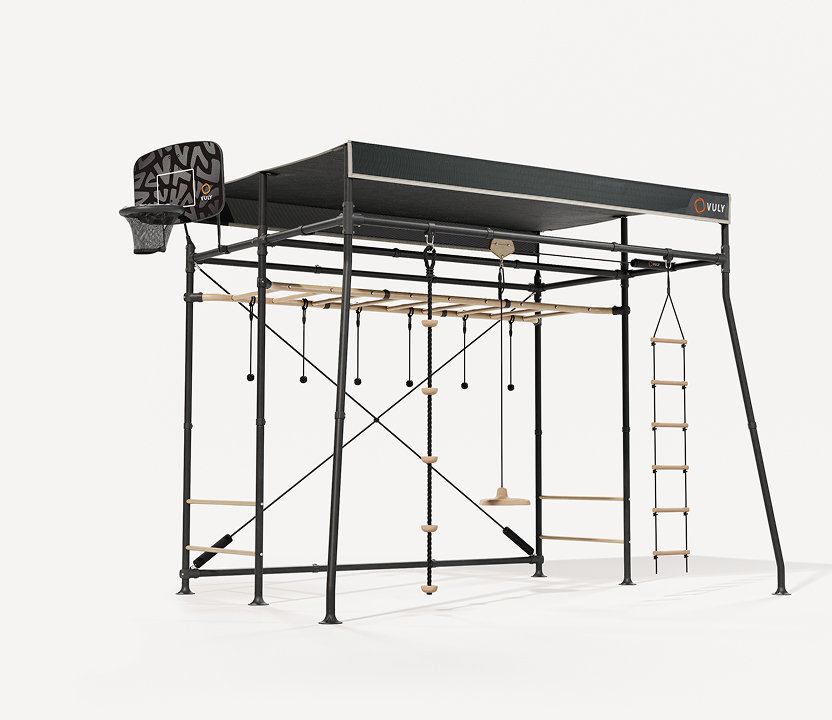
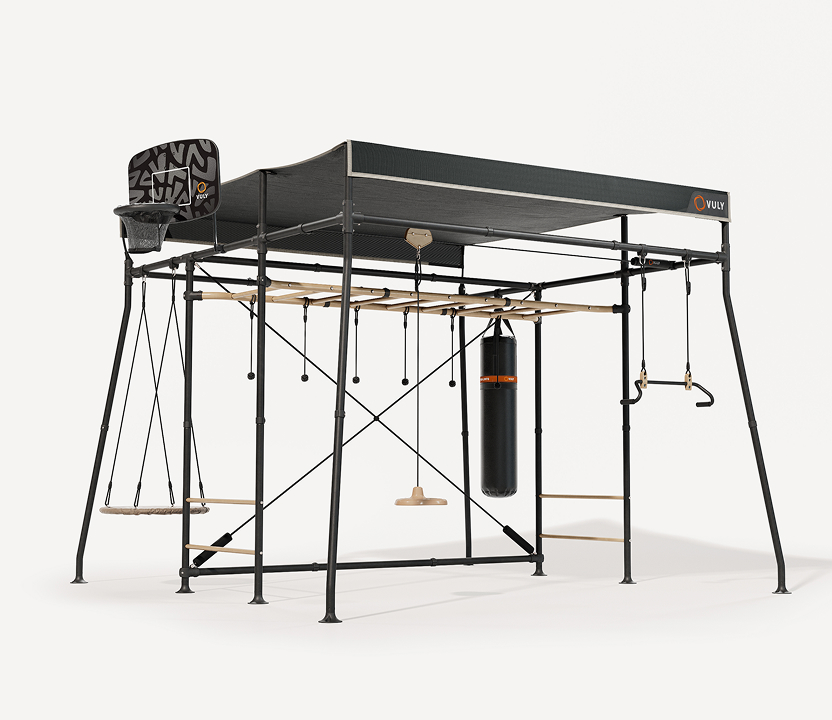
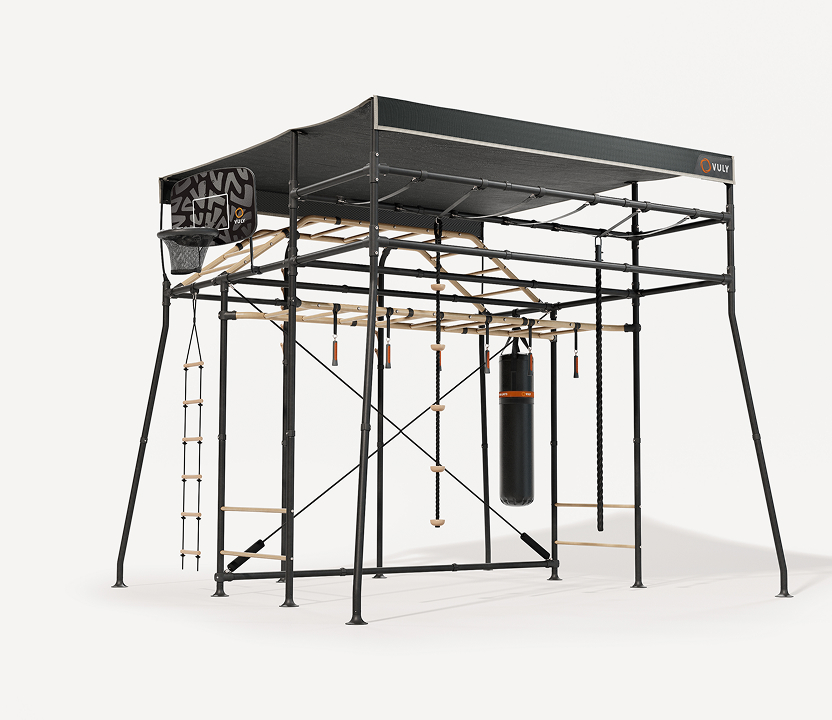
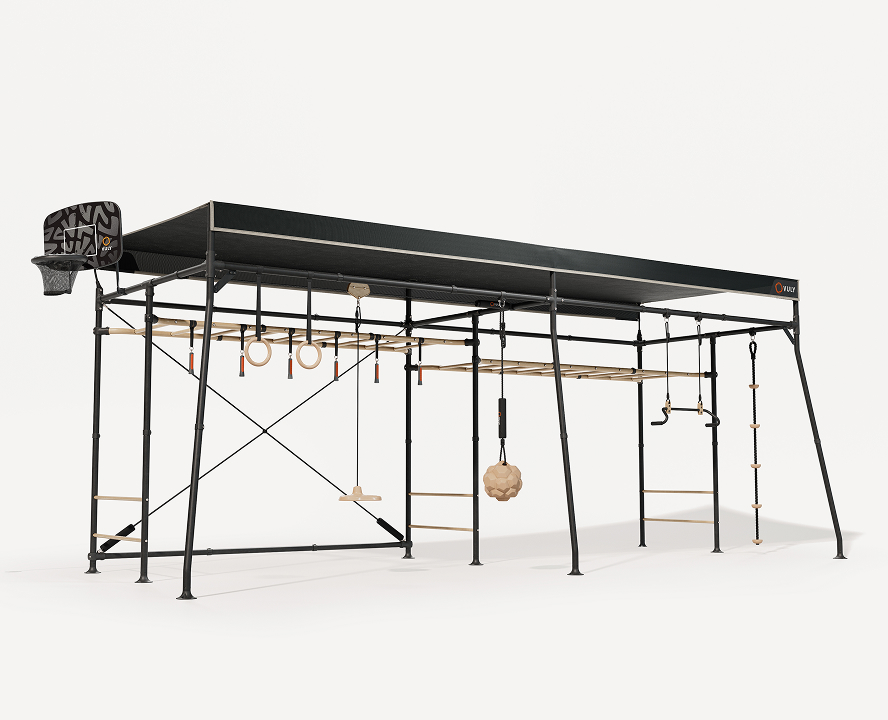
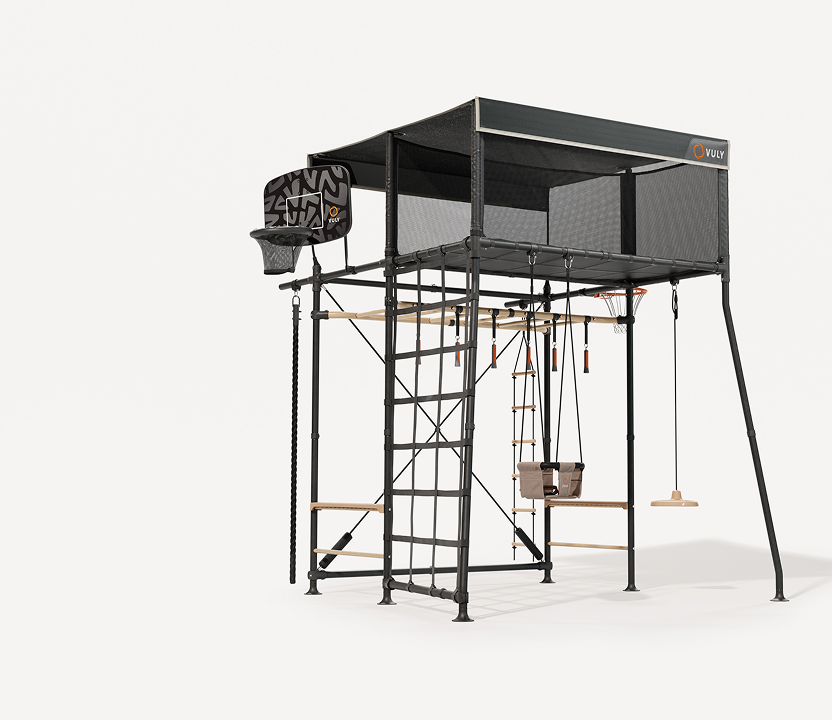
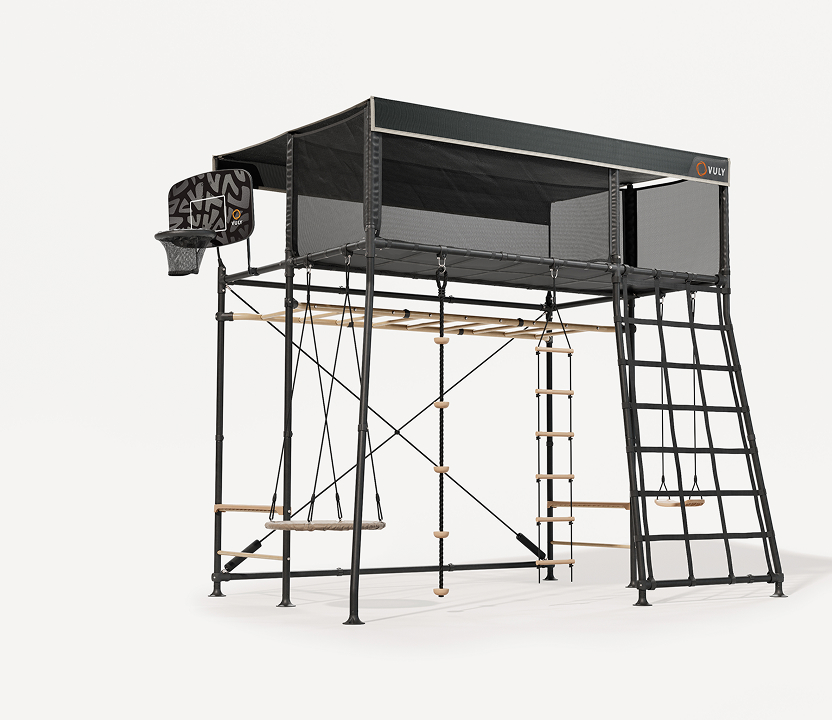
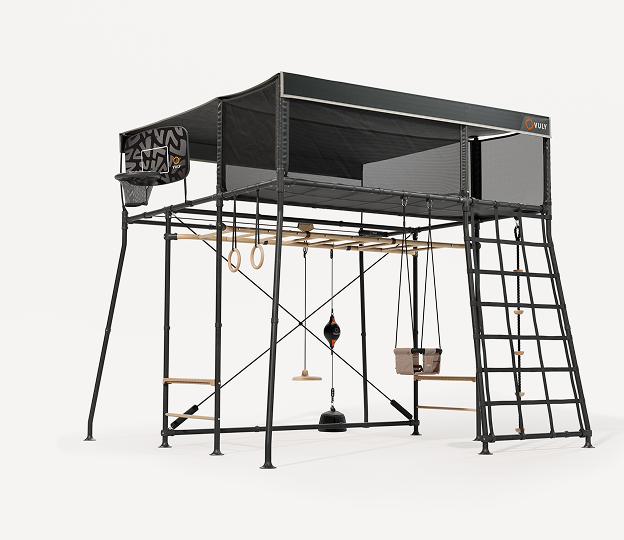
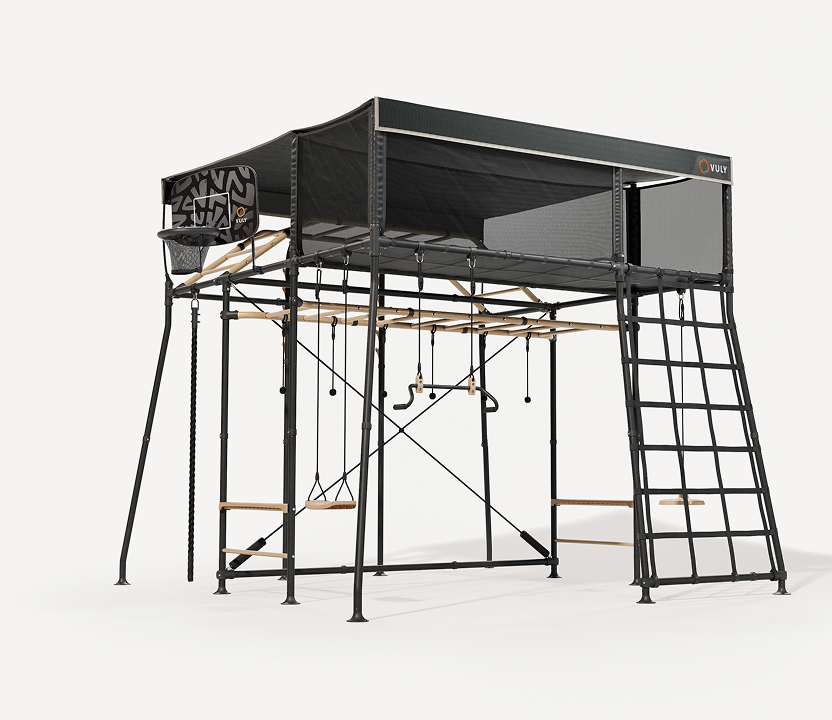
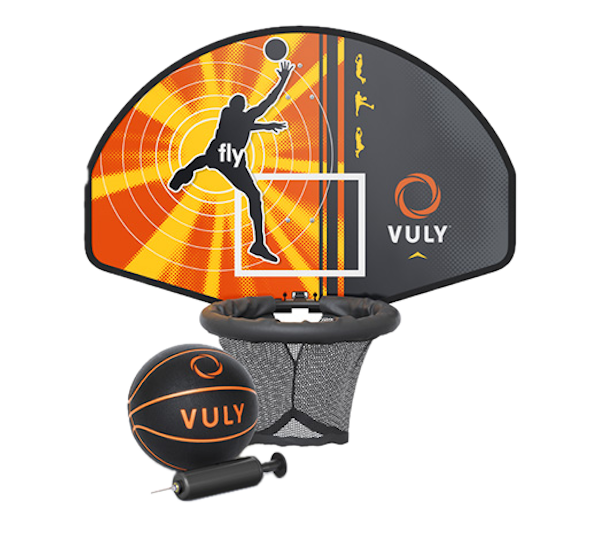
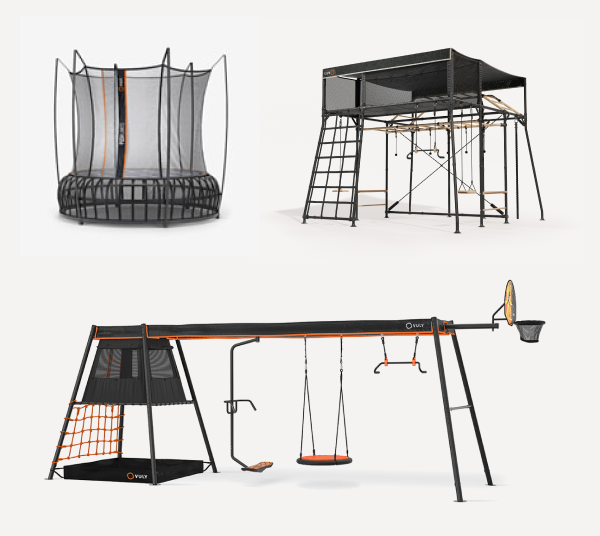
You can now add ladder, boxing bag, basketball set, and all sorts of accessories designed to turn the backyard into a mini adventure park.
Then there’s the seat swing.
Two ropes. One seat. No complicated instructions.
And somehow, kids still love it.
If you’re setting up a backyard for the first time or wondering whether a traditional swing seat is worth adding to your existing play set, the short answer is: it can be especially if your child already makes a beeline for the swings at the playground.
But simple doesn’t automatically mean right for everyone.
Here’s what Aussie parents should know before choosing one.
What Is a Seat Swing?
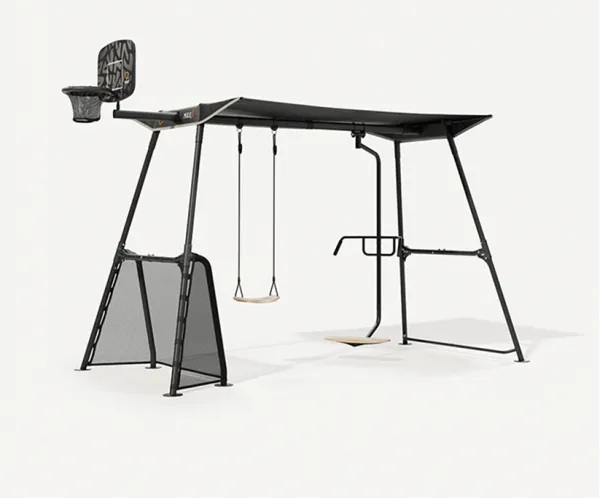
A seat swing is the classic single-seat swing most of us grew up with.
It hangs from two attachment points on a compatible swing frame and is generally designed for one child at a time.
Unlike a seesaw swing, larger enclosed swing, there isn’t much to figure out.
Your child sits down, holds on and swings backwards and forwards.
That simplicity is really the point.
For younger kids, it might mean yelling, “Higher!” while you provide the push.
As they get more confident, many children learn how to move their legs and body to keep the swing going themselves.
Less gear. Less fuss. More swinging.
Why Do Kids Still Like Traditional Swings?
Not every backyard activity needs ten features and an instruction manual.
Sometimes kids just want to move.
A traditional kids swing seat gives them a familiar activity they probably already know from the local playground. They can swing gently one day, go a little higher the next, or spend an entire arvo trying to keep themselves moving without asking you for another push.
It can also support:-
- active outdoor play
- balance and coordination
- confidence using playground-style equipment
- learning to control their own movement
- independent backyard play
And perhaps the biggest advantage?
There is no game to finish and no rules to remember.
Just hop on and swing.
Very JOMO: while every other backyard accessory is trying to be the main character, the classic swing is quite happy doing its thing.
Who Is a Seat Swing Best For?
A traditional seat swing usually makes the most sense for children who already enjoy standard playground swings.
Think about what your child actually does when you visit the park.
Do they run straight towards the swings?
Do they keep asking for another push?
Are they starting to work out how to swing by themselves?
If yes, bringing that experience into the backyard may be a fairly easy decision.
A seat swing can also suit families looking for a straightforward accessory without taking up as much room on the swing frame as some larger options.
However, it won't suit every child.
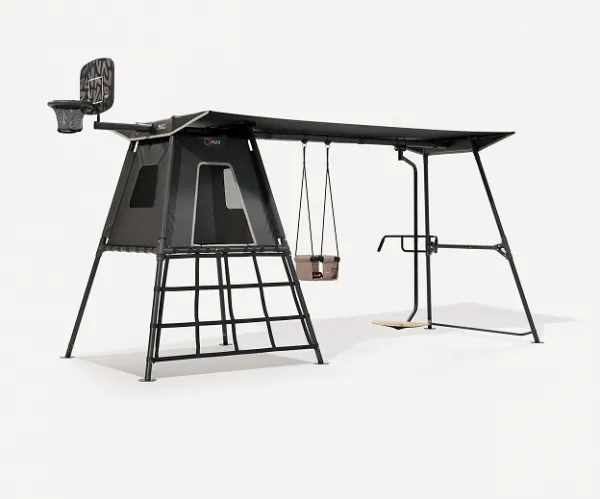
Very young children or kids who need more seating support may be better suited to a properly designed baby swing.
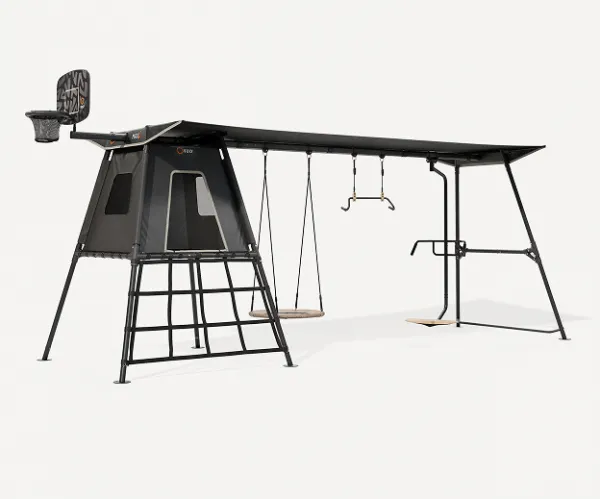
Others may simply prefer a nest swing, climbing equipment or something they can use with a sibling or mate.
Buy for the kid you actually have, not the backyard setup Instagram tells you that you need.
Seat Swing vs Nest Swing: Which One Should You Choose?
This is where the choice becomes more personal.
Choose a seat swing if:-
Your child enjoys traditional swinging, prefers active movement and is happy playing independently.
A standard seat swing is also a good choice when you want something familiar and uncomplicated.
Consider a nest swing if:-
Your child likes a larger seat, wants to sit in different positions or prefers a more relaxed swinging experience.
Nest swings can also offer a different style of play because of their wider seating area.
Neither option is automatically better.
Watch what your child chooses at parks and playgrounds. Their behaviour will probably tell you more than a product comparison ever could.
Is a Seat Swing Worth It?
For the right child, yes.
A seat swing for kids is worth considering when your child already enjoys traditional swings and you want to add a simple, familiar activity to the backyard.
It probably isn't the right choice if your child needs additional seating support, prefers another style of play or your existing frame isn't compatible.
And that's completely fine.
A good backyard doesn't need every accessory available.
In fact, there is something quite nice about having fewer things that actually get used.
The classic swing has survived generations of newer, shinier backyard toys for a pretty obvious reason.
Kids still enjoy swinging.
The 30-Second Parent Check
Ask yourself:-
-
Does my child already enjoy swings?
-
Is this swing suitable for their age and size?
-
Is my existing frame compatible? If not sure, engage with our team.
-
Do I have enough safe space around it?
-
Would they use this more than another swing style?
If you're getting mostly yeses, you're probably heading in the right direction.
And if you're already looking at a new Swing Sets or Monkey Bars, you can get AUD $15 off, using this [V U L Y D I G E S T].
No pressure to collect every backyard accessory, though.
Sometimes the best upgrade is simply the one that gets used.
An Author’s Childhood Memories
Parents might remember backyard swings very differently from the play equipment available today.
No Bluetooth. No LEDs. No obstacle course.
Probably not even a particularly comfortable seat.
Yet we still remember asking someone to push us higher.
That's the nice thing about the traditional seat swing.
It isn't trying to reinvent backyard play.
It gives kids movement, a little independence and something easy to come back to whenever they feel like heading outside.
And sometimes, that's enough.