Ask someone what a climbing frame is and you might get a few different answers.
One parent pictures the metal frame at their childhood playground. Another imagines monkey bars.
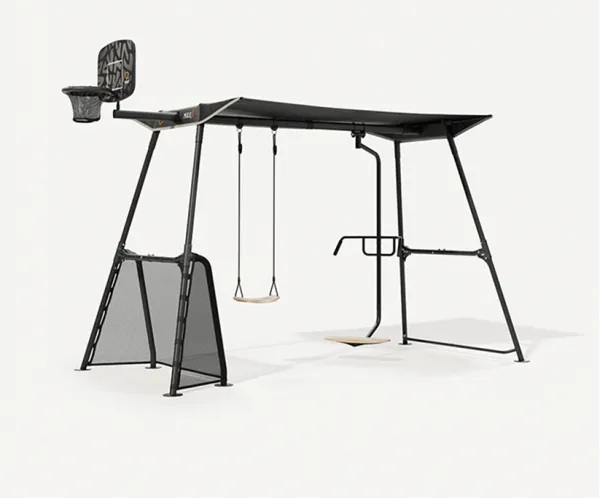
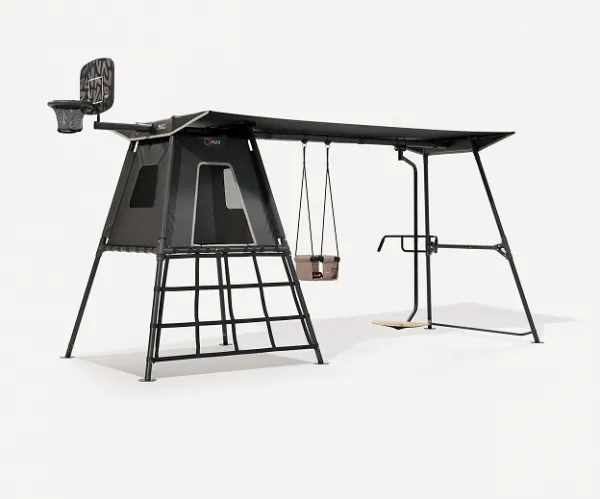
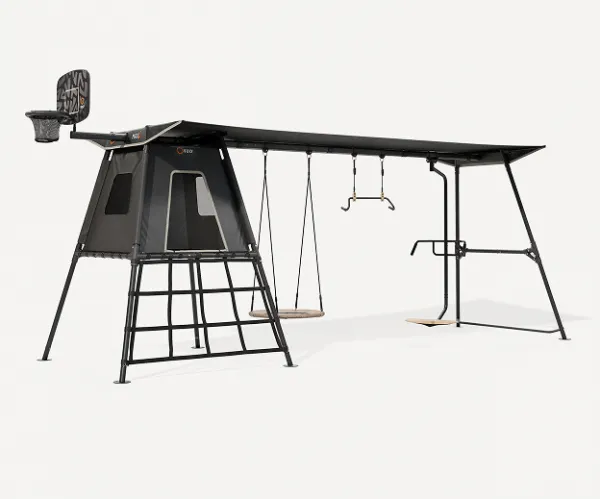
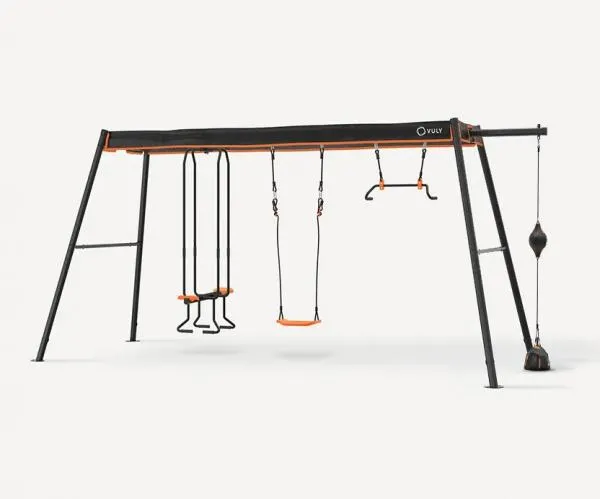
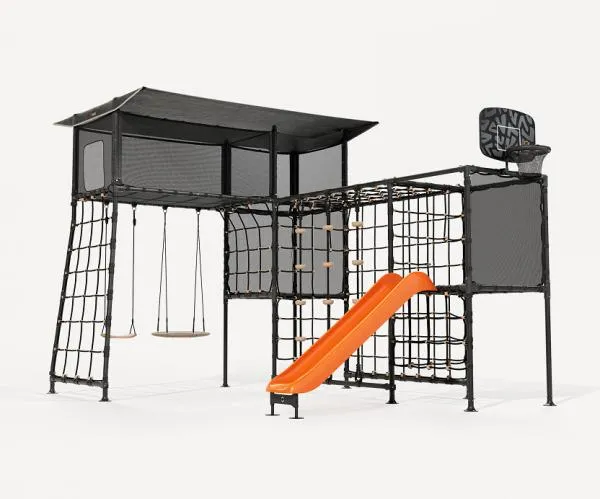
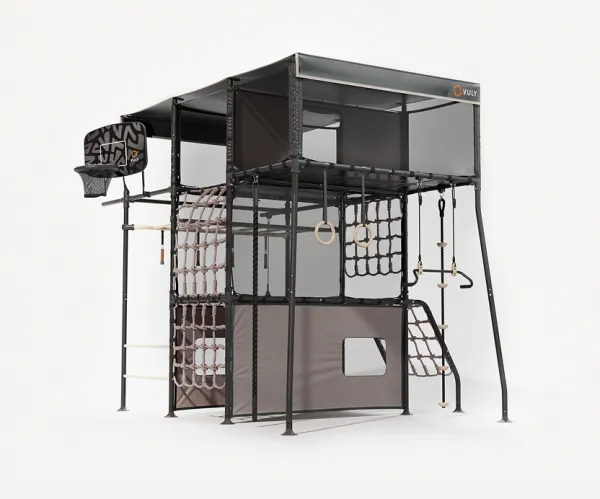
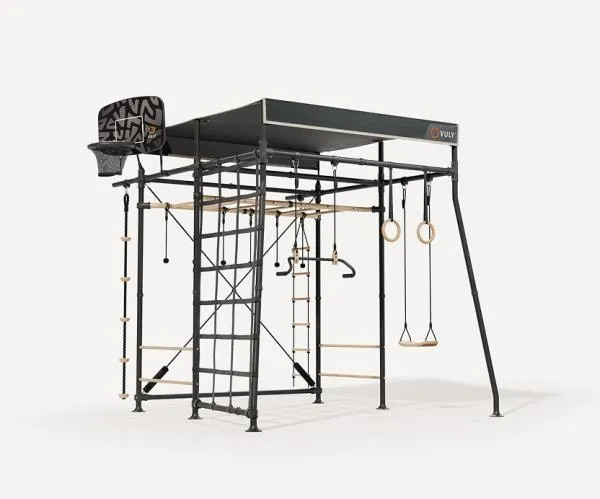
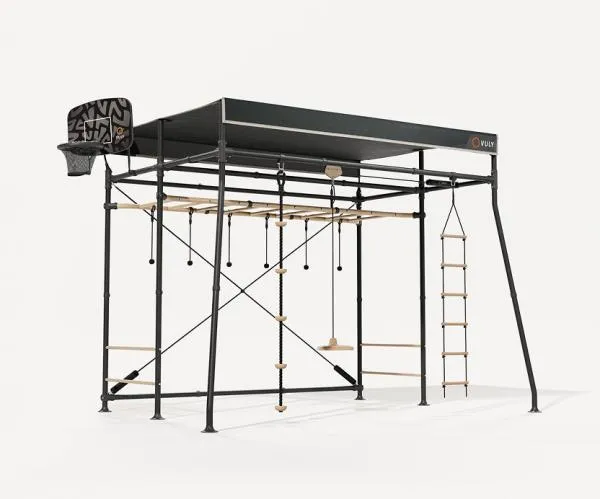
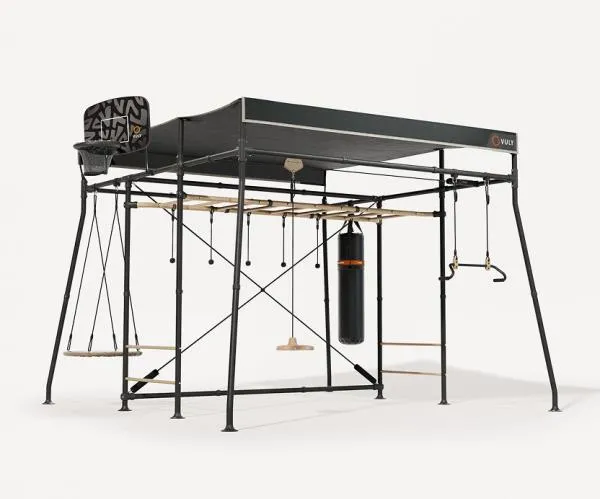
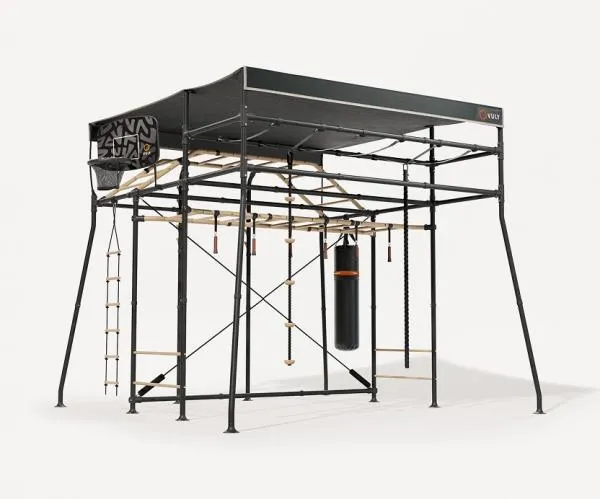
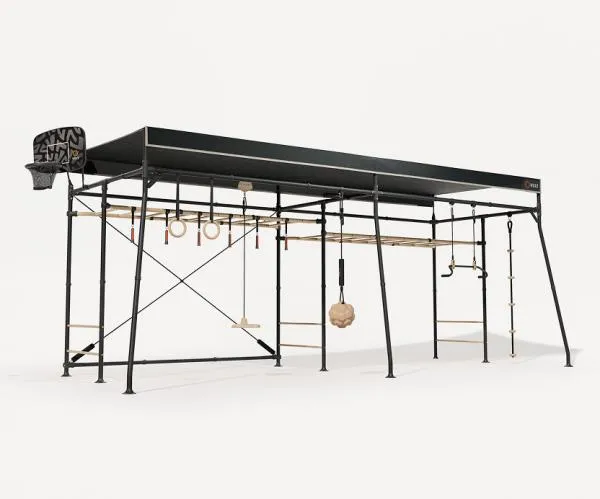
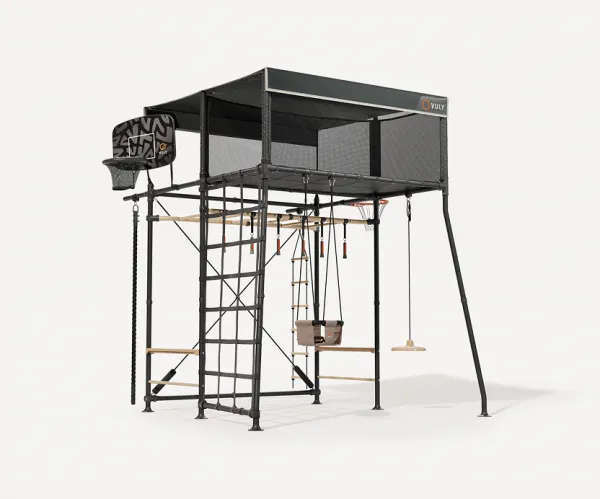
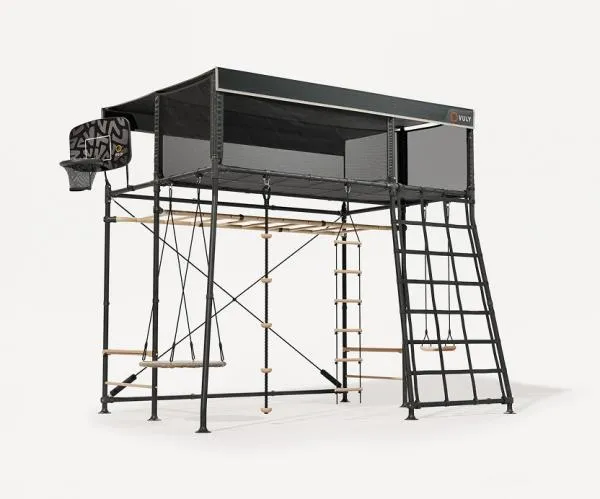
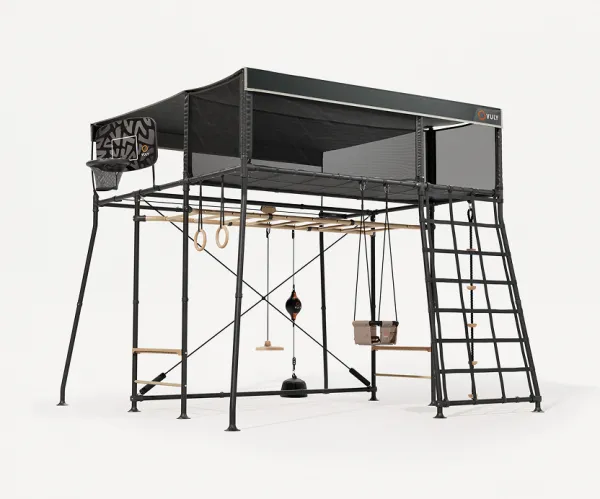
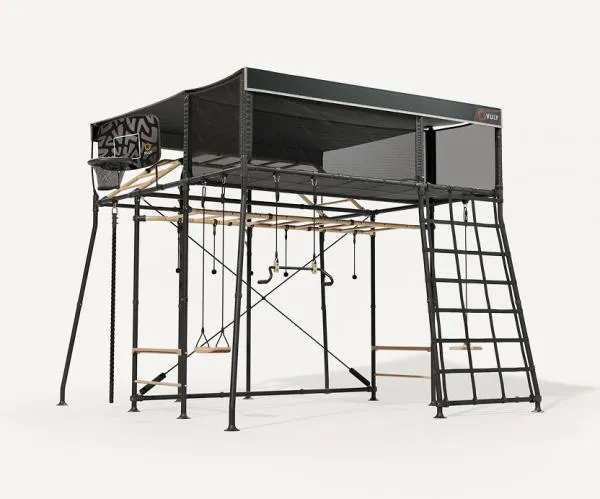
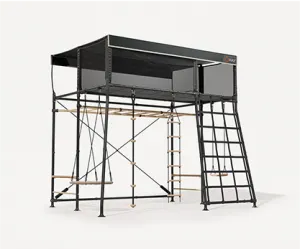
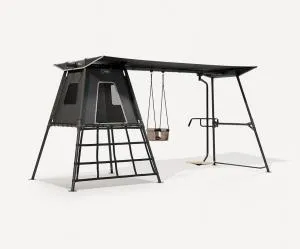
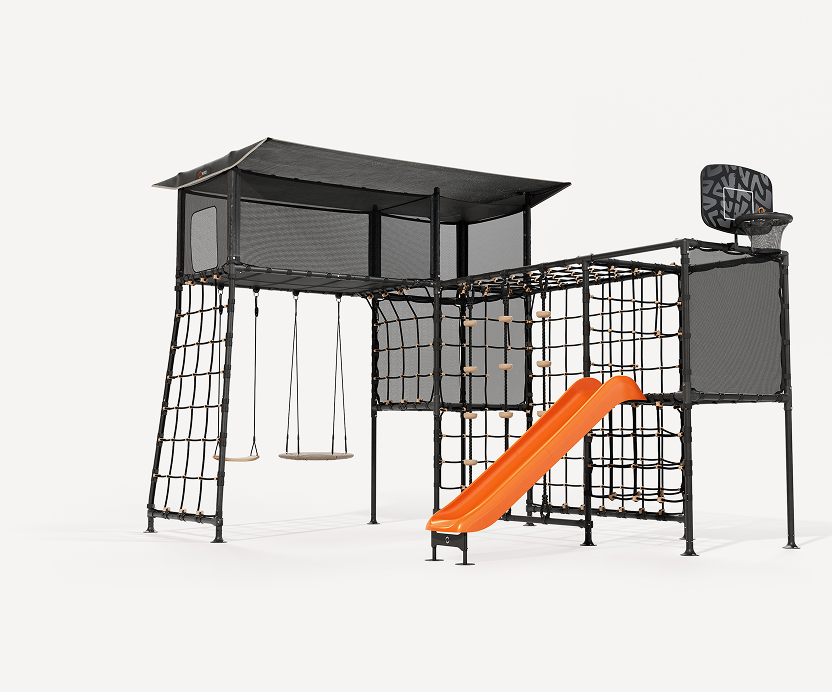
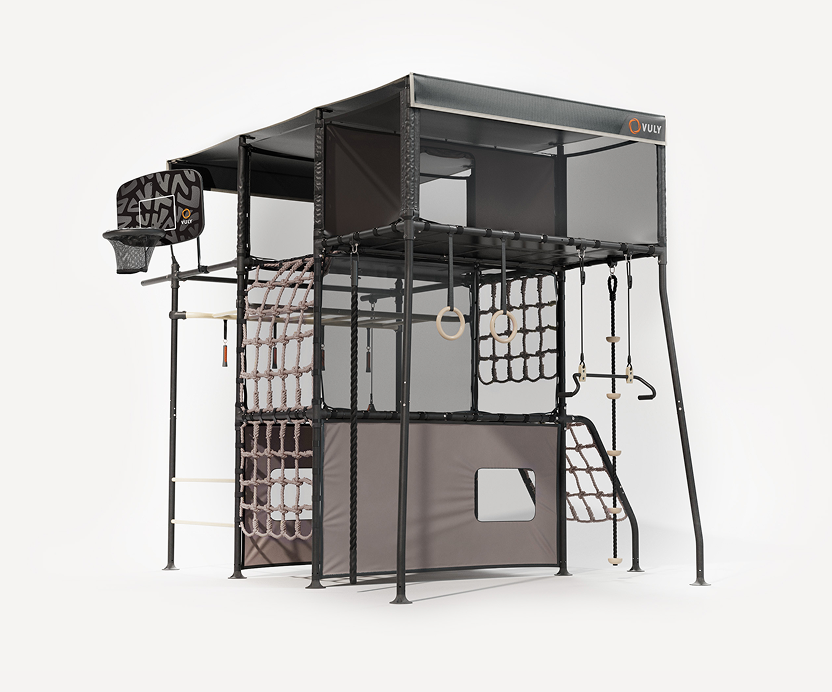
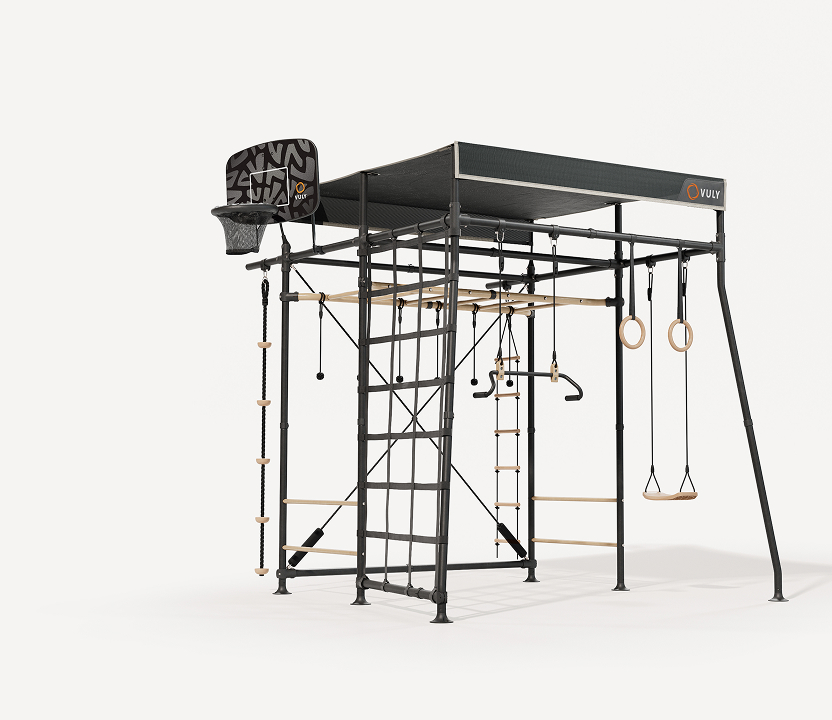
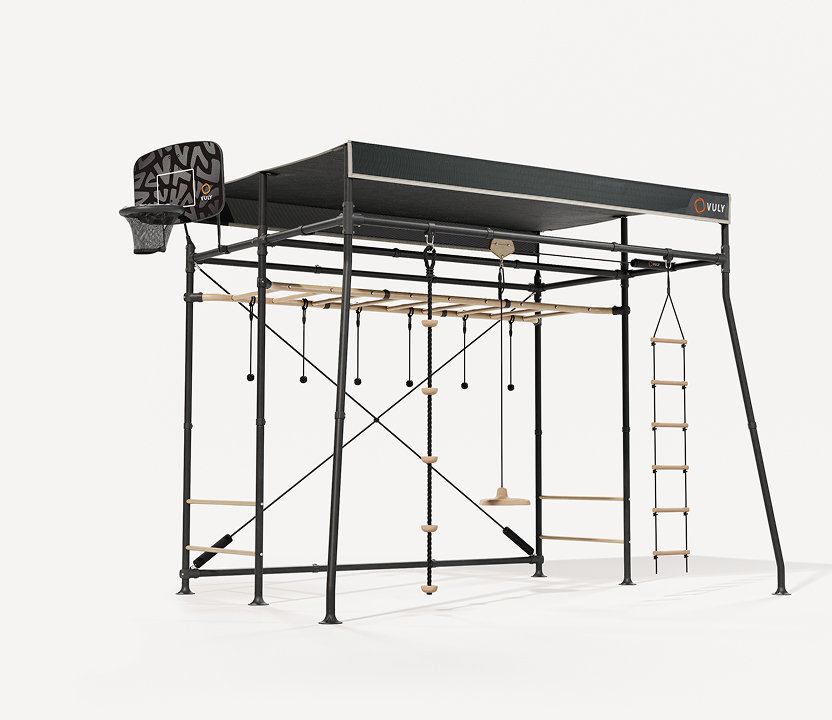
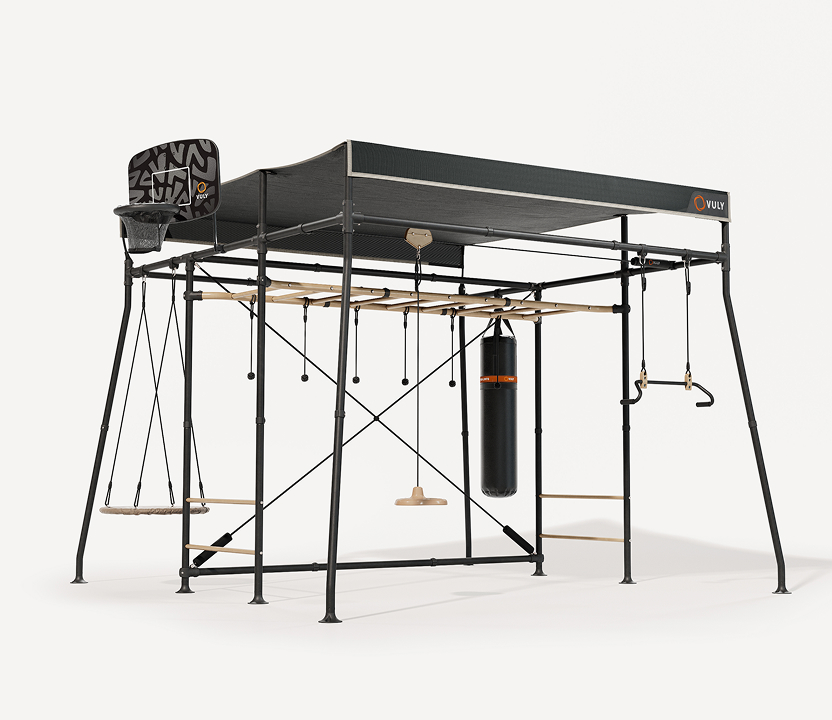
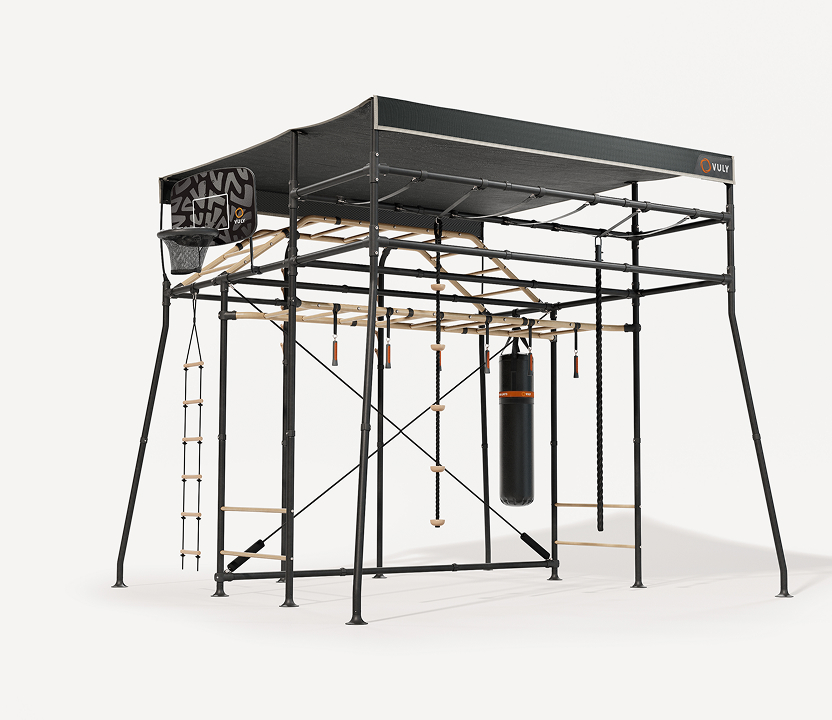
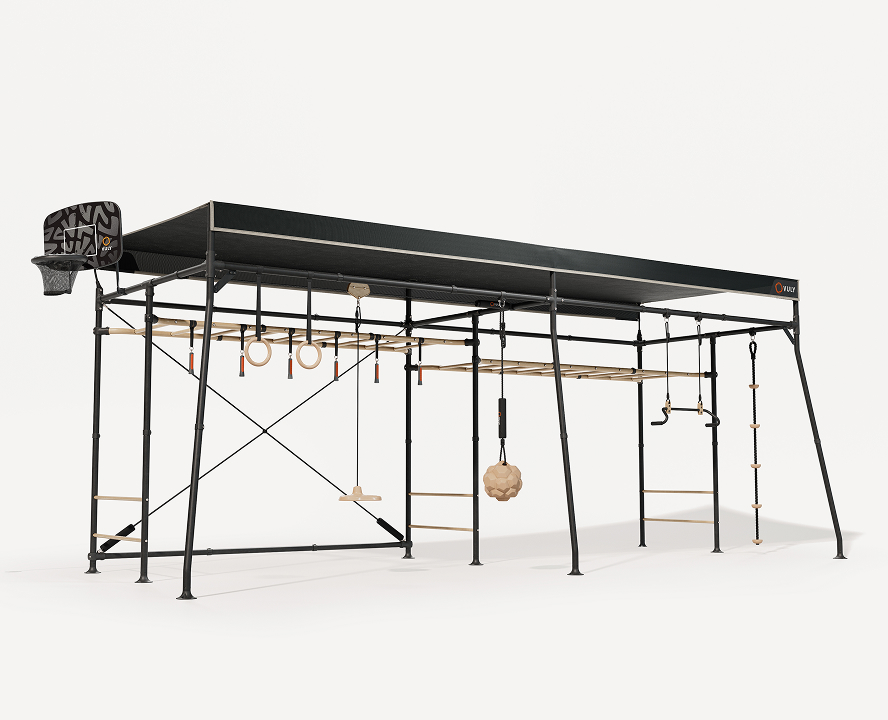
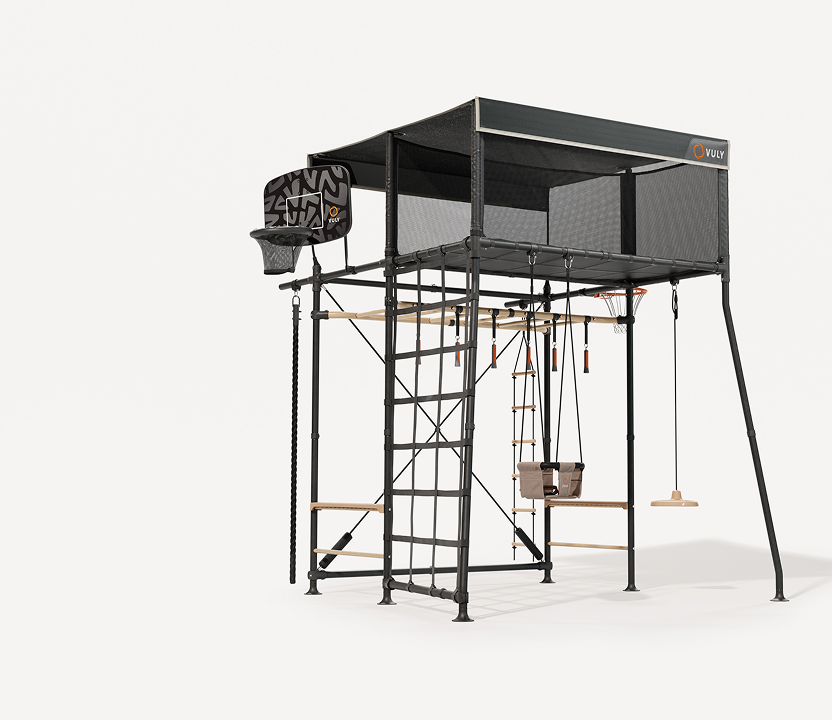
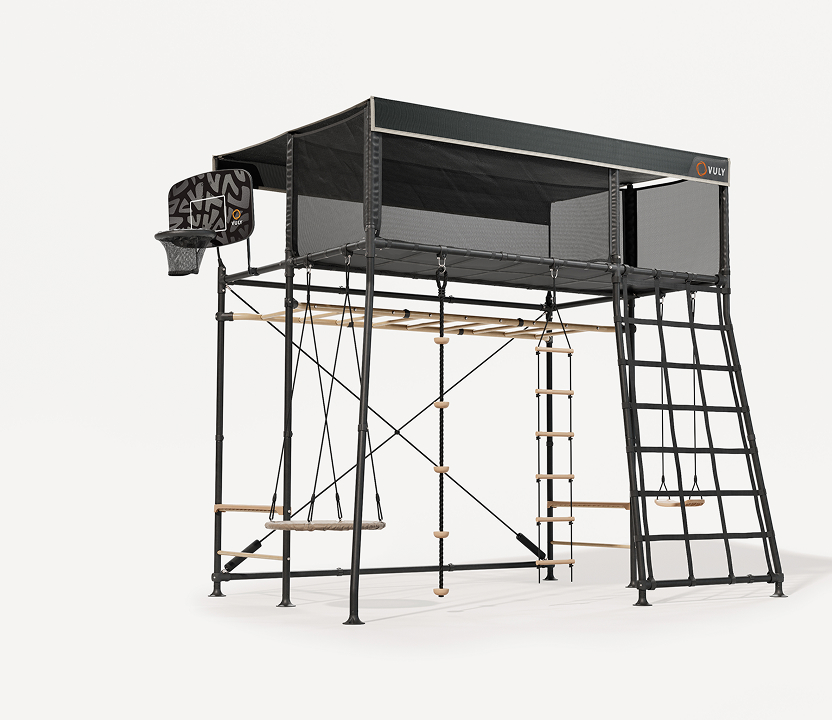
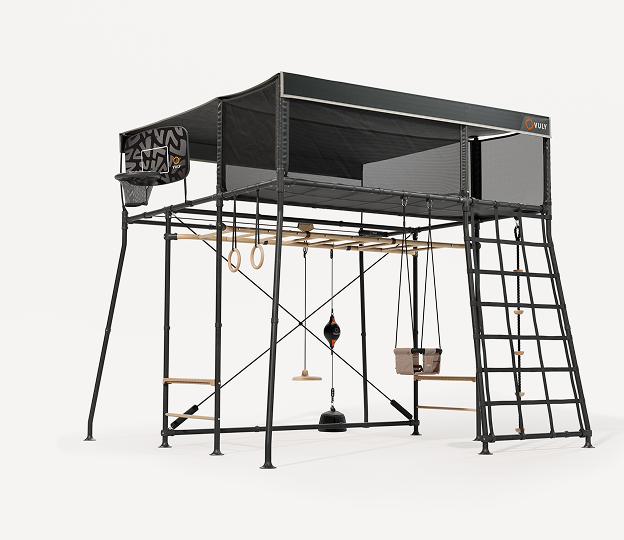
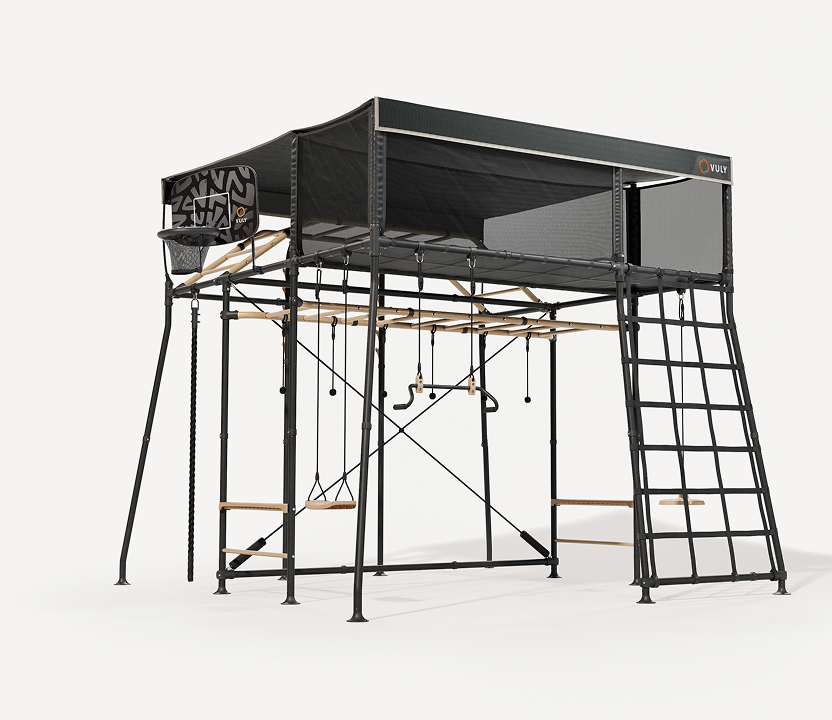
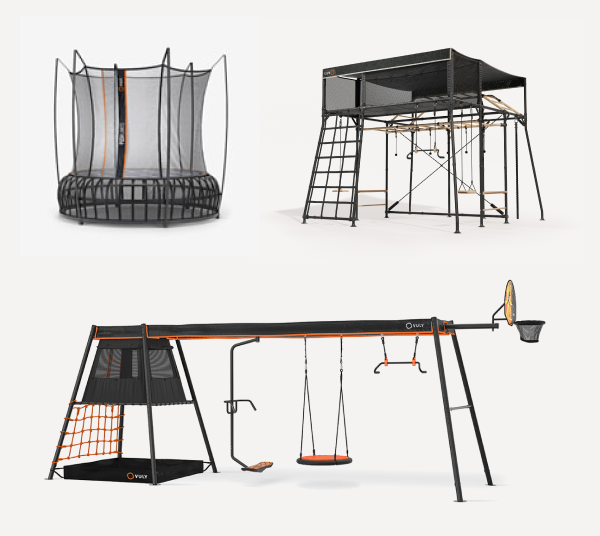
Someone else might think of a full backyard setup with ladders, seat swing, ropes and gym rope to hang.
And technically, they can all be right.
A climbing frame is simply a structure designed to let kids climb, hang, balance and move around in different ways.
What has changed over time is what we put on that frame and what we call it.
Where Did the Name 'Climbing Frame' Come From?
The name is surprisingly straightforward.
A frame provides the structure, while climbing describes what kids do with it.
Early climbing structures were much simpler than the backyard play equipment we see today. One of the best-known early designs was Sebastian Hinton's jungle gym, developed in the United States in the 1920s. His design used interconnected metal bars that allowed children to climb through the structure in different directions.
Over the years, playground design evolved.
Frames became taller, wider and more creative.
Ladders, ropes, platforms, monkey bars and other challenges started becoming part of the same structure.
So the humble climbing frame went from:-
“Climb this frame.”
to something closer to:-
“Okay kids, figure out 17 different ways to get across this thing without touching the ground.”
Basically, childhood parkour before kids knew what parkour was.
Climbing Frame vs Monkey Bars: Are They the Same?
Not quite.
Think of climbing frame as the bigger category.
A climbing frame can include different ways to move, such as:-
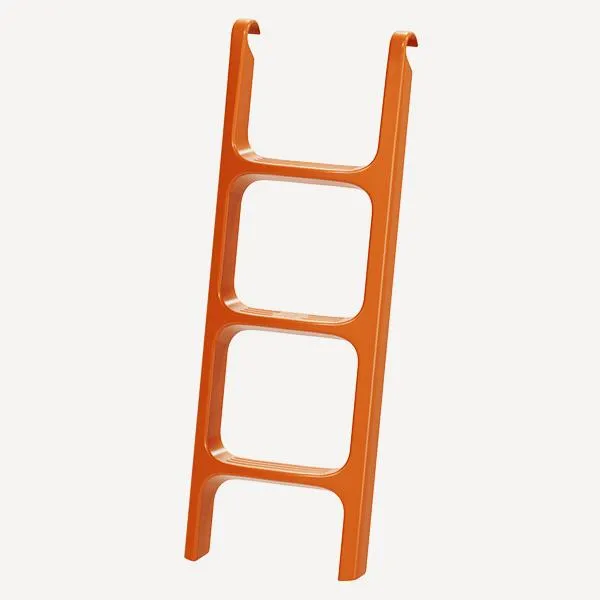
- ladders
- climbing bars
- Gym rope
- ropes or nets
- hanging challenges
- monkey bars
Monkey bars, on the other hand, usually describe a row of overhead horizontal bars that children move across using their hands.
Interestingly, this distinction goes right back to early playground design. Hinton's original climbing structure later included what he called a “monkey runway”, an elevated horizontal ladder designed for hanging and moving hand-over-hand.
That idea eventually developed into what we commonly call monkey bars today.
In Australia, though, the language gets a little blurry.
We often use 'monkey bars' to describe more than the overhead bars themselves.
Sometimes the whole backyard climbing structure gets called monkey bars.
So if your kid says:-
“I want monkey bars!”
They might actually mean:-
“I want one massive thing in the backyard that I can climb all over.”
Fair enough.
What Makes a Climbing Frame Different Today?
Modern kids climbing frames have moved well beyond a basic ladder and a few bars.
A backyard climbing frame can create several types of play within one structure. Kids might climb up one side, hang from another, move across overhead bars and invent completely different games the next day.
That variety matters because climbing isn't only about reaching the top.
Kids are also practising things like balance, coordination, grip strength, body control and problem-solving while they play.
And they usually have no idea they're doing any of that.
To them, the mission is much simpler:-
Get from A to B without touching the grass because apparently the grass is now lava.
Peak Gen Z-parent logic: if they are outside, moving and not asking for the Wi-Fi password every five minutes, we're already winning.
Why Climbing Frames Still Work So Well
Technology around kids keeps changing.
The basic urge to climb really hasn't.
Give children a structure with different paths and challenges and they naturally start experimenting.
“Can I climb this?”
“Can I get across there?”
“Can I do it faster?”
“Can I do it backwards?”
That freedom is what makes a backyard climbing frame different from a toy with only one obvious way to use it.
The frame provides the structure.
Kids provide the imagination.
So, Climbing Frame or Monkey Bars?
The easiest way to remember it is:
Monkey bars can be part of a climbing frame, but a climbing frame can be much more than monkey bars.
Both names are familiar, and you'll often hear them used interchangeably. But if you're looking for a larger outdoor structure that gives kids several ways to climb, hang, balance and explore, climbing frame is the broader term.
Whatever you call it, the idea hasn't changed much in more than a century.
Give kids something interesting to climb…
…and they'll usually work out the rest.
Let understand the different here.
A Little Something Special from the Author
Your backyard adventure is calling!
Enjoy AUD $15 off your first playsets with code [V U L Y D I G E S T].
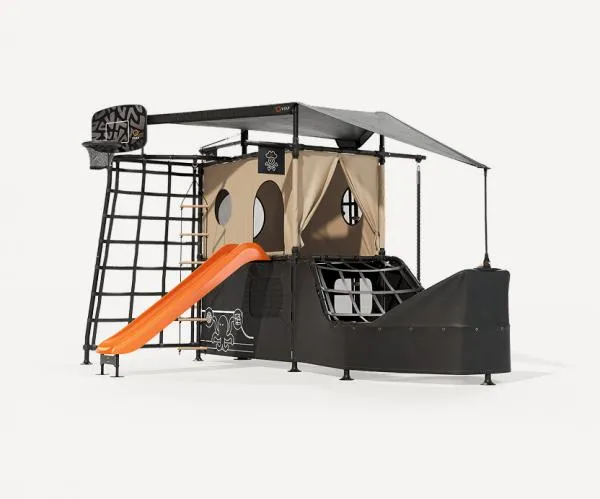
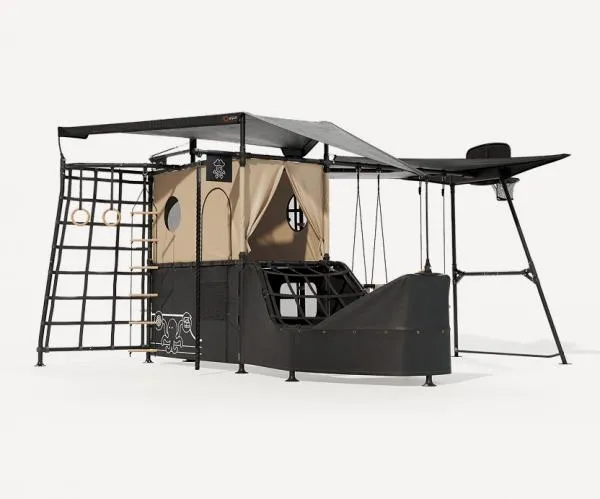
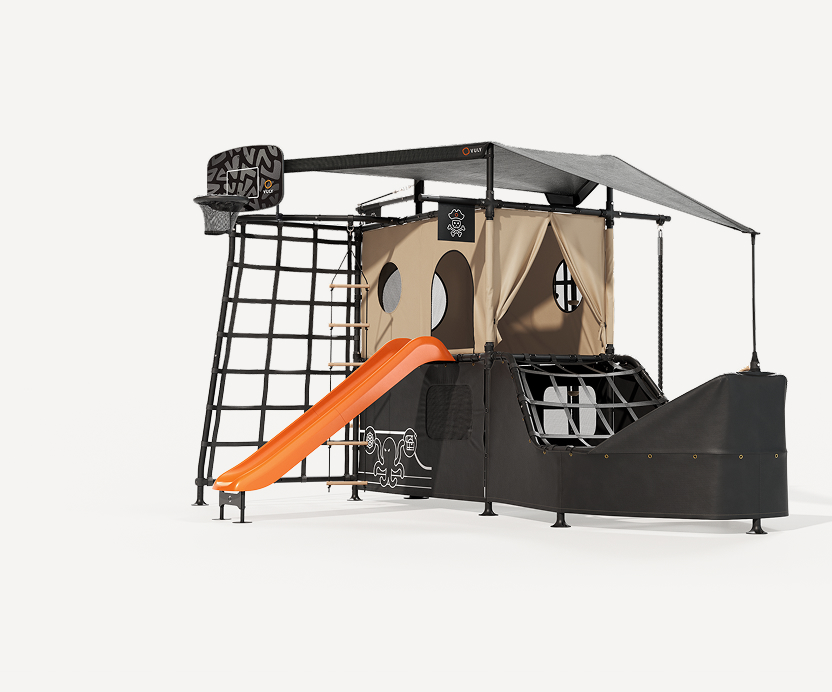
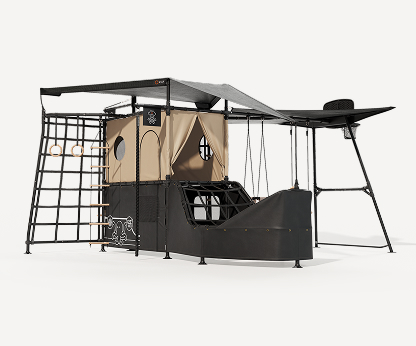
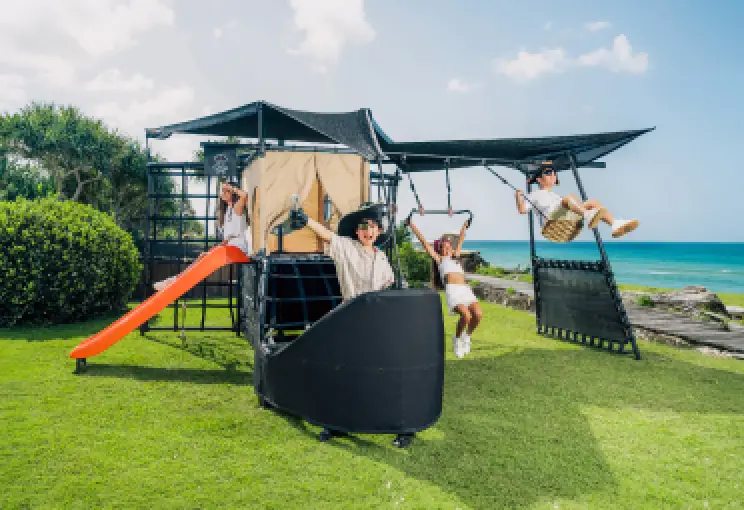
Or, if climbing isn’t quite enough, check out our Tree House and Pirate Ship for even more ways to play, explore and let their imaginations run wild.
More climbing. More exploring.
More “Mum, look at me!” moments.