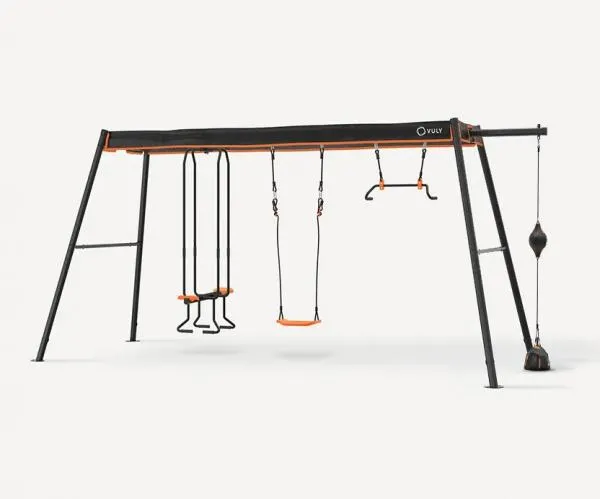
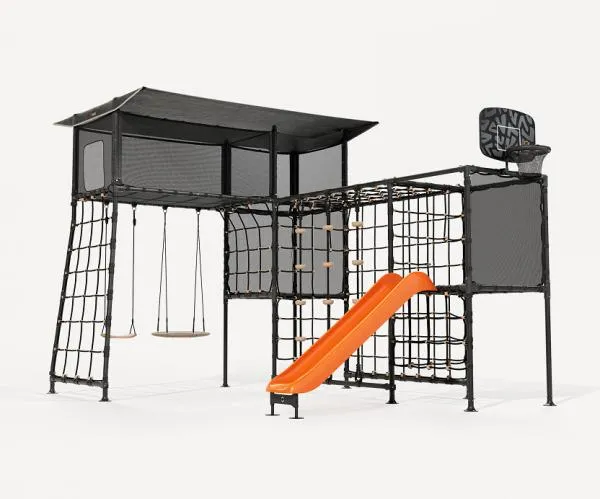
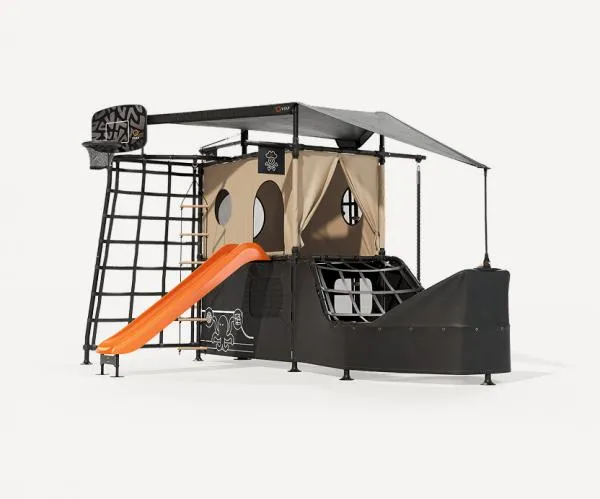
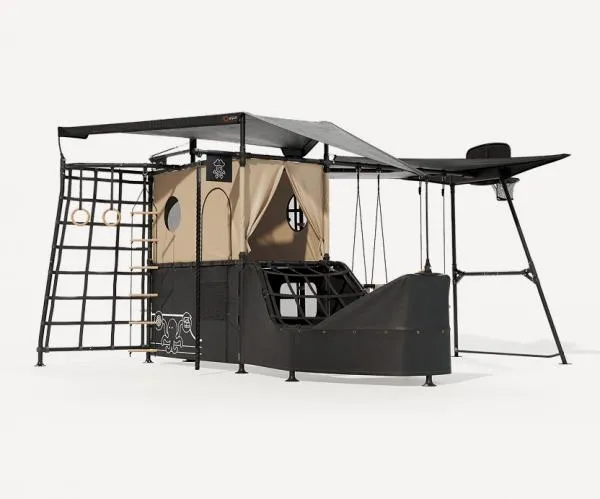
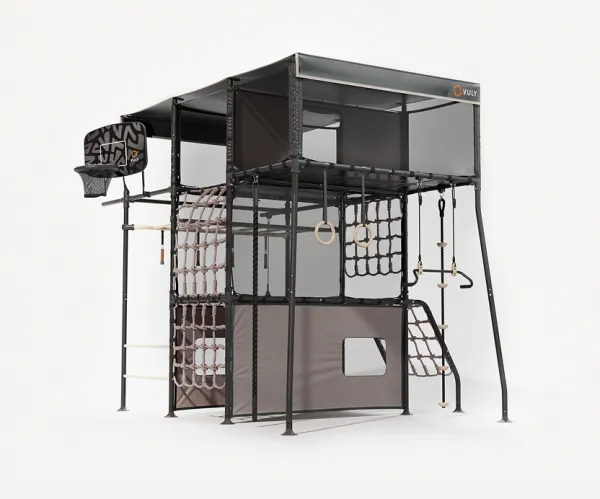
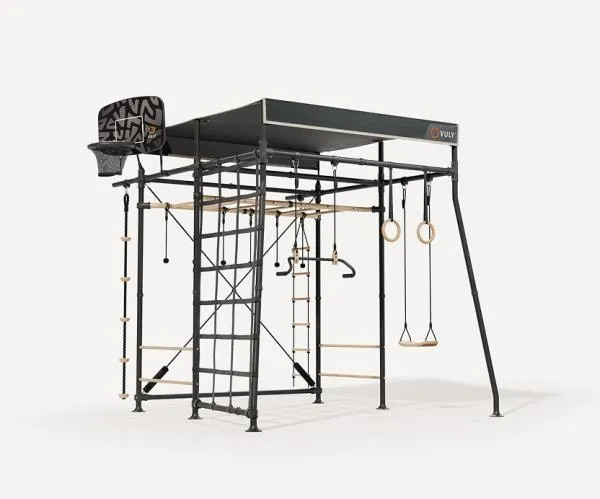
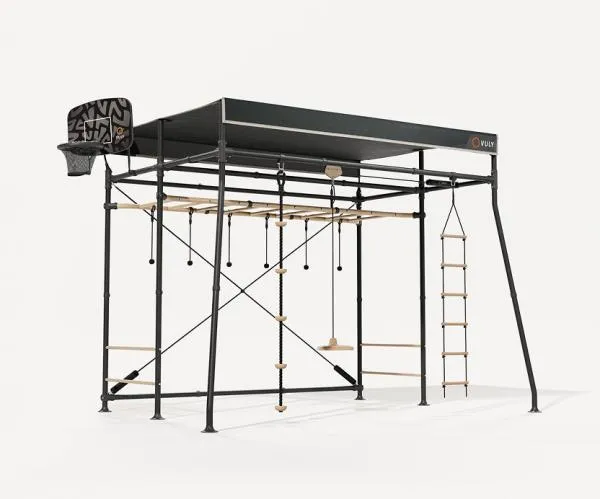
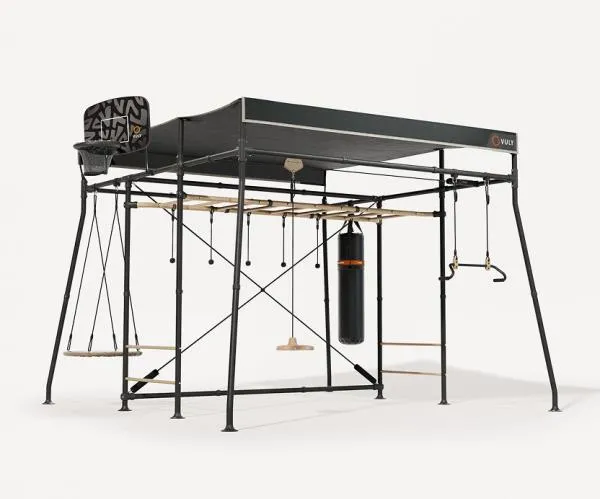
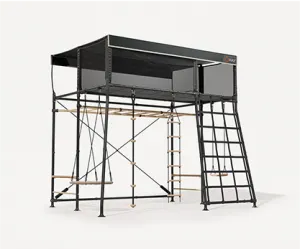
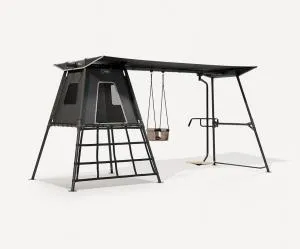
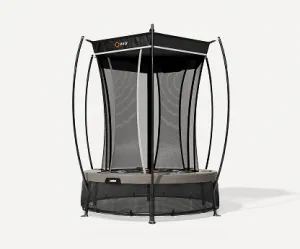
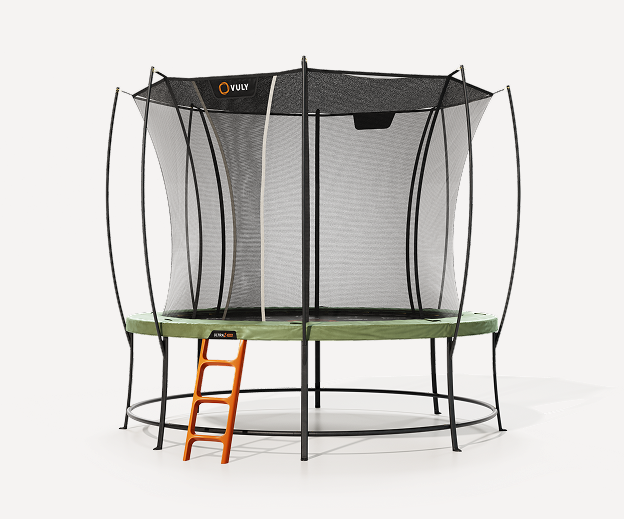
There is something naturally engaging about a target that reacts when you hit it.
A Punching Ballgives children a simple cause-and-effect activity: they aim, make contact, watch the ball move and adjust for the next attempt.
That repeated cycle can make the activity feel more interesting than hitting a fixed target because the position changes after each strike.
For children, it still feels like play.
But underneath that simple game, they are also practising timing, visual tracking, hand-eye coordination and body control.
No coaching session required.
Just:- See it. Aim. Hit. React. Go again.
What Is a Punching Ball?
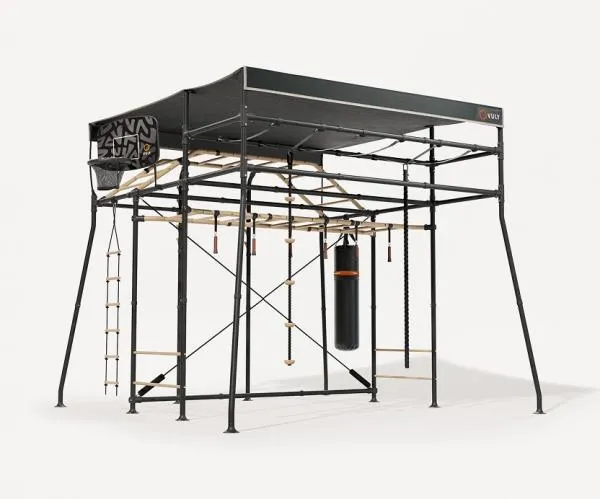
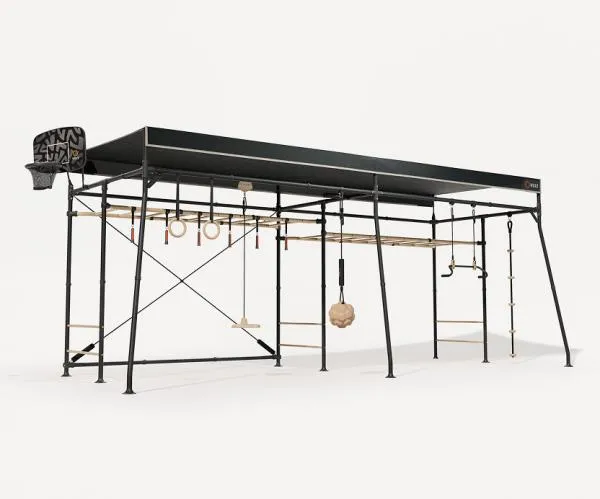
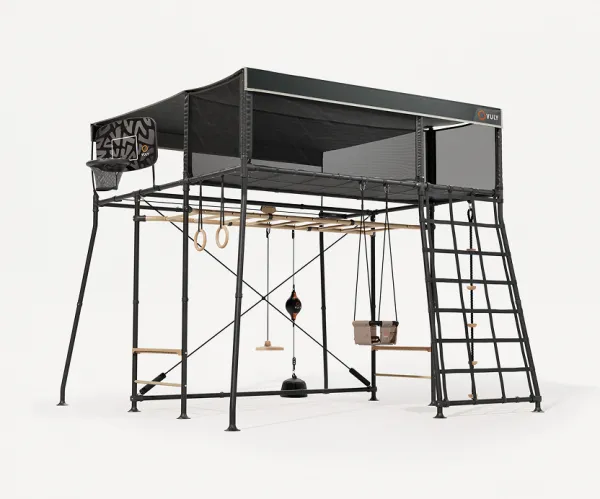
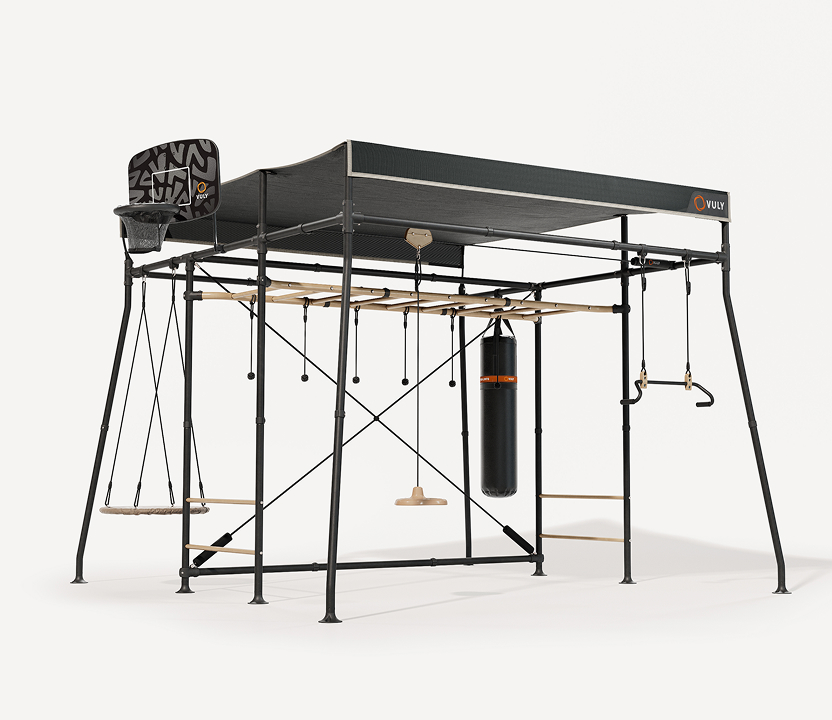
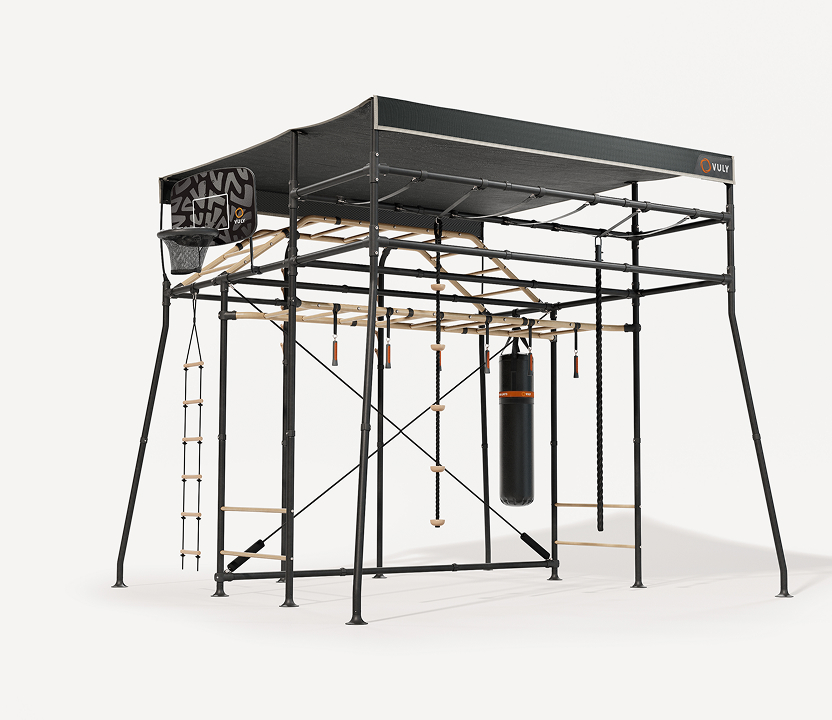
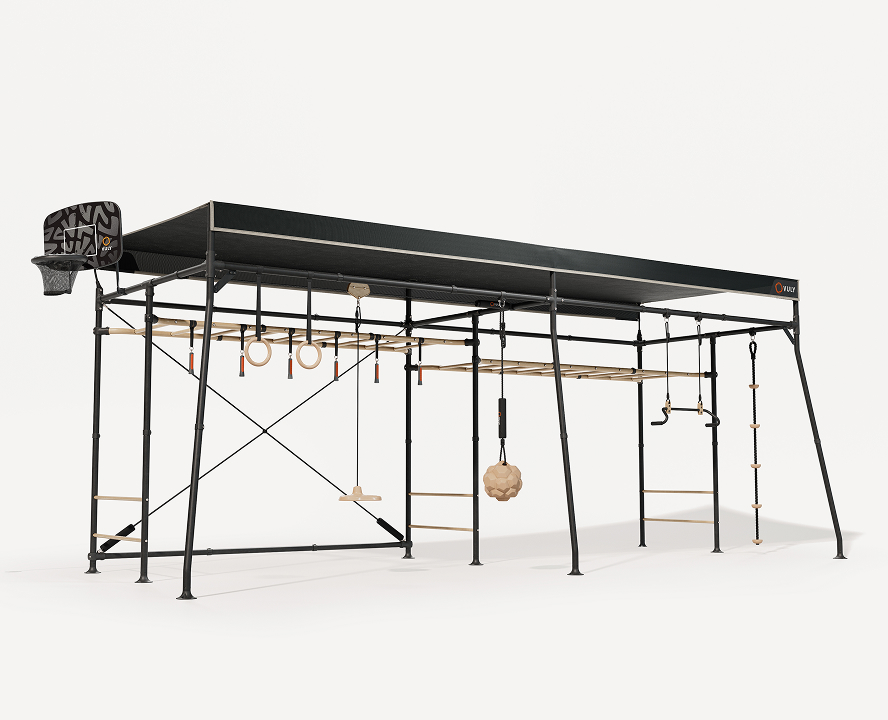
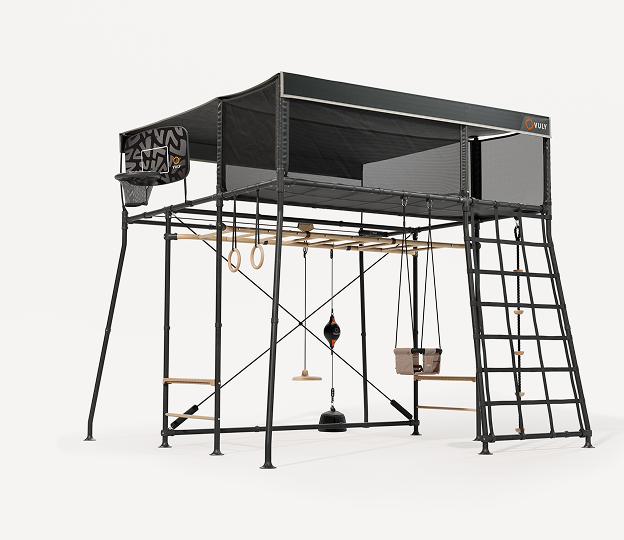
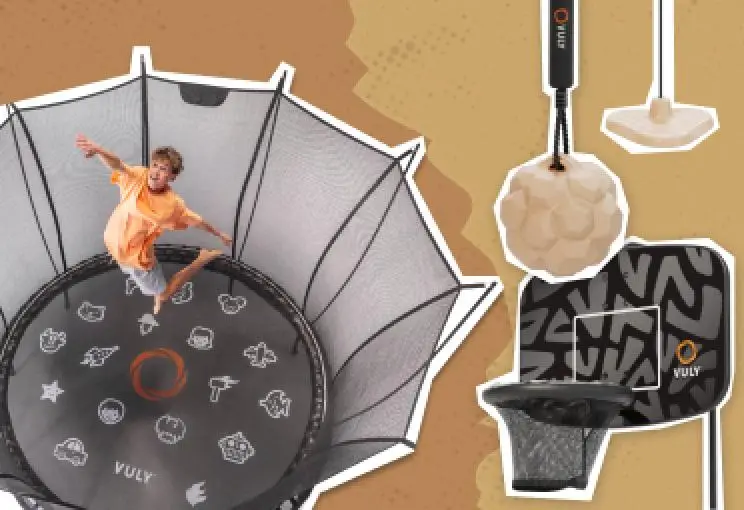
A Punching Ball is a suspended outdoor play accessory designed to move when it is struck.
Unlike a heavier boxing bag, a smaller suspended ball can respond more quickly after contact.
This means children need to keep watching the target rather than simply repeating the same movement in the same place.
The activity can involve:-
- aiming
- hand-eye coordination
- timing
- visual tracking
- balance
- repeated movement
- reacting to a moving target
Why Does a Moving Target Keep Kids Interested?
The useful part is the feedback.
When children hit the ball, something happens immediately.
The ball moves away. They see where it goes.
Then they need to adjust before the next attempt.
This creates a simple loop:-
action → reaction → adjustment → another attempt
That small amount of unpredictability can make repeat play more engaging.
The next hit is rarely exactly the same as the last one.
For parents, this means the activity does not need complicated rules to create a challenge.
The equipment itself provides part of the challenge.
Can a Punching Ball Support Hand-Eye Coordination?
It can give children an easy way to practise coordination through movement.
Hand-eye coordination involves using visual information to guide physical action.
With a Punching Ball, children need to:-
- locate the ball
- judge where it is moving
- time their movement
- make contact
- track where it goes next
That sounds quite technical.
To the child, it is usually just:-
“Can I hit it again?”
That is one of the advantages of play-based movement. Children can practise useful physical skills without the activity feeling like a lesson.
What Kind of Child Might Enjoy a Punching Ball?
A Punching Ball may suit children who naturally enjoy activities with:-
- targets
- quick feedback
- movement
- repetition
- simple goals
- personal challenges
One useful clue is to watch what they already do.
Do they kick balls towards a target?
Throw things through hoops?
Try to beat their previous score?
Turn random objects into goalposts?
If yes, this style of activity may fit naturally into the way they already play.
Is It Good for Short Play Sessions?
Yes.
Not every outdoor activity needs to hold a child's attention for an hour.
A Punching Ball can work well in short bursts.
A child might use it for five minutes, move to the monkey bars, come back later and try again.
That can be useful because children often move between activities rather than staying with one thing for a long period.
Can It Become Part of a Bigger Game?
Definitely.
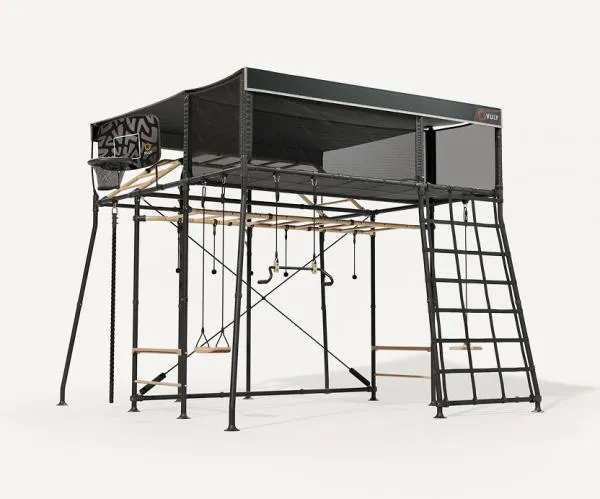
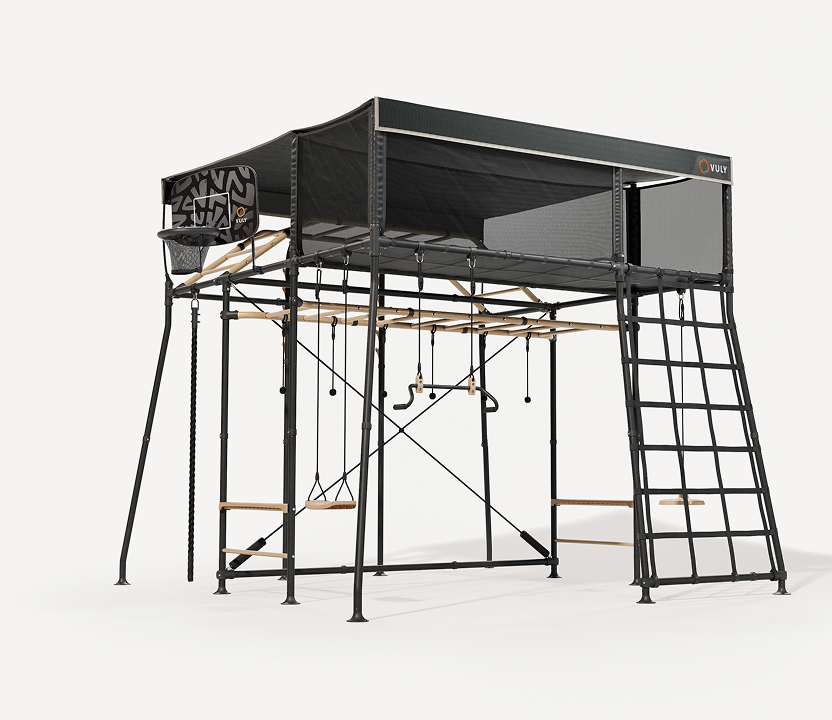
A Punching Ball is easy to turn into a challenge station.
For example:-
- climb the ladder
- cross the monkey bars
- move through the rings
- reach the Punching Ball
- land three hits
- run back to the start
This adds a clear ending to the activity.
The child knows exactly what they need to do.
And once they understand the idea, they can change the rules themselves.
That keeps the play open rather than overly structured.
Why Does Placement Matter?
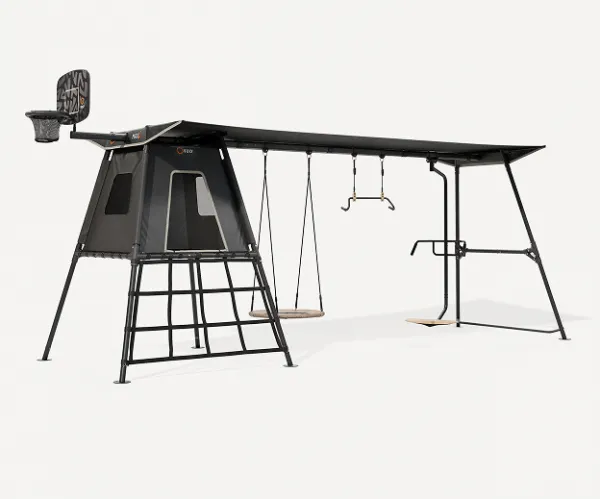
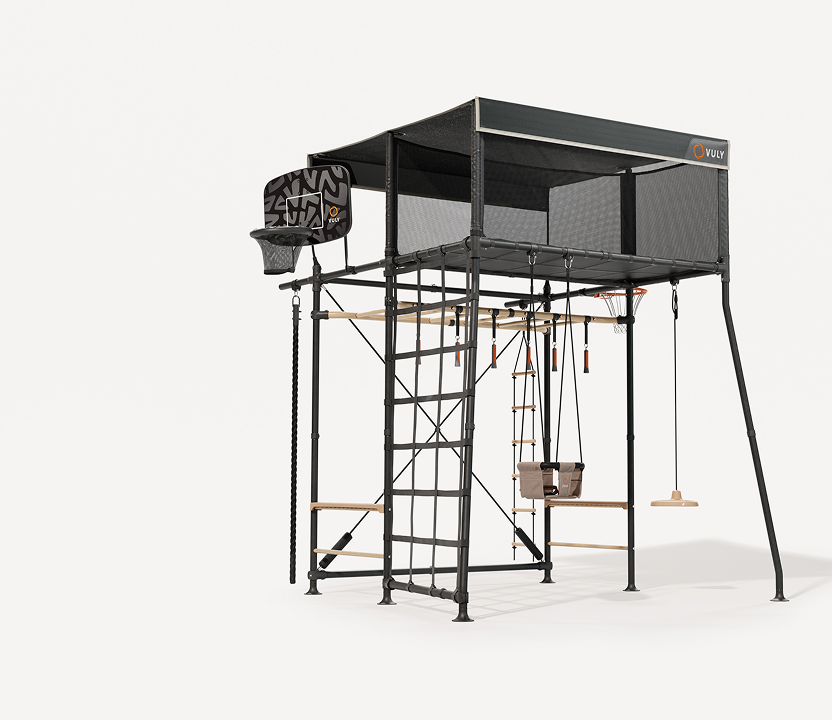
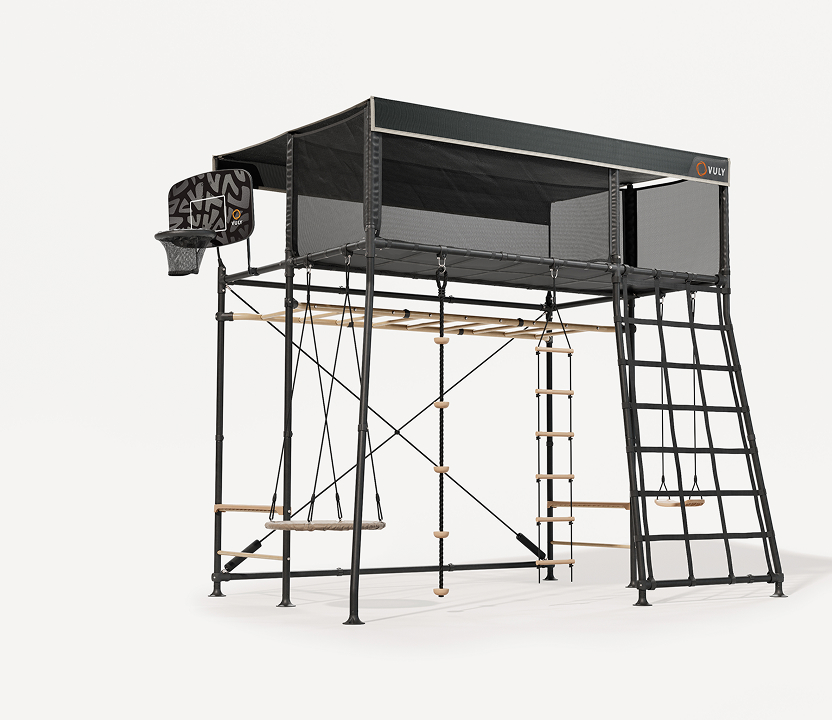
Where the Punching Ball sits on the play structure can affect how naturally children use it.
If it is placed near climbing or obstacle-style equipment, it can become part of a larger movement route.
If it is squeezed into an awkward space, children may be less likely to use it comfortably.
Parents should consider:-
- approach space
- room for the ball to move
- nearby accessories
- surrounding clearance
- how children move through the structure
Good placement should make the accessory easy to notice, approach and use.
What Does a Punching Ball Add to Backyard Play?
Its value comes from the combination of movement and immediate feedback.
Children can see the result of what they do straight away.
That can encourage:-
- aiming
- reaction
- coordination
- repeat play
- self-created challenges
- independent play
- obstacle-course games
It is a simple accessory, but the play does not have to stay simple.
Did You Know?
Punching Ball or Boxing Bag?
Same thing, right? …Nah, mate.
Think of it this way:-
Punching Ball: “Catch me if you can!”
Boxing Bag: “Go on then, have a crack.” 😂
So if the kids are bouncing around throwing punches at the backyard ball, they're not training for the Olympics just yet… but they're definitely burning some energy.