












Monkey Bars Around the World: Different Names Explained
Hang On, Little Monkeys!
Remember those school playground days when the biggest challenge wasn't maths homework, but making it from one end of the monkey bars to the other?
One bar. Two bars. Three bars.
"Oi, bet you can't reach the other side!"
And just like that, the challenge was on.
Some of us made it across like little champions. Others dropped halfway, dusted ourselves off and gave it another crack.
From school playgrounds to backyard adventures, monkey bars have been turning ordinary afternoons into climbing challenges for generations.
But here's something you might not know.
Not everyone around the world calls them monkey bars!
Some call them jungle gyms. Others know them as climbing frames. And in some countries, the names sound completely different.
So, hang tight! We're taking a little trip around the world to discover the history, different names and fun facts behind this classic childhood favourite.
What Are Monkey Bars?
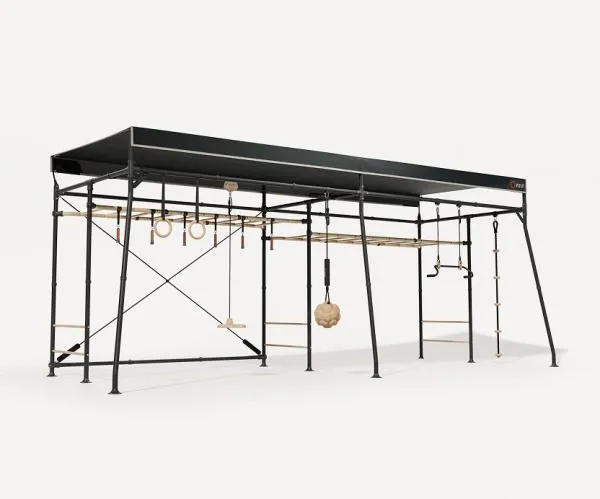
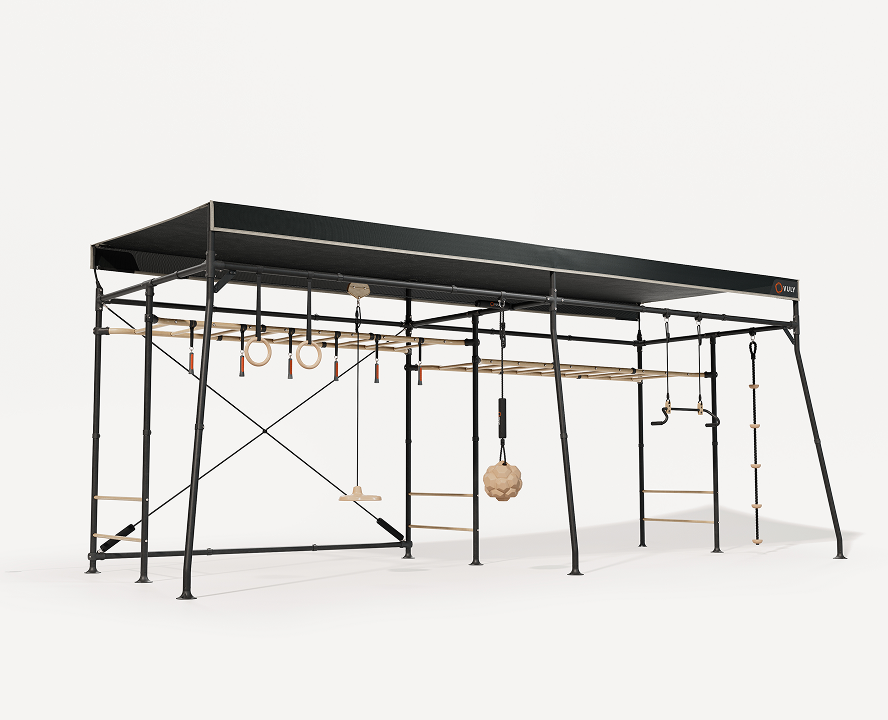
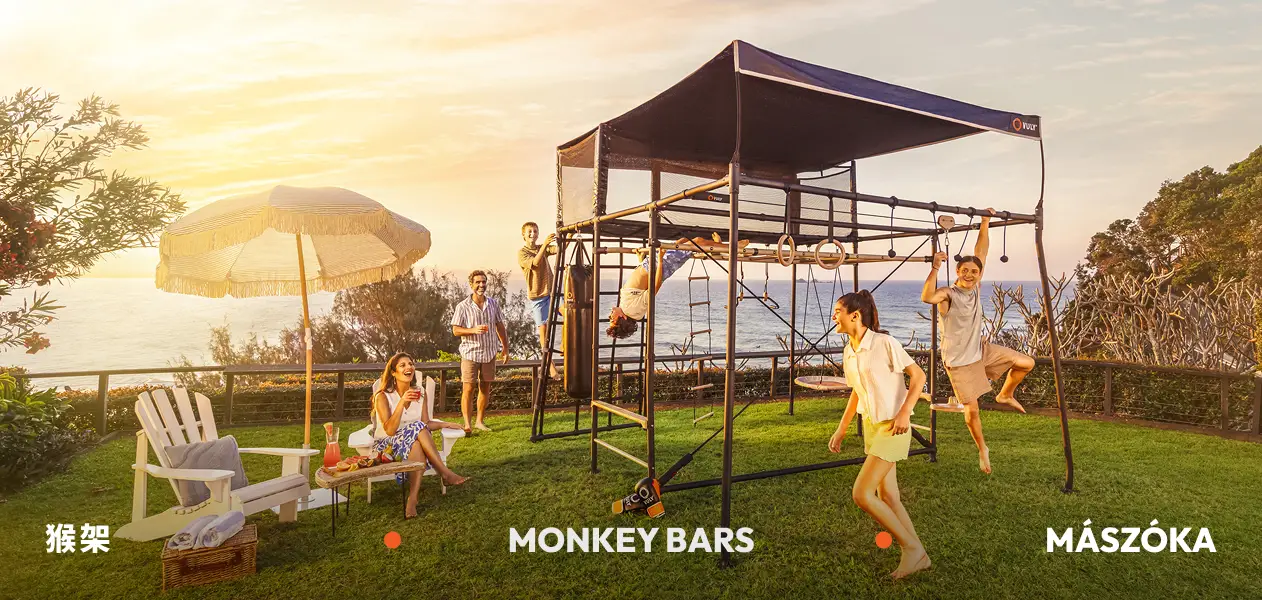
Monkey bars are playground equipment made from a series of horizontal bars that children can hang from, climb across and move along using their hands. They are commonly found in school playgrounds, public parks and family backyards.
According to the Cambridge Dictionary's definition of monkey bars, the equipment consists of a framework of bars that allows children to climb, hang and move between bars.
Pretty simple, right?
But don't let that simple design fool you.
One moment, you're hanging there wondering if your arms will survive. The next, you're feeling like the king or queen of the playground.
And that's the magic of monkey bars.
Why Are They Called Monkey Bars?
Have you ever watched monkeys moving through the trees?
They climb, hang, swing and move from branch to branch with impressive agility.
That's the inspiration behind the name.
As explained in Smithsonian Magazine's history of monkey bars, the original jungle gym design was inspired by children moving through a climbing structure in a way that resembled monkeys travelling through treetops.
The name reflects the playful, climbing movements associated with monkeys.
And let's be fair. When kids start hanging upside down, climbing across frames and showing off their latest tricks, the comparison makes plenty of sense!
Who Invented Monkey Bars?
Here's a fun fact for the next family trivia night.
The modern playground climbing structure associated with monkey bars traces back to Sebastian Hinton, an American inventor and patent attorney.
According to Smithsonian Magazine, Hinton was inspired by a climbing structure his mathematician father had built during his childhood.
His father had originally created the structure to help his children understand three-dimensional space.
But the kids?
They were far more interested in climbing all over it!
Hinton later developed his own playground climbing frame, receiving a US patent on 23 October 1923.
You can even explore the original 1923 climbing structure patent.
A later version of Hinton's invention included an overhead climbing runway similar to the monkey bars we recognise today, as described in research published in Evolution, Medicine, and Public Health.
What began as a way to explore mathematics eventually helped inspire generations of playground adventures.
Not bad for a childhood climbing experiment!
What Are Monkey Bars Called Around the World?
Monkey bars might look familiar in playgrounds across different countries, but the terminology isn't always the same.
Depending on where you grow up, you might hear monkey bars, jungle gym or climbing frame.
Some terms refer to the overhead bars specifically, while others describe a larger climbing structure.
What Do English-Speaking Countries Call Monkey Bars?
In Australia, monkey bars is a familiar name for the overhead climbing equipment found in schools, parks and backyards.
In the United States, you might also hear the term 'monkey bars' or 'jungle gym', although it typically describes a larger climbing frame rather than just the overhead bars.
Across the United Kingdom, climbing frame is a particularly familiar expression but monkey bars possible.
According to the Collins English Dictionary, British English commonly uses climbing frame for certain playground climbing structures.
The Cambridge Dictionary's entry for jungle gym also identifies climbing frame as its British English equivalent.
Different names, similar playground adventures!
How Do Other Languages Describe Monkey Bars?
Beyond English-speaking countries, playground equipment has different names depending on the local language.
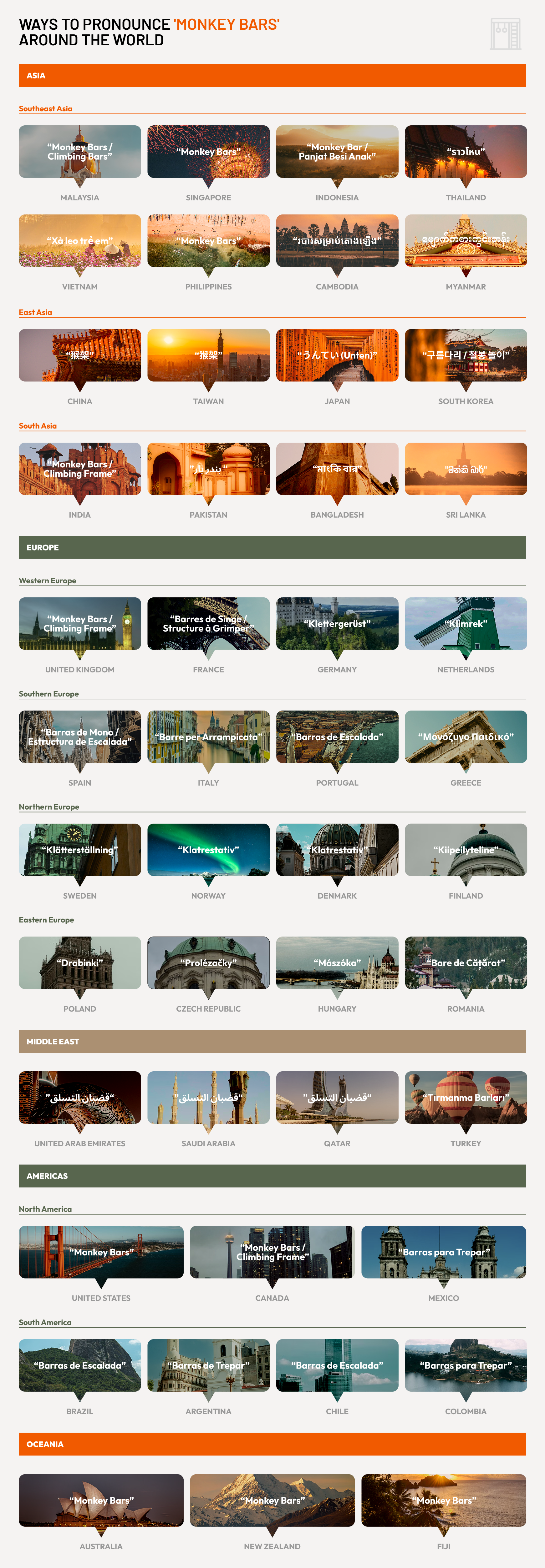
These are examples of related climbing-equipment terminology, not exact translations of overhead monkey bars in every case.
In fact, the Cambridge Dictionary's Japanese translation of jungle gym uses ジャングルジム, showing how some countries have adopted English-inspired playground expressions.
Different languages. Different playgrounds.
But the excitement of reaching the last bar?
That's something kids everywhere can understand.
Why Do Kids Love Monkey Bars?
There's something special about monkey bars.
Maybe it's the challenge of reaching the next bar.
Maybe it's the excitement of finally making it across.
Or perhaps it's the satisfaction of proving to your mates that you really can do it!
But monkey bars offer more than just a good laugh.
They also encourage movement, physical activity and opportunities to build confidence through play.
What Are the Benefits of Monkey Bars for Kids?
According to Australia's Healthdirect guidance on physical activity for children, climbing on monkey bars is an example of an activity that strengthens muscles and bones.
Monkey bars can also encourage children to practise several physical skills.
- Grip and upper-body strength
Holding onto the bars and moving between them challenges the muscles in the hands, arms, shoulders and upper body.
- Coordination and body awareness
Moving from one bar to the next requires children to coordinate their grip, body movement and timing.
- Balance and movement
Climbing activities give children opportunities to explore different movements while learning how to control their bodies.
- Confidence and perseverance
Reaching a new bar or completing a climbing challenge can give children a sense of achievement.
The Australian Raising Children Network also explains that physical play, including climbing over playground equipment, helps preschoolers develop coordination and balance.
Of course, kids probably aren't thinking about physical development when they're hanging from the bars.
They're thinking:-
"Just. One. More. Bar!"
And sometimes, that little victory means everything.
Can Monkey Bars Be Part of a Bigger Backyard Playground?
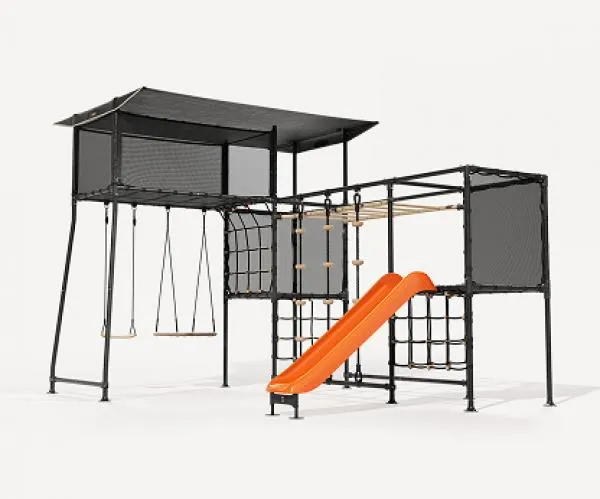
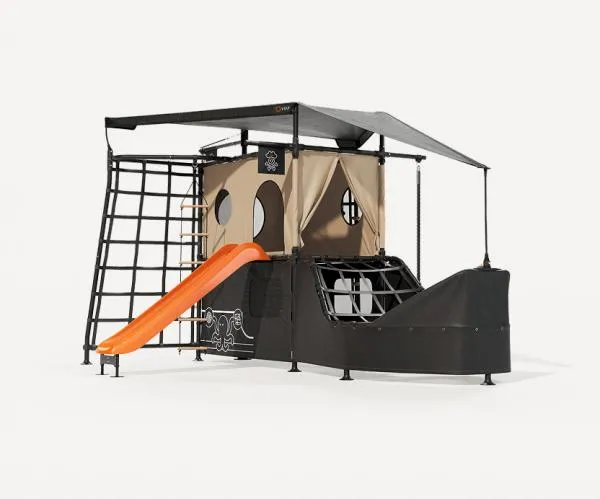
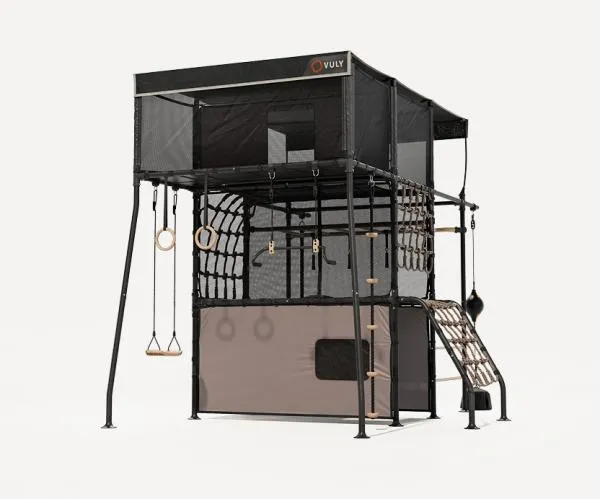
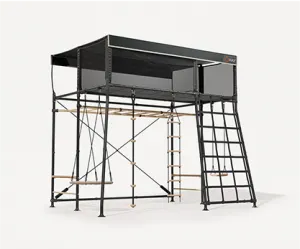
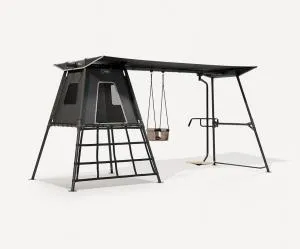
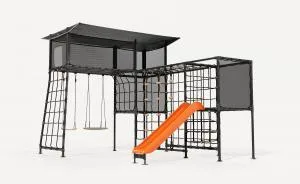
Monkey bars can be enjoyed on their own or incorporated into a larger backyard play area.
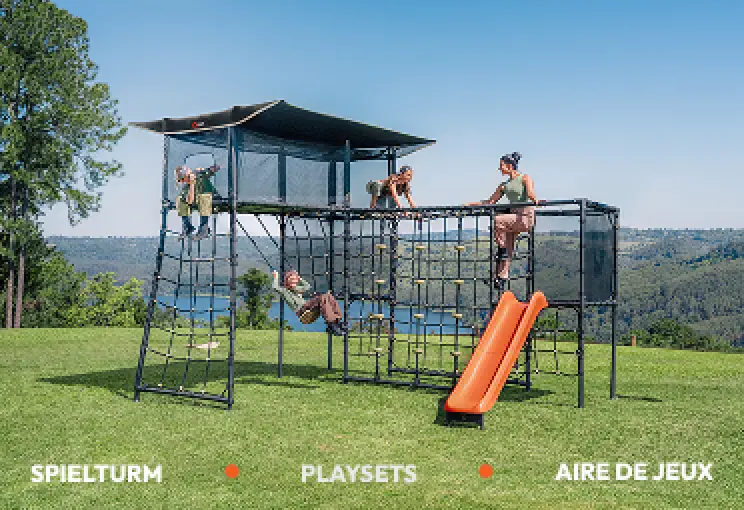
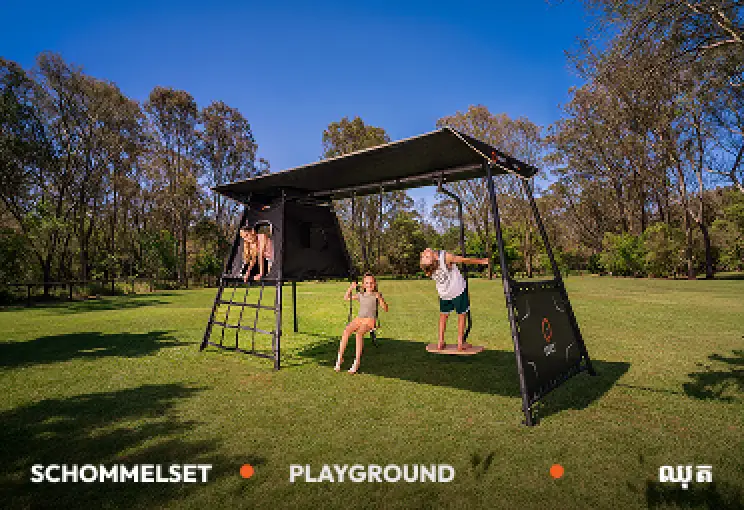
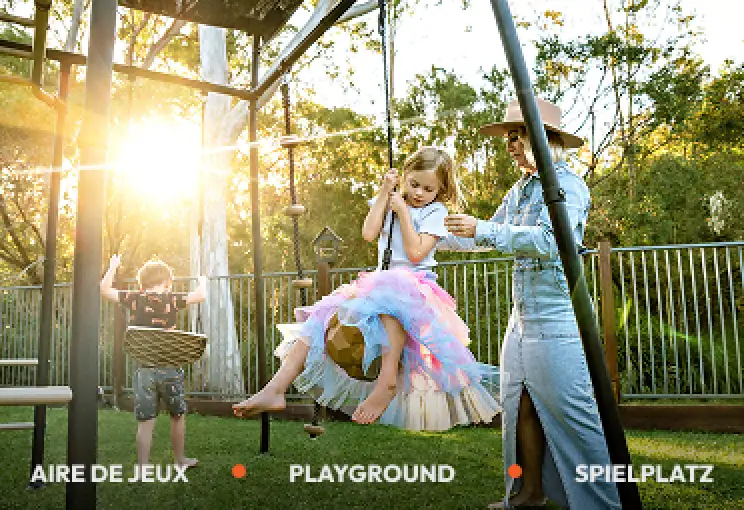
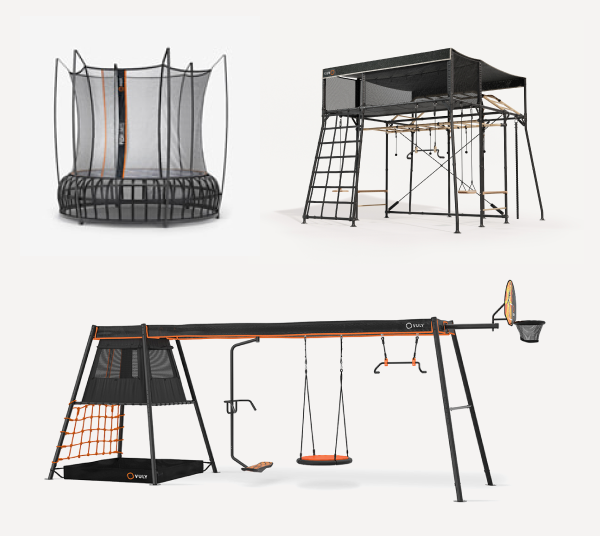
Some families combine climbing activities with swing sets or playsets to give children a variety of outdoor activities.
From climbing challenges to imaginative adventures, each piece of equipment offers a different way to play.
Because a great backyard isn't measured by how much equipment you can squeeze into it.
It's about creating a space where kids can explore, play and make memories.
Made it across the monkey bars? Well done, little legend!
But the adventure doesn't have to stop there.
Wondering how it all connects? Hang around and explore what playgrounds are called around the world.
A Little Childhood Memory From the Author:-
One bar, two bars, three bars… THUD! Down I went again! I still remember falling, getting back up and trying until I finally made it across. Here's AUD $15 off to start their adventure!
Apply code [V U L Y D I G E S T] and let the memories begin.
Those little challenges became unforgettable childhood memories.
Now it's the next generation's turn!