












What Is a Trampoline? Different Names Around the World
Bounce, Bounce! Who Said We Ever Had to Grow Up?
Remember those childhood afternoons when the backyard became your very own jumping kingdom?
One bounce. Two bounces. Three bounces.
"Mum, watch how high I can jump!"
And before you knew it, the afternoon had disappeared into endless giggles, wobbly landings and one more bounce before dinner.
From classic backyard trampolines to today's modern designs, bouncing has been bringing families together for generations.
But have you ever wondered who invented the trampoline, where its name came from or what people around the world call it?
Well, jump right in! We're taking a little bounce through history, language and childhood memories.
What Is a Trampoline?
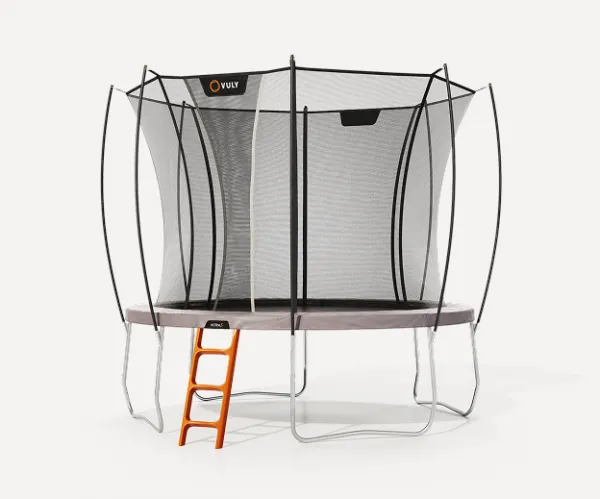
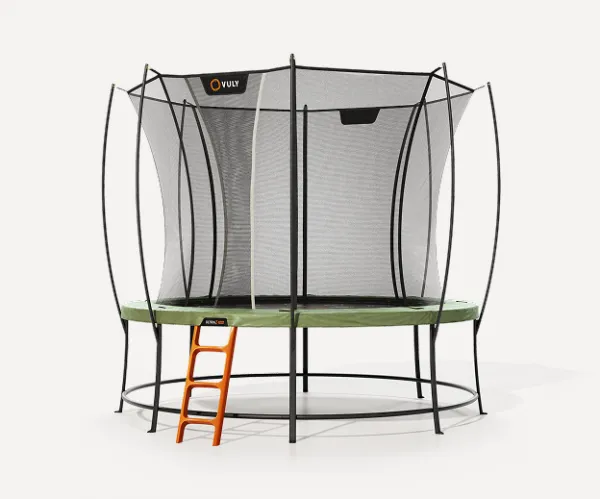
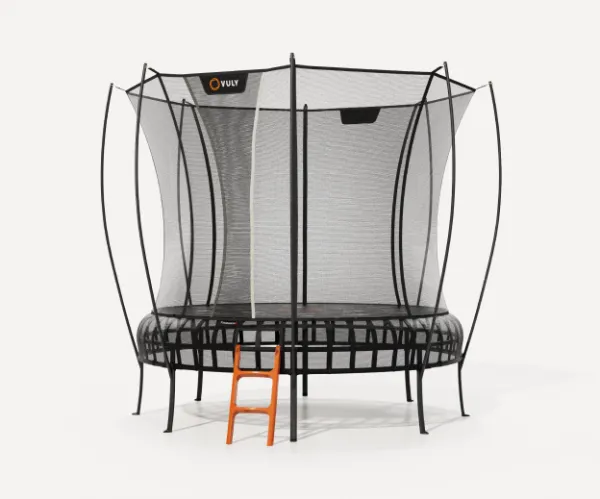
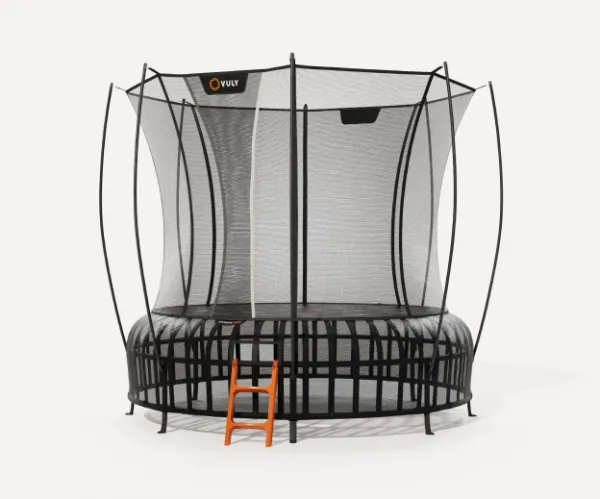
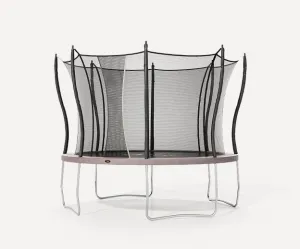
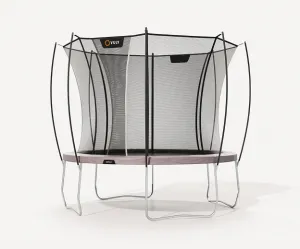
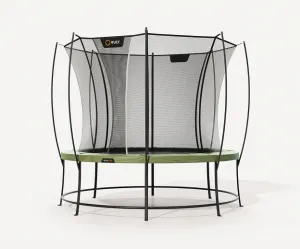
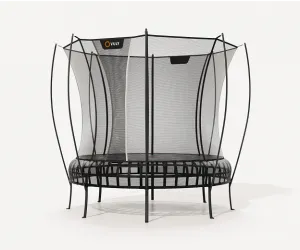
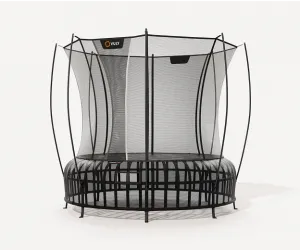
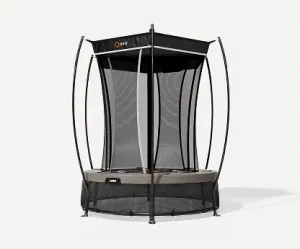
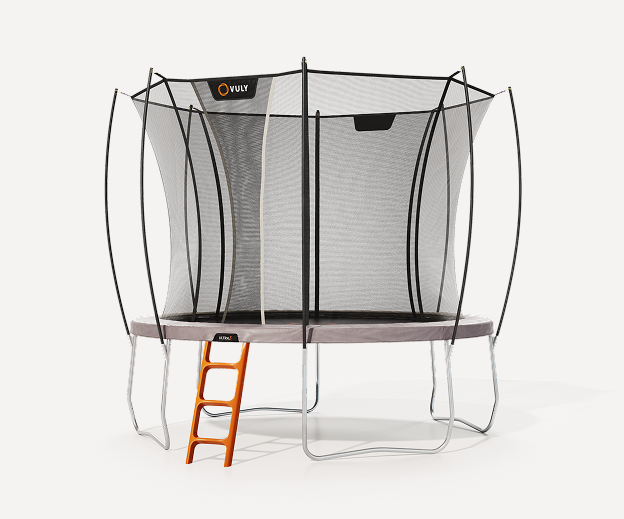
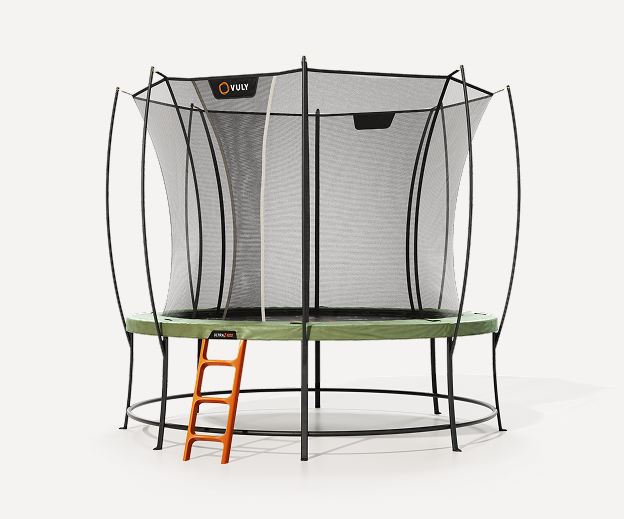
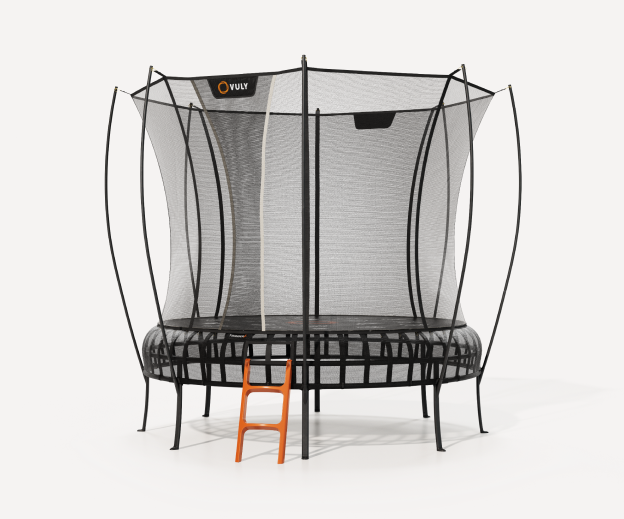
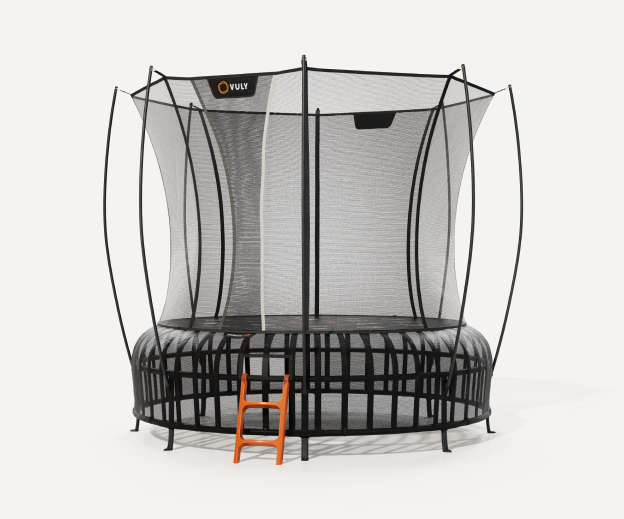
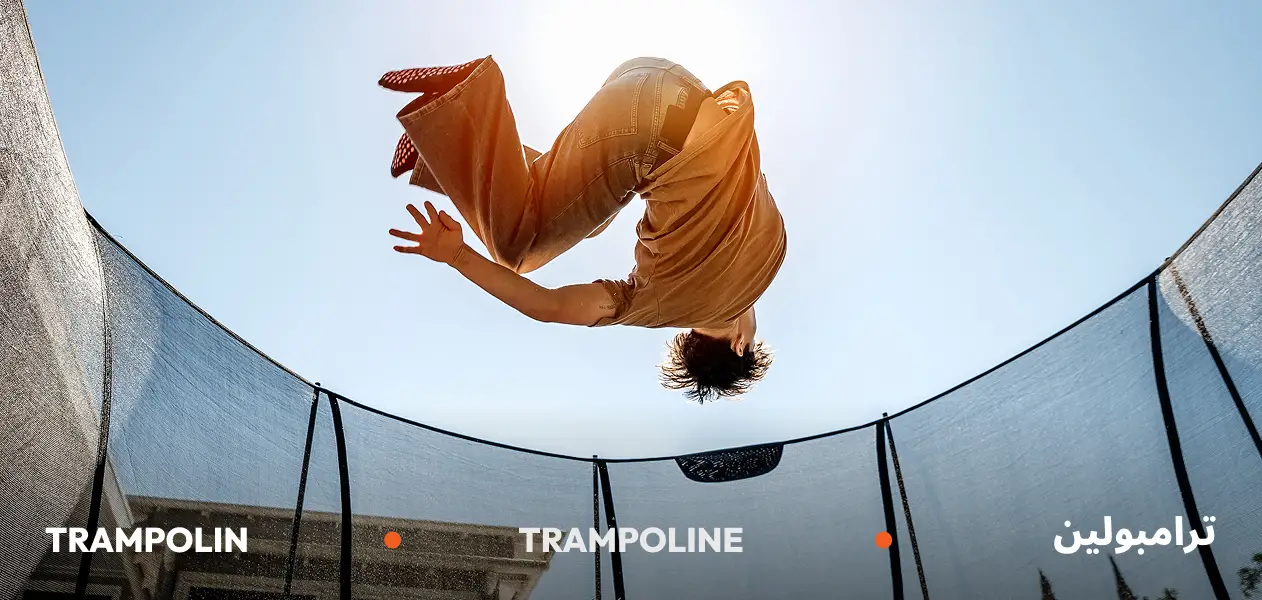
A trampoline is a piece of recreational or sporting equipment featuring a strong, flexible jumping surface supported by a frame.
It allows users to bounce up and down by storing and releasing energy through springs or other flexible support systems.
According to the Cambridge Dictionary, a trampoline is equipment designed for jumping, traditionally made with strong material attached to a frame by springs.
Trampolines can be found in family backyards, gymnastics centres, schools and specialised sporting facilities.
Some are designed for recreational bouncing, while others are used by trained athletes.
The idea is simple: a little bounce can bring a whole lot of excitement!
Where Does the Word 'Trampoline' Come From?
Here's a fun language fact!
The name trampoline is connected to the Spanish word trampolín, meaning springboard.
According to World Gymnastics, American gymnast George Nissen adopted the name after developing his early bouncing apparatus.
So, while the modern trampoline became famous in America, its name has Spanish roots.
Who would've thought a word from another language would become such a familiar part of backyard life?
Who Invented the Modern Trampoline?
The modern trampoline owes much of its development to George Nissen and Larry Griswold, who created an early working design in the 1930s.
According to Smithsonian Magazine's history of the trampoline, Nissen was inspired after watching circus performers bounce on safety nets.
He wondered whether it was possible to create equipment that would allow people to bounce repeatedly.
Together with Griswold, he developed a successful prototype in 1934.
What began as an experiment eventually became equipment used for recreation, gymnastics and specialist training.
And here's something even more surprising!
The University of Iowa explains that trampolines were eventually used to help train athletes and astronauts.
From backyard fun to space-related training?
That's quite a leap!
When Did Trampolining Become an Olympic Sport?
Here's a little Aussie connection.
Trampolining made its Olympic debut at the Sydney 2000 Olympic Games.
According to World Gymnastics, trampoline gymnastics officially joined the Olympic programme in Sydney.
An invention inspired by circus performers eventually became an Olympic sport, with athletes competing on the world stage right here in Australia.
Not bad for something that began with the idea of bouncing!
What Are Trampolines Called Around the World?
Unlike some playground equipment, the word 'trampoline' is remarkably recognisable across many English-speaking countries.
However, when we travel beyond English, things get a little more interesting.
What Do English-Speaking Countries Call Trampolines?
Across these countries, the equipment is generally called a trampoline.
The differences often come from the words people use to describe where or how it is used.
In Australia, we might talk about a backyard trampoline.
In Britain, families may use garden trampoline.
And in America, backyard trampoline is also a familiar expression.
Different backyards. Same bouncing fun!
What Do Other Countries Call a Trampoline?
Around the world, some languages have adopted a word similar to trampoline, while others use completely different expressions.
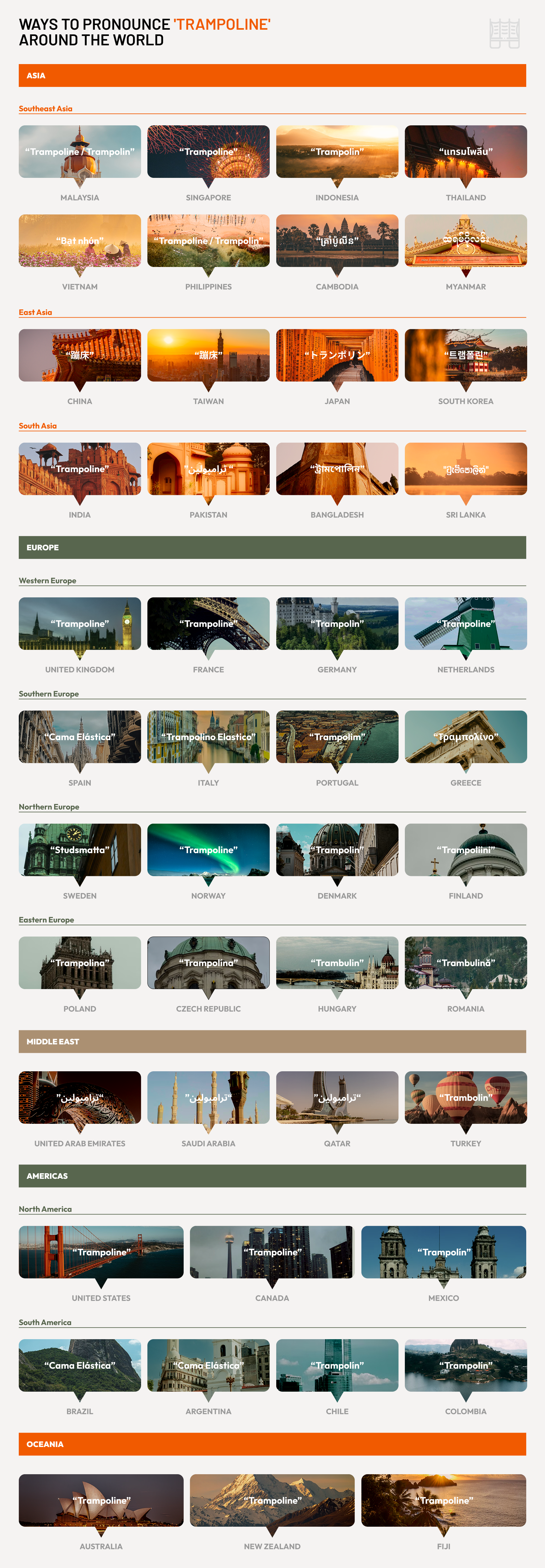
For example, Cambridge Dictionary's multilingual translations include 蹦床 in Chinese, trampolín in Spanish, trampoline in French and Trampolin in German.
Some countries have adopted similar-sounding words, while others describe the equipment differently.
But one thing stays the same.
Whether you're bouncing in Australia, France or Japan, that moment of excitement when your feet leave the mat needs no translation.
Why Do Kids Love Trampolines?
There's something about bouncing that never seems to get old.
Maybe it's the feeling of briefly floating in the air.
Maybe it's the laughter after a slightly wobbly landing.
Or maybe it's simply the excitement of doing something active outside.
For kids, a trampoline can turn an ordinary afternoon into a backyard adventure.
What Are the Benefits of Trampoline Play for Kids?
Jumping on a trampoline provides opportunities for physical movement and active play.
Bouncing involves several physical skills, including balance, coordination, body control and the use of leg muscles.
As children learn basic jumps, they can practise controlling their movements and landing positions.
The Australian Government's Product Safety Australia recognises trampolines as equipment for outdoor play and exercise, while also highlighting the importance of supervision and safety precautions.
Of course, children aren't thinking about coordination when they're bouncing.
They're probably thinking:-
"Just one more jump!"
And that's part of the fun.
Why Are Trampolines a Backyard Favourite in Australia?
Remember when school finished and the first thing you wanted to do was race outside?
No phones. No scrolling.
Just your backyard, a little sunshine and plenty of imagination.
For many families, trampolines have become a familiar part of outdoor play.
They offer a place where children can enjoy physical activity close to home, with appropriate supervision.
And the experience doesn't need to be complicated.
Sometimes, a few gentle bounces are enough to bring a smile.
Can Trampolines Be Part of a Bigger Backyard Play Area?
A trampoline can be a standalone backyard favourite or part of a larger outdoor play space.
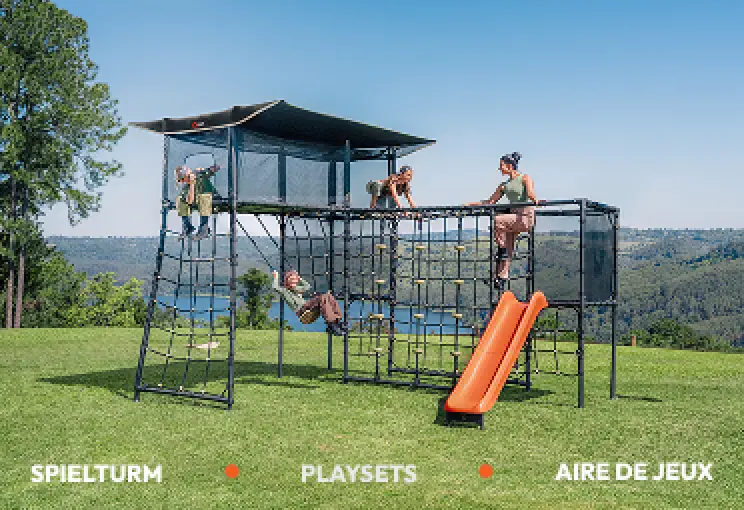
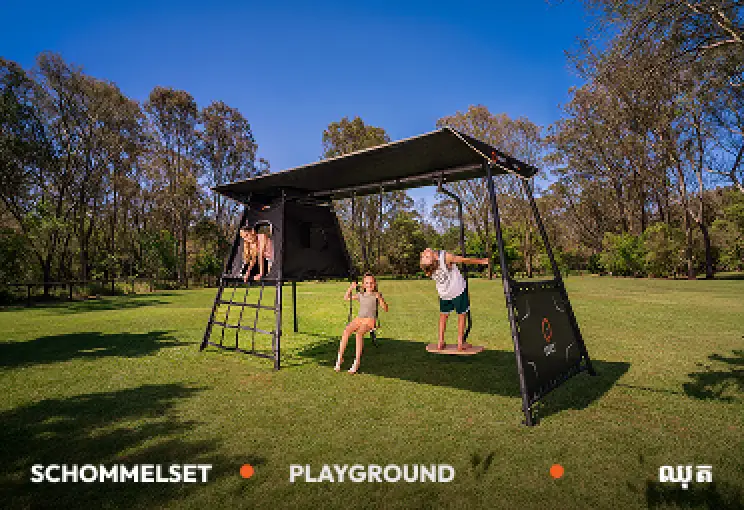
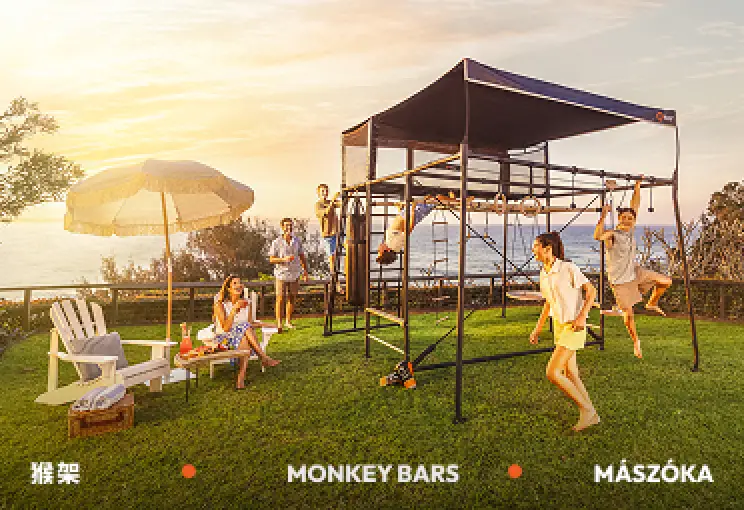
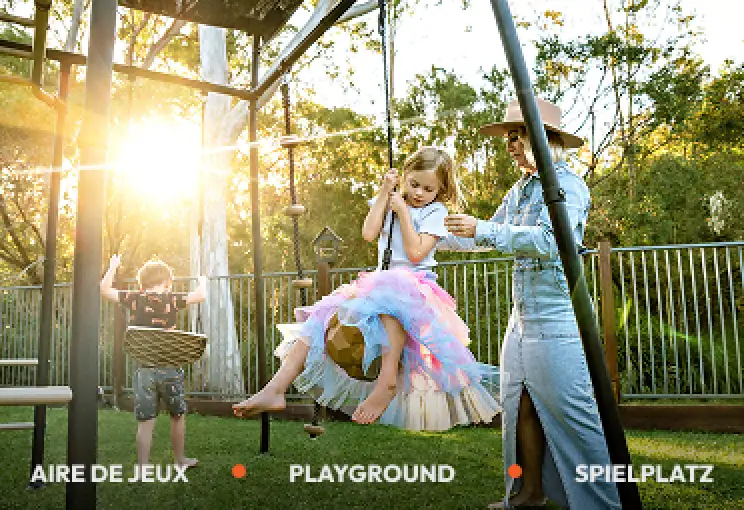
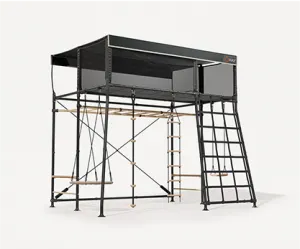
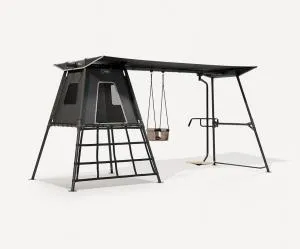
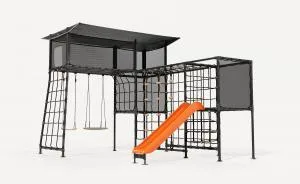
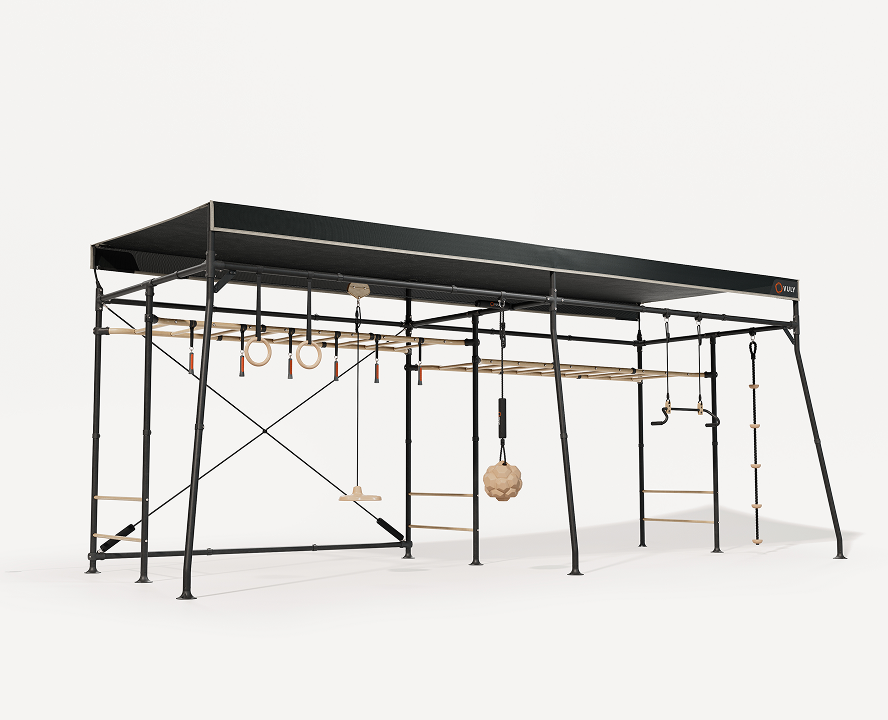
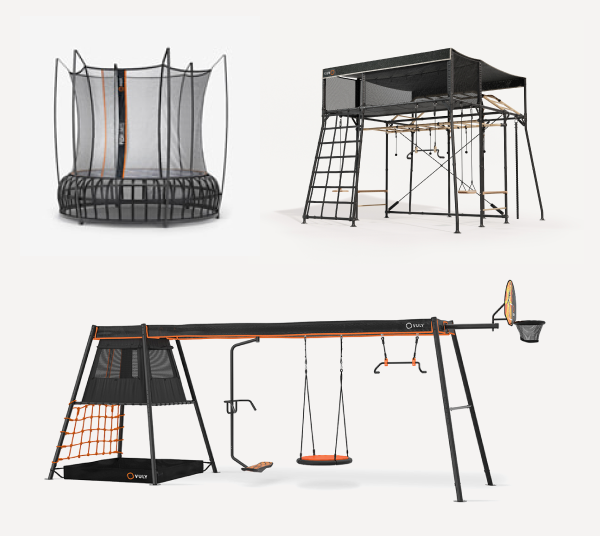
Families might also explore swing sets, monkey bars and playsets to offer different outdoor play experiences.
Each has its own way of encouraging movement, imagination and adventure.
Curious about the different kinds of playground equipment?
Explore our article about what playgrounds are called around the world.
Because the best backyard isn't necessarily the biggest.
It's the one where little moments become lasting memories.
Trampolines might steal the show with every jump, but they're just one part of the wonderful world of outdoor play!
Curious how playgrounds have evolved and what people around the world call them?
Take a little bounce over to our guide on what a playground is and its different names around the world.
A Little Childhood Memory From the Author
One bounce, two bounces, three bounces… and PLOP! Down I went! I still remember those childhood afternoons, laughing at my wobbly landings and getting up to try another bounce.
And here's a little something to start their adventure. Enjoy AUD $15 off with promo code [V U L Y D I G E S T] because the best childhood memories often begin with the simplest little moments.
Back then, a simple trampoline felt like my whole adventure world. Funny how those little moments became memories I'll never forget. Now it's the next generation's turn to bounce, laugh and make memories of their own!