










Autism Trampoline – Rebound Therapy for Autistic Children
While trampolines provide fun and entertainment for kids of all ages, they can also be an effective tool in addressing child behaviour and fostering positive mental health.
In addition, they can greatly assist children with special needs. Trampoline therapy for autism provides a range of benefits, whether at home in the backyard or under the guidance of an occupational therapist.
We are big advocates of this and regularly donate to services providing support for autism. View our sponsorship page to see if your organisation qualifies.
And don’t forget that even adults can reap the mental and psychical benefits of rebounding on the best trampolines around.
With your very own Vuly trampoline, you’ll soon discover that the motion of rebounding is not only addictive but also come with a range of positive side effects.
Autism and Trampolines
Bouncing on the trampoline is a fun way to both relax and stay active for almost every kid out there.
However, for some, trampolining can do so much more!
Children who sit along the autism spectrum can benefit from bouncing in many ways that other children do not.
Depending on your child’s needs, you can include the trampoline as part of their physical therapy.
In light of our support for a number of organisations that help children with autism, we want to talk about why and how bouncing on a trampoline can improve the lives of those children who need a little more care than most.

Improving Sensory Input
Many children with Autism Spectrum Disorder (ASD) experience physical issues related to interpreting impulses from muscles and joints, as well as sensitivity to movement and balance.
This is why some kids exhibit ‘odd’ limbic movements or are uncommonly responsive to touch.
A trampoline and the consistent up-and-down movement that it provides can be very beneficial.
It allows these kids to unconsciously teach their bodies how to interpret the signals being sent to their brains, being much more effective than the characteristic back-and-forth rocking and fidgeting prominent in those with ASD.
It also helps them work on their ability to control balance in a safe environment, improving their awareness of space and their bodies’ positioning within it.
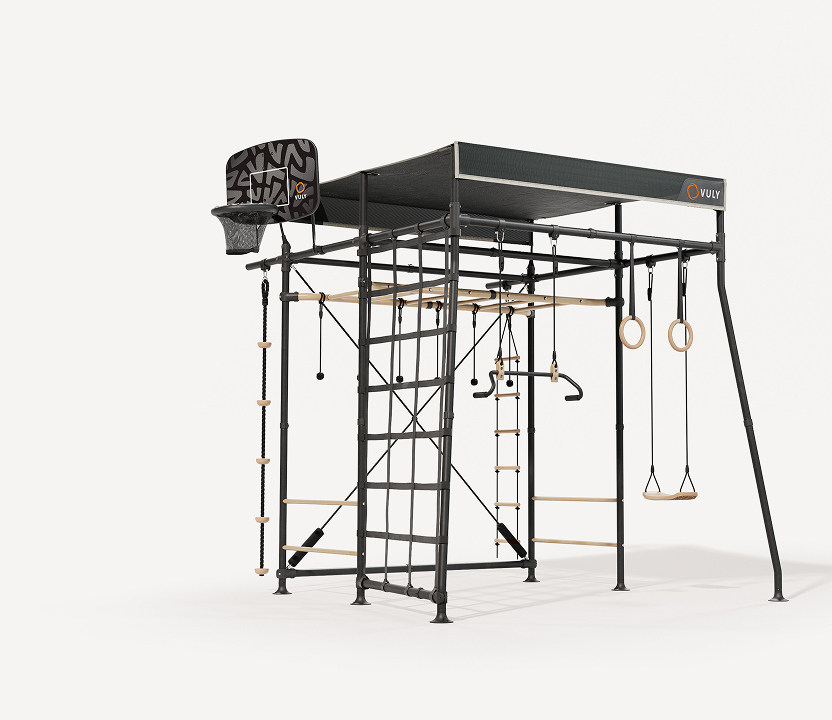
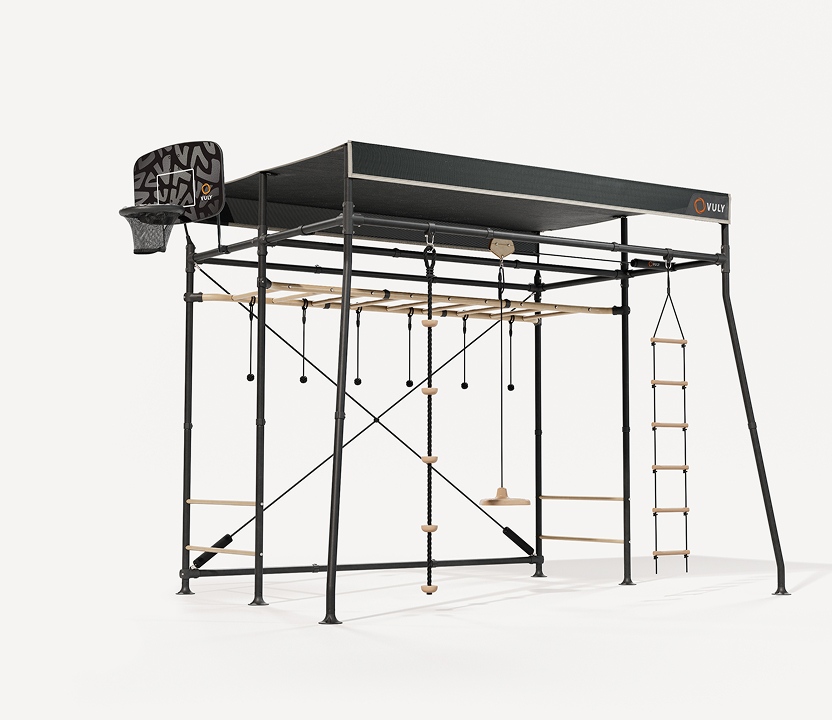
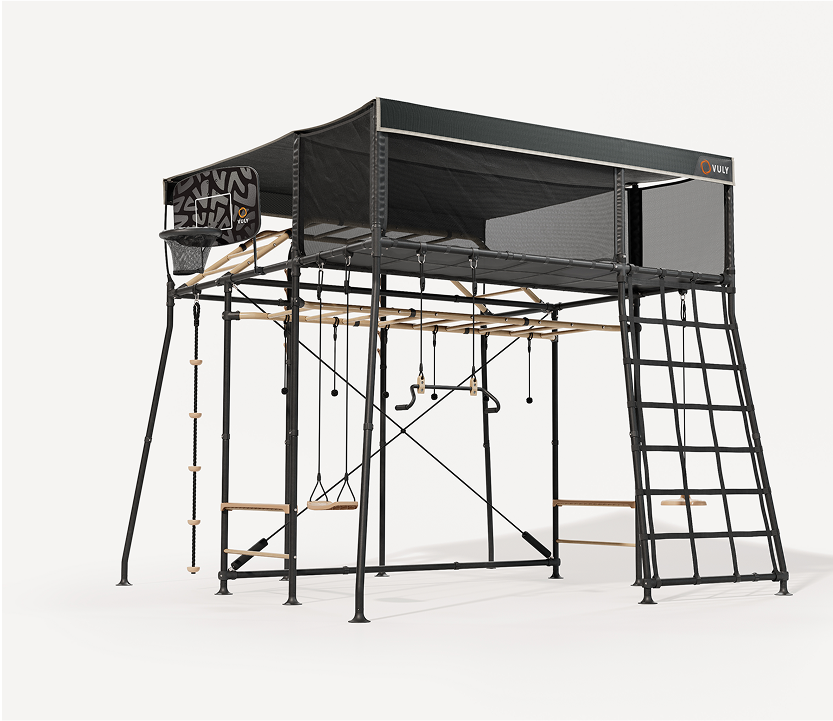
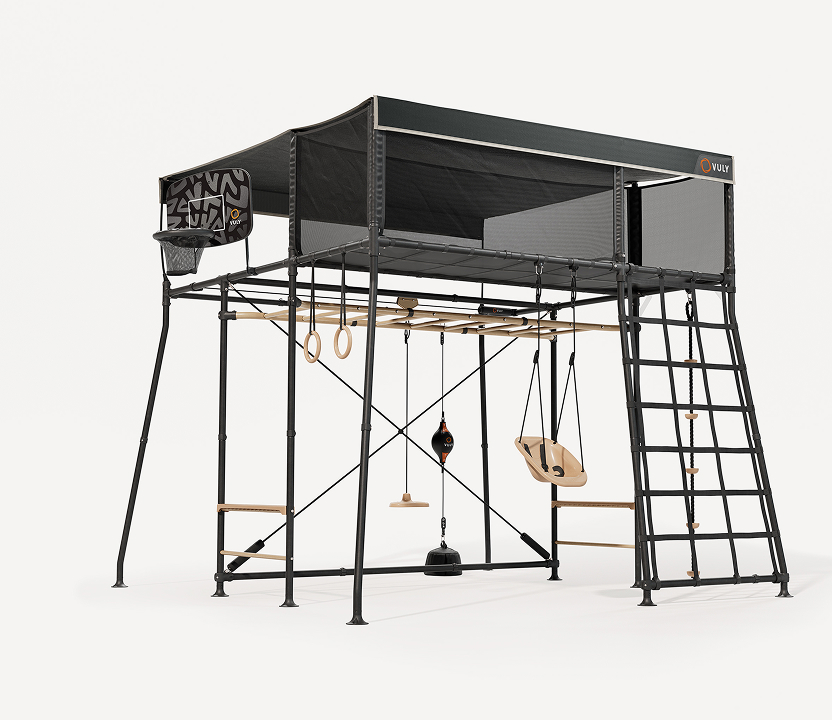
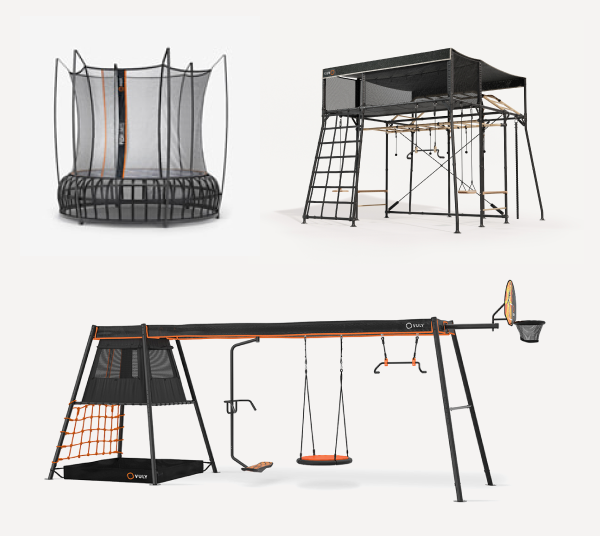
Note - Occupational therapists have been known to use other outdoor play equipment for this purpose, including swing sets and monkey bars - speak with one for more information if a trampoline isn't the right option.
Coping With Stress
If your child is finding it difficult to express their anxiety in a way that helps you to address it, it’s good to know that particular sensations can alleviate these feelings.
A bounce on the trampoline may be all that they need to calm them down.
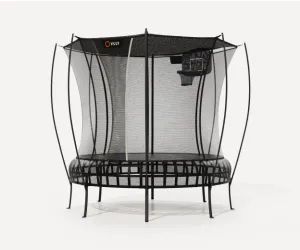
Trampolines, with attached shade covers, can also provide safe havens for special-needs kids who need calming spaces away from overwhelming stimuli.
If you don’t have much space, consider a small sized trampoline that is easy to move and put away when needed for this purpose.
Increasing Socialisation and Learning
Some along the autism spectrum have difficulty learning conventionally, and many find it hard to form relationships with their peers.
While a trampoline can help kids with ASD address their difficulties with sensory inputs, it can also allow them to more easily engage information and other people.
Reinforcing learning material with movement may help that knowledge stick — especially when paired with ‘games’ like Simon Says or chalk drawings on the mat.
Bouncing is also something that all kids no matter their capabilities.
It’s the ideal platform for special-needs children to interact with kids their own age.
See how a Vuly trampoline has helped the Kassambos family deal with autism
Trampolines and Mental Health
While regularly using a trampoline is beneficial for your entire body, it's also fantastic for mental wellness too! From endorphins to adrenaline, we give you a few reasons why your trampoline can give you peace of mind
Endorphines
Rebounding on a trampoline brings a sense of freedom to jumpers. Because there is an element of excitement and weightlessness that is unique to trampoline usage, the brain releases more endorphins than it would during other forms of exercise.
As the endorphins are released rapidly, they flow throughout the body. These substances act as the brain's natural painkillers and are known to be three times more powerful than morphine. In fact, endorphins resemble opiates in their ability to foster a feeling of wellness and make you feel energetic and fresh.
When elevated levels of endorphins are present, moods are naturally lifted and the body experiences a decreased sensitivity to pain.
Serotonin
Additionally, regular exercise like rebounding on a trampoline releases serotonin from the brain, a natural chemical substance that creates a sense of happiness and well-being. Serotonin also helps regulate moods and aids in sleeping better, calming anxiety, and relieving depression and negative feelings. Low levels of serotonin are widely credited to be the cause of most mild to moderate cases of depression.
Without serotonin naturally flowing through our bodies, we feel uneasy, fearful, worthless, insomniac, and lethargic!

Dopamine
And as if that is not enough, rebounding on a trampoline releases dopamine, which makes people more cheerful and alert. It also plays a crucial role in learning and memory retention and is commonly used to help patients with Parkinson 's Disease.
Dopamine influences brain processes that control the body's movement, its response to outside stimulation and the ability to experience both pain and pleasure. It's a central component of the brain's reward system and provides feelings of pleasure, motivating people to intentionally perform certain activities.
Further, help your child's dopamine to flow by adding some fun trampoline games into the mix!
Adrenaline
The motion of bouncing on a trampoline also releases adrenaline, a substance that provides users with a natural high. Adrenaline stimulates the sympathetic nervous system and makes the body feel more alert and aware of its surroundings. As a result, the heart beats faster and stronger and uses more oxygen. It stimulates the body's "fight or flight" response and gives the users a rush that is frequently not present in other sports or activities.
Addressing Child Behaviour Using a Trampoline
Have you ever thought of using your trampoline to address your child's behaviour? Like children themselves, behavioural problems that kids can exhibit are complex and varied. There are many different approaches you can take in dealing with this situation.
One proven method is the encouragement of physical exercise.
On a daily basis, physical activity is one method that can have a hugely positive impact on a child’s behaviour and wellbeing.
Is it a coincidence that the prevalence of troubling behaviour among our kids seems to be going up along with the number of hours that they're spending sitting down inside? We don't think so!
Outdoor play is crucial to raising children who are positive and well-balanced. Today, we look at bouncing through the lens of improving your child's behaviour and attitude.

A Place to Blow off Steam
When a child reaches boiling point, it can be difficult for them to see reason and calm themselves down.
Often, there is too much pent-up anger, with no clear way of releasing it, that results in a display of bad behaviour.
However, physical exercise can provide the release that the child is looking for!
Before you reach the point where you have to send your child to their room, send them to the backyard trampoline instead.
When they're so worked up, their trampoline can become a welcome distraction.
Not only does it give them something fun to do, but the physical nature of bouncing also helps release those angry emotions and flood their brain with happy endorphins.
A Sense of Freedom
Children who struggle to control their emotions often don’t respond well to being controlled.
Whether it’s by a parent, family member or teacher, it can be hard at times to have them not only listen but follow instructions and rules.
But with a trampoline, they have their very own space.
It can become a place of freedom, where they can decide what to do and how to do it..
Allow your child to choose a trick to learn — that's within their ability — or to create a bouncing routine.
This will give them the complete control that they often lack in their day-to-day life, which boosts self-confidence and feelings of self-worth.

No Judgement and a Feeling of Achievement
Unlike being at school, where your child is surrounded by rules, grades and the opinions of their peers, their trampoline can provide hours of entertainment without judgement.
They can set their own goals, decide for themselves whether they mastered a trick or not and not be embarrassed if they don't succeed — all while have a great time.
And once your child masters that trick, reaches that height or performs a routine without mistakes, they will develop a positive sense of personal achievement that they may lack elsewhere.
It’s vital for children to feel a sense of accomplishment and worthiness. Accomplishing goals that they set for themselves on the trampoline is a great way to achieve this.
Sources
Healthline – www.healthline.com
Hormone Health Network – www.hormone.org
WebMD – www.webmd.com
Brain Foundation – brainfoundation.org.au
Autism Speaks – www.autismspeaks.org
Autism Spectrum Australia – www.autismspectrum.org.au