
Key Highlights
-
Regulates the Nervous System: The repetitive, linear motion of swinging helps "reset" a child’s sensory system, providing a calming effect for those feeling overstimulated.
-
Develops the "Sixth Sense": Swinging provides critical input for the vestibular system, which governs balance, spatial awareness, and how kids navigate the world around them.
-
Boosts Focus and Attention: Just fifteen minutes of swinging can improve a child’s ability to concentrate on tasks like schoolwork by organising brain activity.
-
Builds "Hidden" Strength: Beyond the fun, swinging develops core stability, grip strength, and upper body coordination through proprioceptive input.
-
Inclusive Play for All Abilities: Swing sets are a top tier tool for children with ADHD, Autism, or Sensory Processing Disorder, offering a safe space for daily physical therapy at home.
As a former elite gymnast, I have spent decades studying how the human body moves through space. While most people see a swing set as a simple backyard toy, I see it as one of the most powerful tools for child development ever designed.
In the world of occupational therapy, swinging is more than just play, it is "sensory work." Whether your child is neurotypical or navigates the world with a neurodivergent perspective (such as ADHD or Autism), the rhythmic motion of a swing can be a game changer for their daily regulation.
Here is the science behind why swinging is a "must have" for your backyard.
1. The Vestibular System: The Sixth Sense
Most parents are familiar with the five senses, but the vestibular system is arguably the most important for a child’s development. Located in the inner ear, it tells the brain where the body is in relation to gravity.
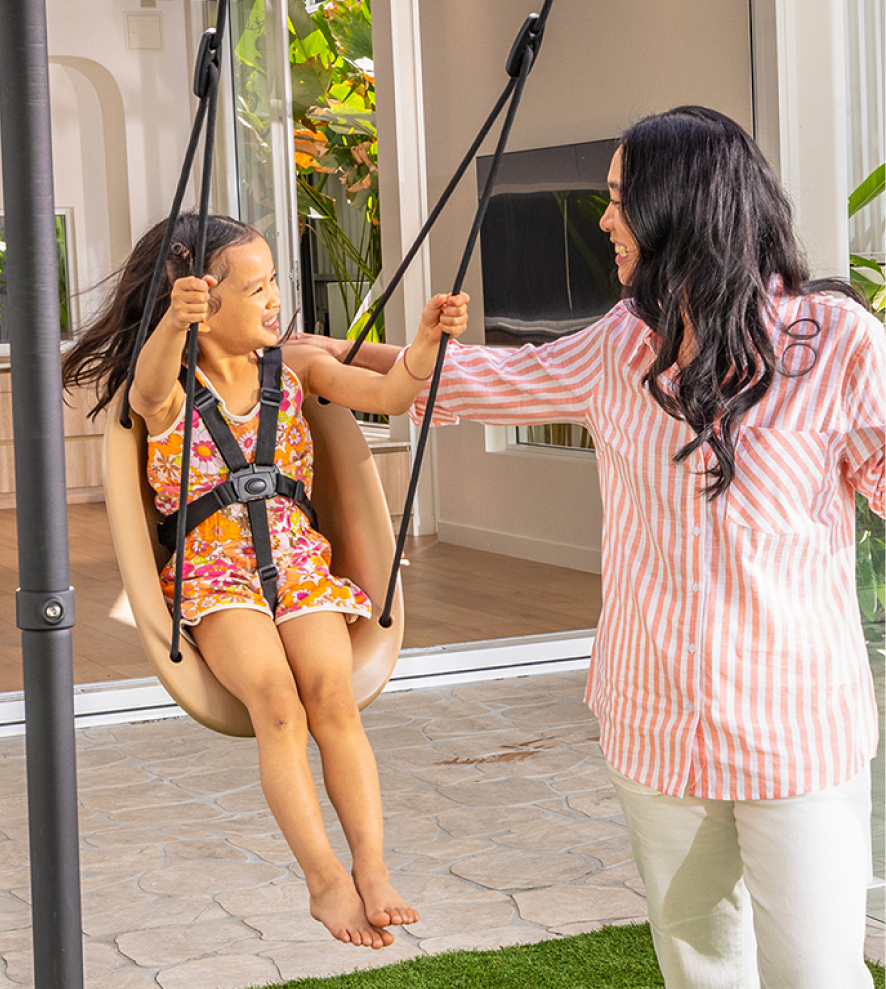
When a child swings, they are stimulating their vestibular receptors through linear motion (back and forth).
- The Benefit: This input helps kids develop better balance, posture, and spatial awareness.
- From a gymnastic perspective, a strong vestibular system is the foundation for all complex movement. Kids who swing regularly often find it easier to learn how to ride a bike or walk across a balance beam.
2. Sensory Regulation and the "Calming Effect"
Have you ever noticed how a fussy toddler or an overwhelmed school student becomes instantly calm on a swing? This is not a coincidence.
The repetitive, rhythmic nature of swinging acts as a regulator for the nervous system. For many children, particularly those with Sensory Processing Disorder (SPD), the world can feel "too loud" or "too fast."
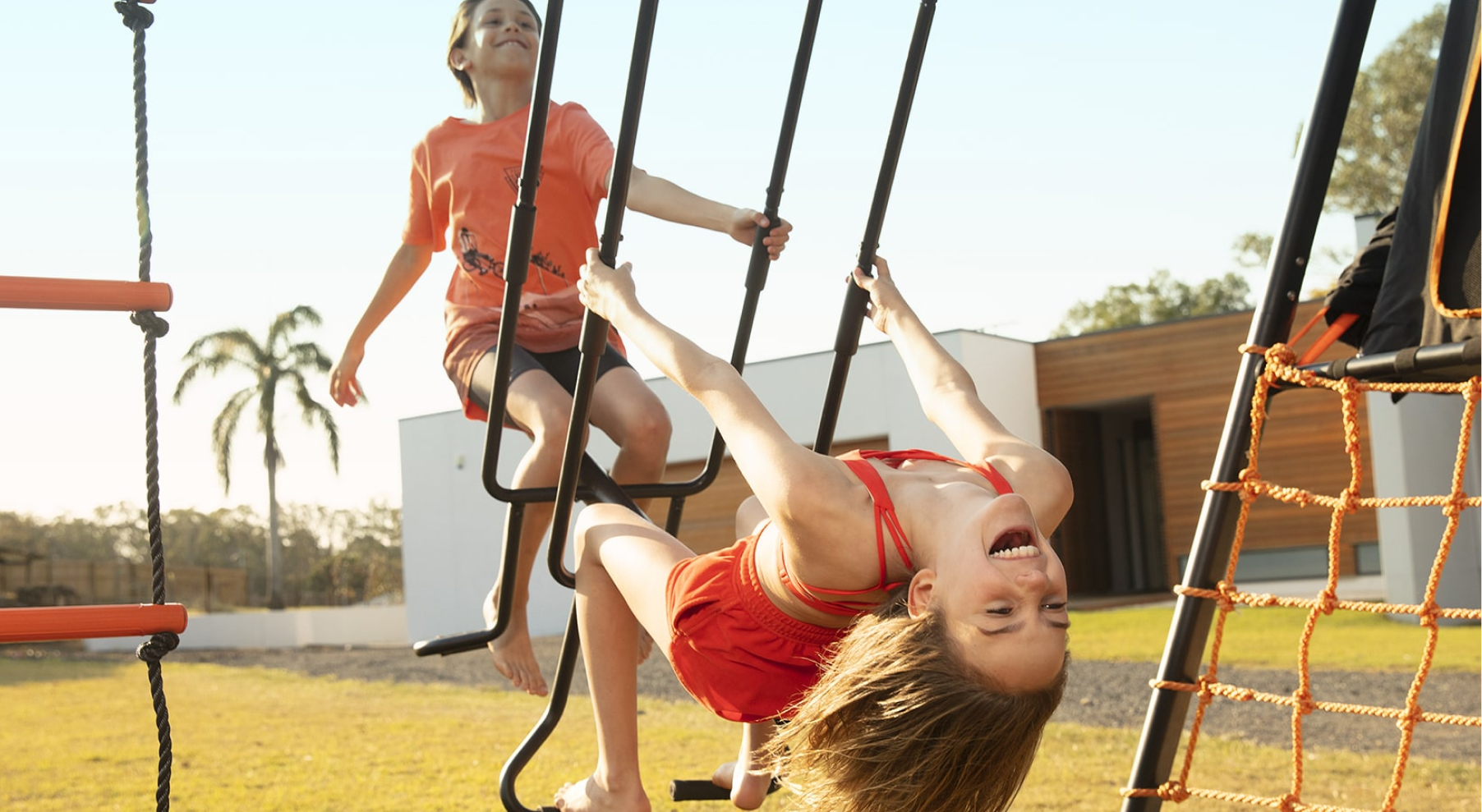
- Soothing the System: The back and forth motion helps "organise" the brain. It can lower heart rates and reduce feelings of anxiety.
- Focus and Schoolwork: Many occupational therapists recommend "sensory breaks" on a swing before sitting down for homework. The movement helps settle the body so the mind can focus on the task at hand.
3. Proprioception: Understanding Body Boundaries
Swinging is a full body workout that provides intense proprioceptive input. This refers to the sensations from our muscles and joints that tell us how much pressure we are using.
- Pumping the Swing: The act of leaning back and extending the legs requires coordinated muscle effort.
- Grip Strength: Holding onto the ropes or chains builds the hand and forearm strength necessary for fine motor skills, like holding a pencil or using cutlery.
- NDIS Support: At Vuly, we are proud to work with families through the National Disability Insurance Scheme (NDIS) in Australia and similar global support networks. We often see our Swing Sets and Monkey Bars used specifically to help children meet their physical therapy goals.
4. Choosing the Best Swing for Sensory Needs
Not every child enjoys the same type of movement. Some seek "big" motion, while others need a secure "cocoon."
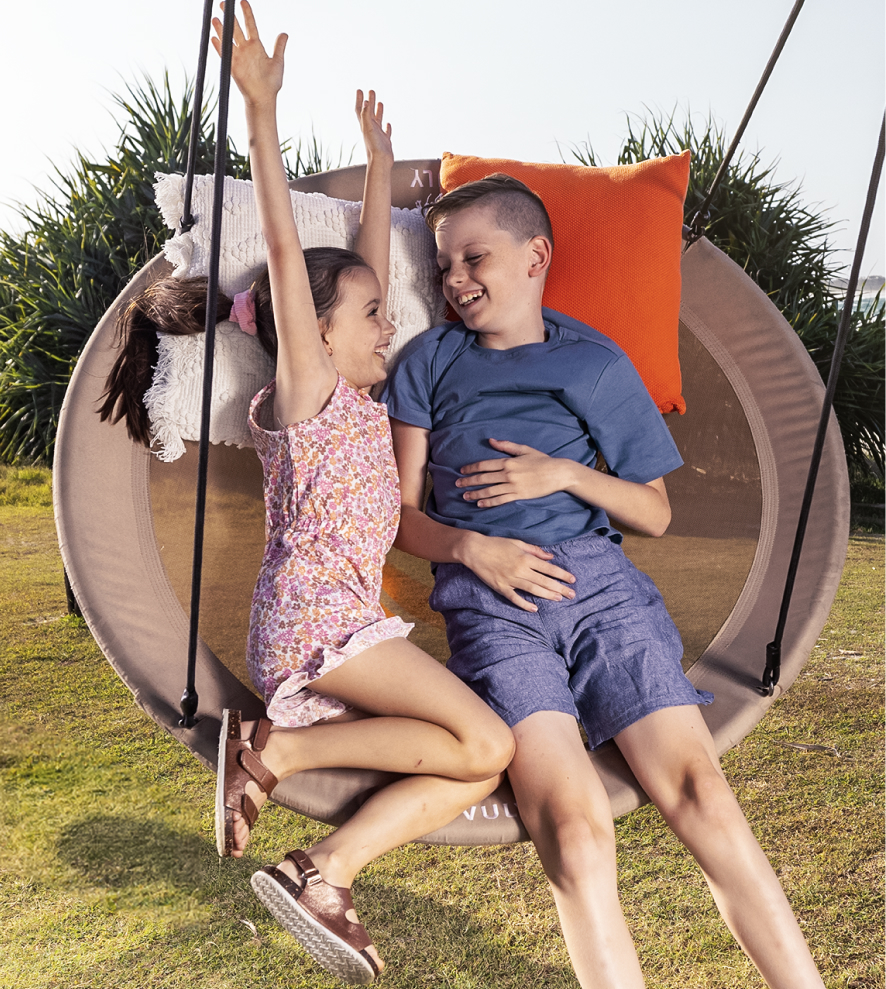
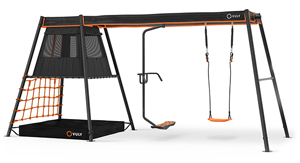
- The Nest Swing: This is a favourite for sensory seekers. Its large, flat surface allows kids to lie down on their tummies or backs, providing a different vestibular experience. It also allows for "shared play," which helps with social regulation.
- The Yoga Swing: For children who feel overstimulated, a yoga swing (available as an attachment for the Vuly 360 Pro) provides a "wrapping" sensation. This deep pressure touch is incredibly grounding for children who feel "scattered."
- The Classic Belt Swing: Great for building that core strength and practicing the "pump" motion that encourages independent play.
Professional Checklist for a Sensory Backyard
To turn your garden into a true sensory sanctuary, consider these three expert tips:
- Safety First: Ensure you have adequate soft fall or a clear "swing arc" to prevent collisions. A child in a "sensory zone" should feel safe to close their eyes and enjoy the motion without fear of hitting an obstacle.
- Visual Calm: If your child is easily overstimulated, try to place the swing set in a quieter corner of the garden away from high traffic areas or noisy air conditioning units.
- Encourage Variety: Don't just stick to the standard seat. Swapping attachments keeps the sensory input "fresh" and helps the brain continue to map new movement patterns.
Final Thoughts
At Vuly, our philosophy is that play is the work of childhood. By providing a high quality swing set, you aren't just giving your kids a way to burn off energy; you are giving them a tool to regulate their emotions and strengthen their bodies.
Whether it is for ten minutes of "calming time" after school or an afternoon of high flying fun, the benefits of swinging last long after they have hopped off the seat.
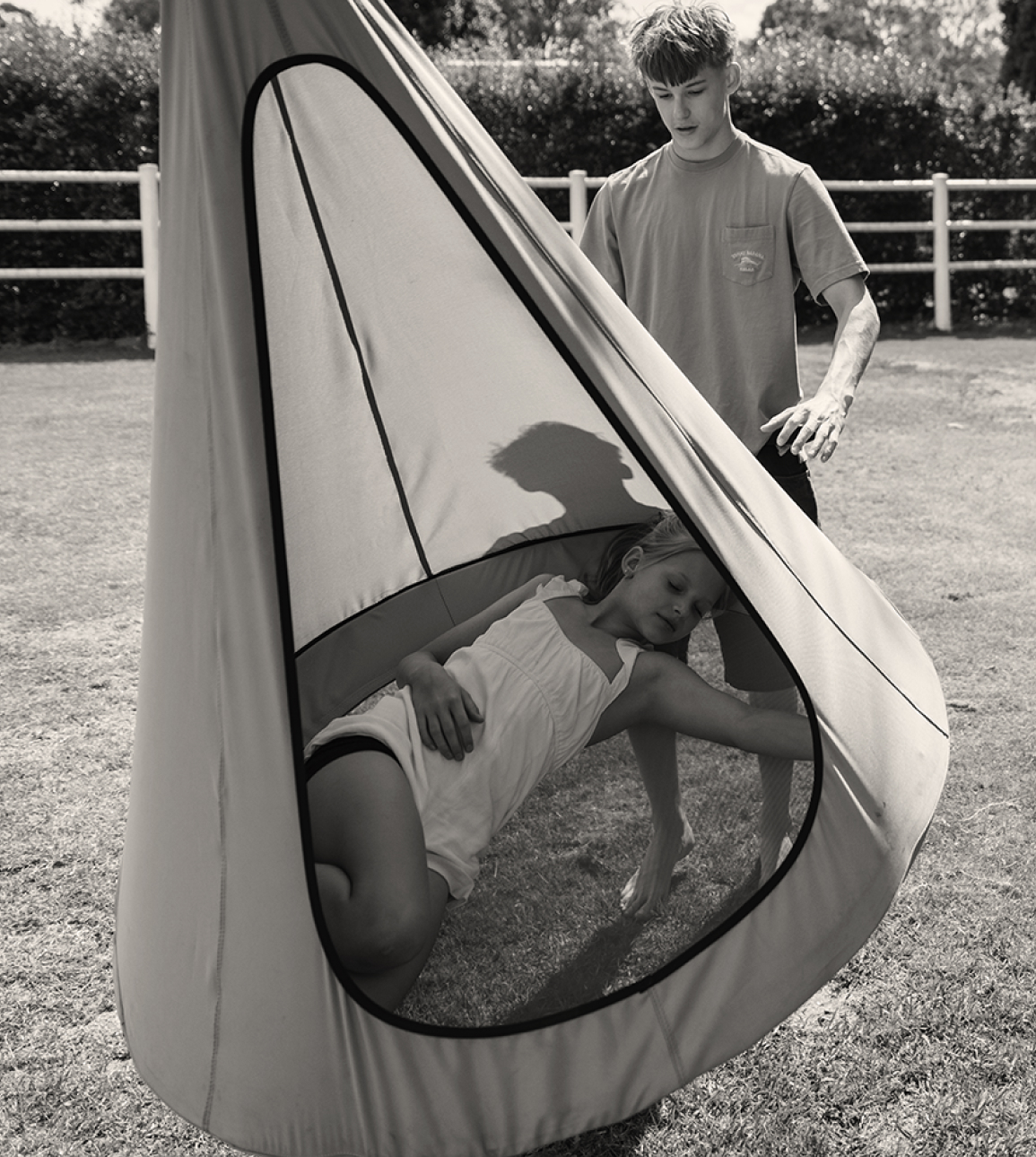
Ready to build your child's sensory sanctuary? Explore our range of Vuly Swing Sets and discover how our modular designs can grow with your family’s needs.
Blake Rutherford is the Senior Sales Team Leader at Vuly Play and an advocate for active, inclusive play for children of all abilities.