
Wait… Canada has grass?
Of course it does.
Canada has plenty of lawns, parks and even huge natural grasslands. The trick is that much of Canada’s lawn grass is cool-season grass, meaning it’s well suited to cooler temperatures and does most of its growing in spring and fall.
So when winter rolls in and your lawn disappears under a blanket of snow, that doesn’t necessarily mean your grass is dead.
It can simply go dormant and wait for warmer conditions to return.
Even during hot, dry periods, healthy lawn grass can sometimes go dormant and green up again when moisture returns.
Grass Myths
Let’s clear up a few things about Canadian grass.
Myth #1: “Snow kills grass.”
Not necessarily.
Snow cover is part of the normal Canadian winter landscape, and many types of grass are adapted to seasonal changes.
A blanket of snow doesn’t automatically mean your lawn is toast.
Myth #2: “Brown grass means dead grass.”
Nope.
Sometimes brown simply means “I’m taking a break.”
Dormant grass can come back when temperatures and growing conditions improve.
Myth #3: “Canadian grass can handle anything.”
Nice try. 😂
Grass is tough, but it still needs the basics: sunlight, water, healthy soil and reasonable foot traffic.
Too much activity — especially when the ground is wet — can compact the soil and make it harder for grass to recover.
So yes, Canada has grass. Lots of it.
It just has a pretty unique relationship with winter.
And when spring finally arrives?
That little green lawn has some serious comeback energy.
So Why Is Grass So Tough?
Grass has been around for millions of years, and it’s one tough little plant.
It grows close to the ground, spreads through seeds and, depending on the type, can also spread through underground stems or runners.
That helps grass keep growing even after it gets cut, walked on or munched by animals.
Grass also does an important job. It helps hold soil in place, supports insects and wildlife, and turns an ordinary backyard into somewhere you can run around, play, have a picnic or let the kids loose.
But even the toughest lawn has its limits.
What Happens When the Kids Take Over?
Now comes the fun bit.
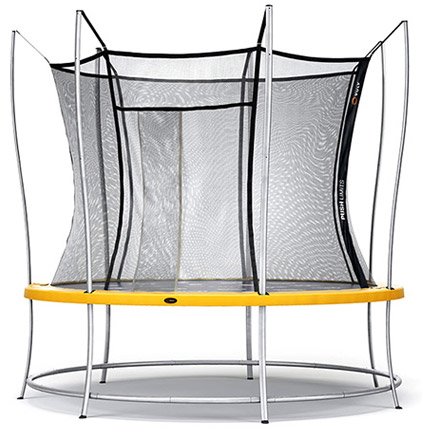
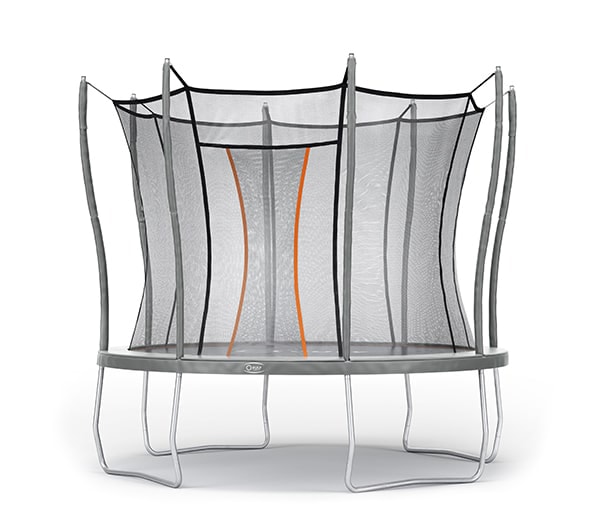
What happens when you put a trampoline, swing set or monkey bars on top of it?
Why does one part of your lawn stay green while another starts looking worn out?
Why do some areas turn brown or become completely bare?
And why does the grass around your play equipment sometimes look like it has officially had enough?
Let’s learn more what’s really happening under your backyard play equipment.
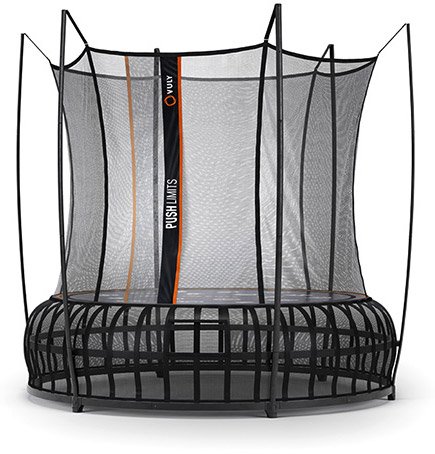
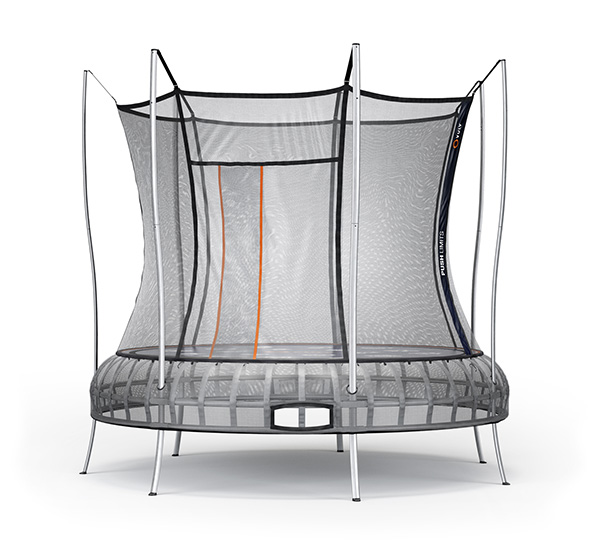
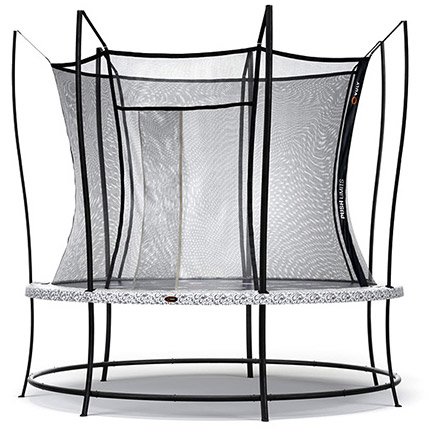
Find out what happens to the grass underneath and around your trampoline, and why some areas can struggle more than others.
See why repeated running, jumping and landing can wear down those busy patches of lawn.
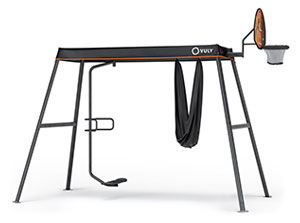
Find out why all those climbs, jumps and landings can give the grass around your monkey bars a serious workout.
Want to Know What Kind of Grass You Have?
Not all grass is the same.
Different grass types handle cold, snow, sunshine, water and foot traffic differently.
So if you’ve ever looked at your lawn and wondered:-
Discover Your Grass: What Kind of Grass Do I Have?
Knowing your grass type can help you understand what it needs to stay healthy and how well it might handle all that backyard action.
So yes, winter might cover your lawn in snow for months.
But underneath it all, your grass may just be waiting for its comeback.
Green grass → white winter → green again.
Pretty impressive for something you walk all over.
Sorry, grass.