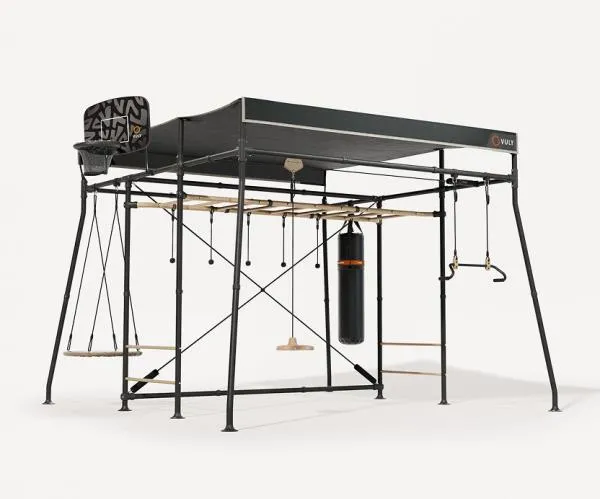
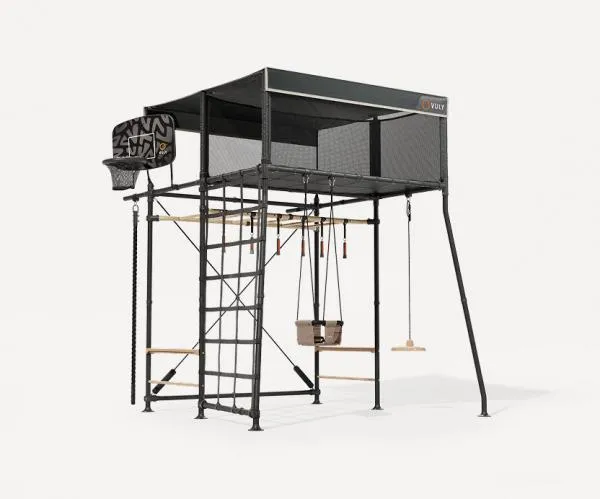
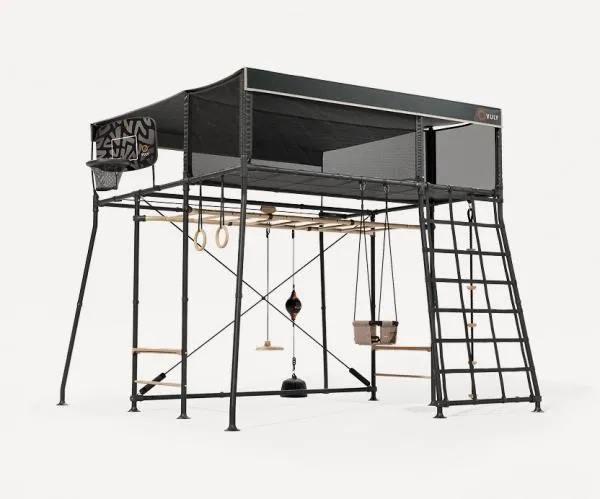
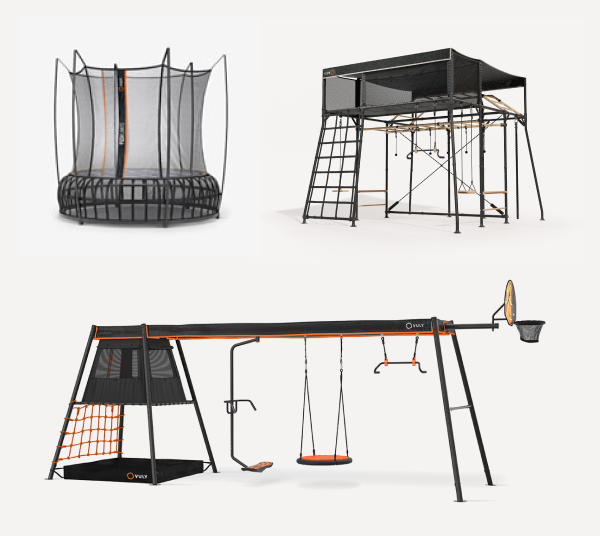
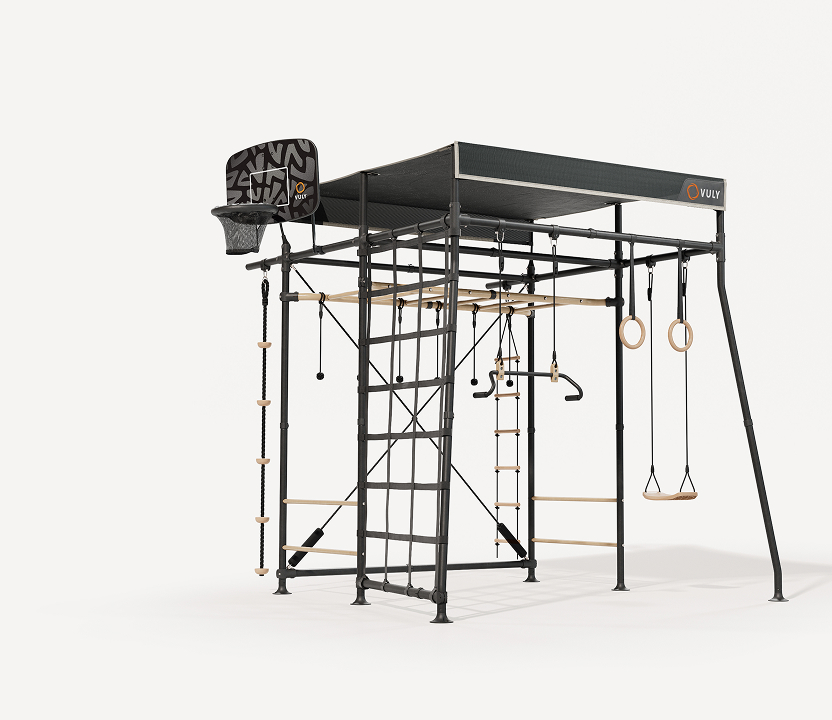
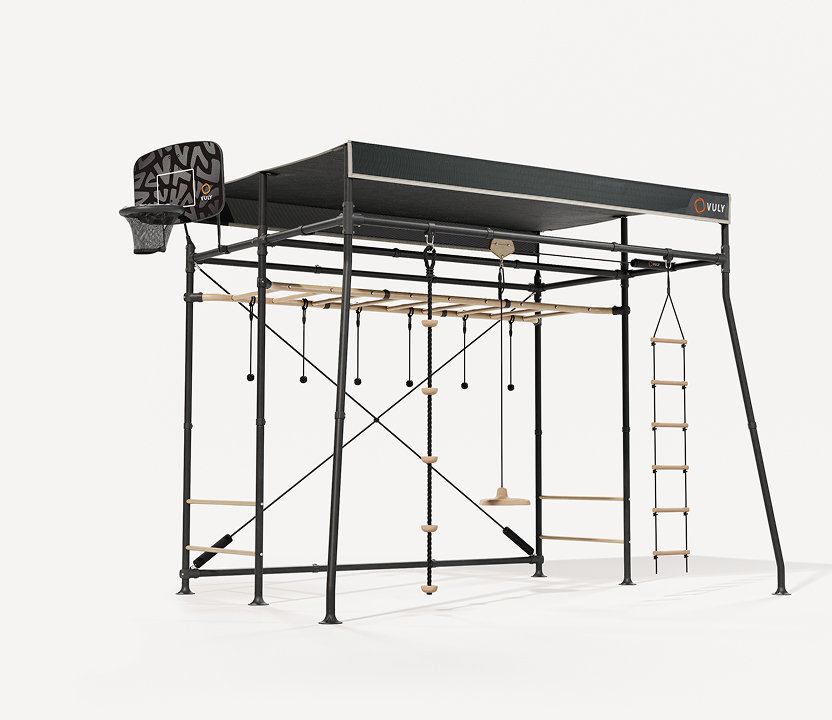
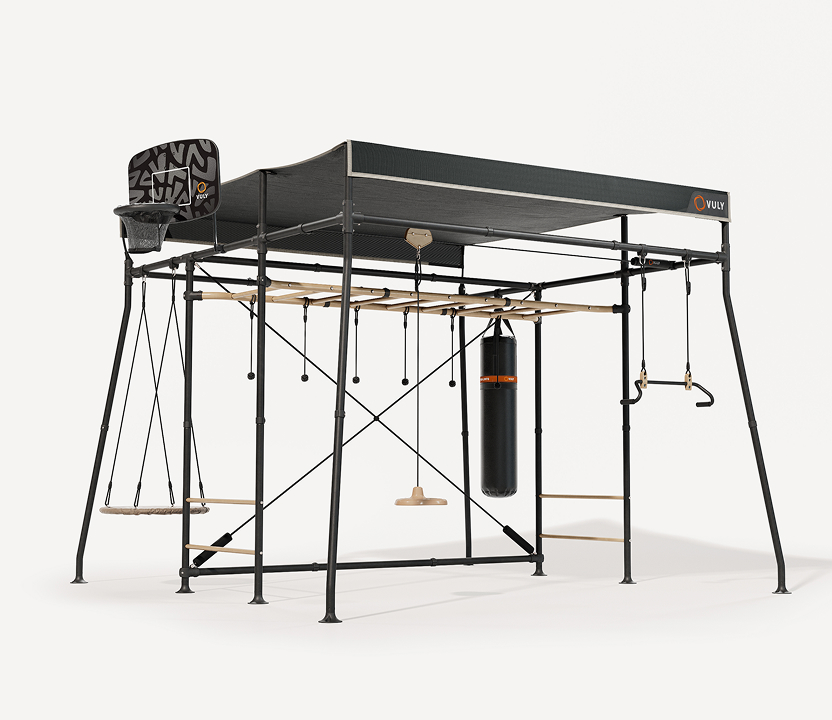
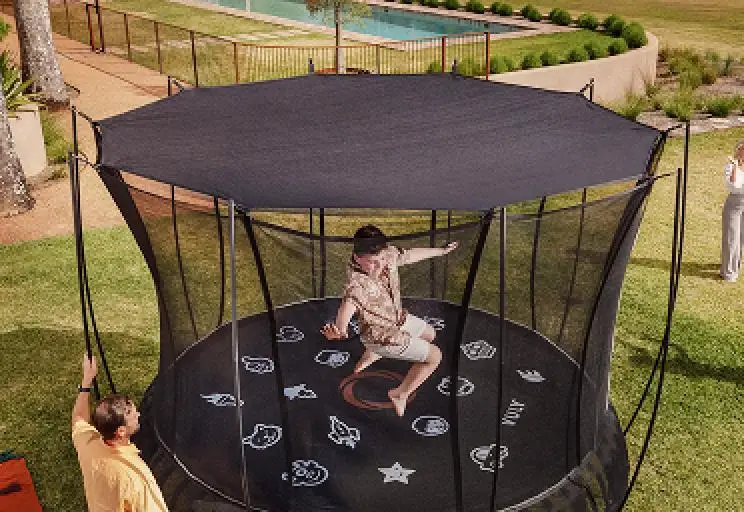
Backyard play can get pretty flash these days.
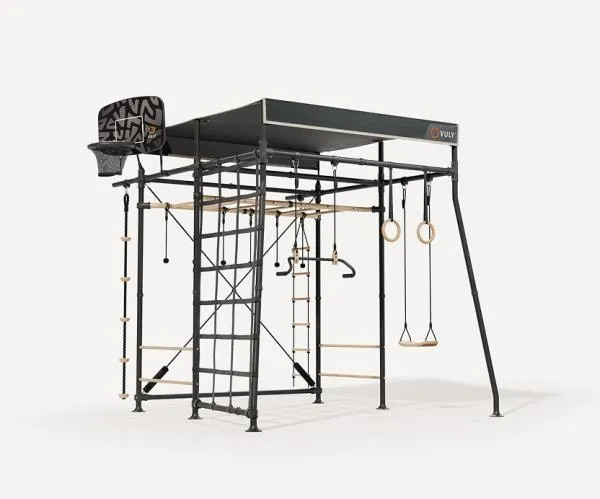
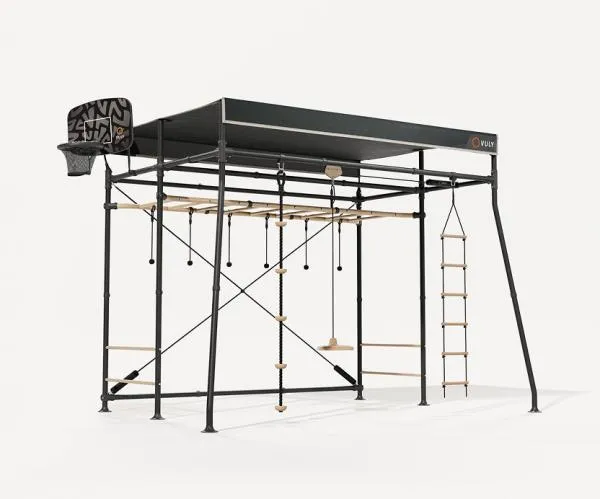
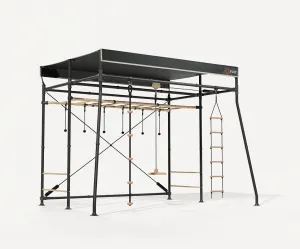
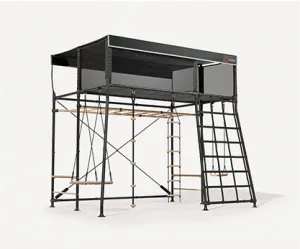
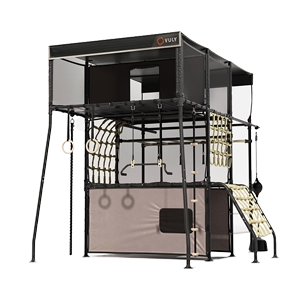
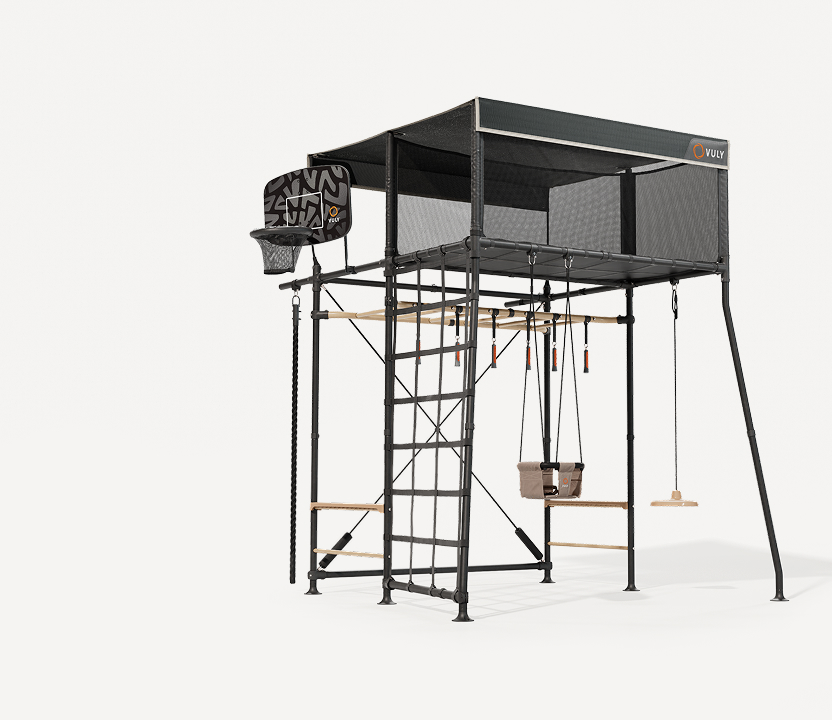
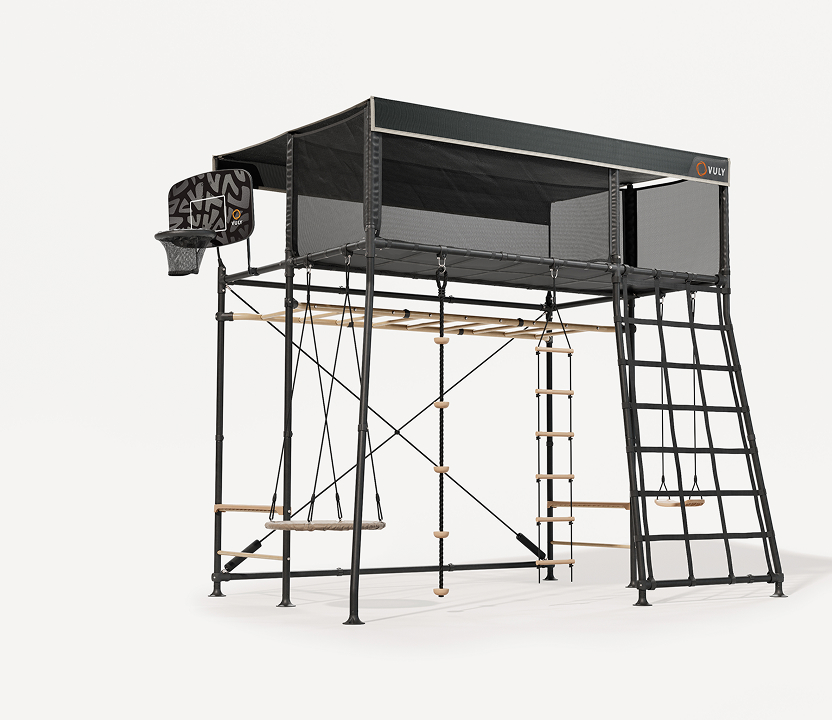
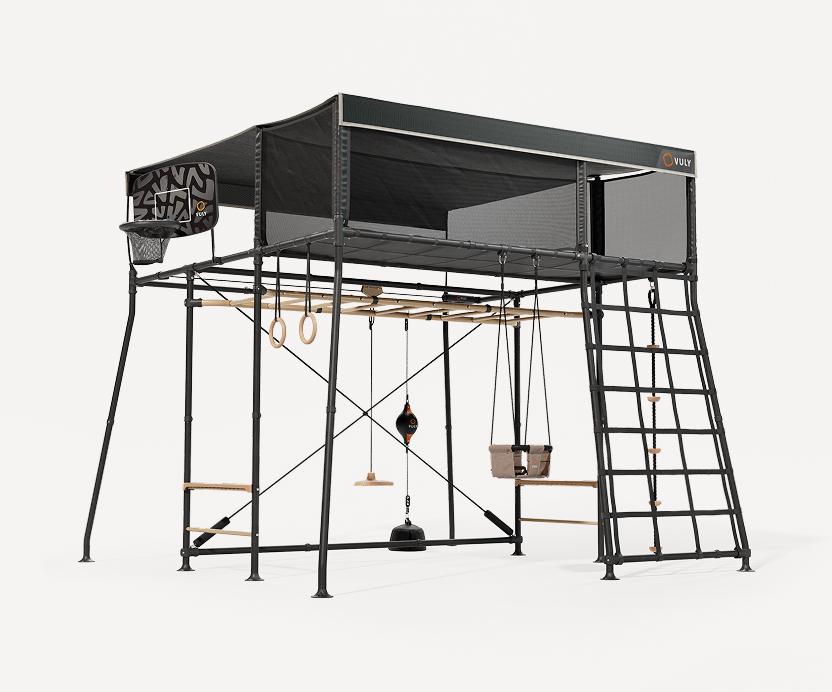
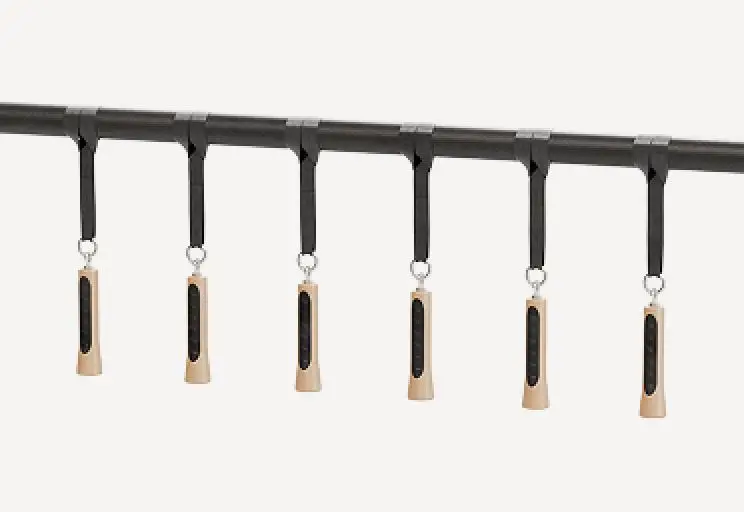
Cargo Net. Monkey bars. Nest swings. Roman Rings.
Enough gear to turn the backyard into its own little adventure park.
And then there’s the seat swing.
One seat. Two ropes. Job done.
And somehow, the kids still keep coming back to it.
If you’re setting up your backyard for the first time or thinking about adding a kids swing to your current play setup, the classic seat swing is still one of the easiest options to understand.
No complicated rules. No big learning curve.
Just sit down, hold on and swing.
Simple as.
What Is a Seat Swing?
A seat swing is the traditional single-seat swing most Kiwi parents probably remember from the local park or school playground.
It hangs from two attachment points on a compatible swing set or monkey bar frame and moves backwards and forwards underneath it.
Younger kids might start with:-
“Push me!”
Then:-
“Higher!”
Then about thirty seconds later:
“Higher!”
Eventually, many children figure out how to move their legs and body to keep themselves swinging.
And just like that, Mum or Dad gets promoted from full-time swing pusher to spectator.
Not bad.
Why Do Kids Still Love a Classic Swing?
Not everything in the backyard needs to be fancy.
Sometimes kids just want to move.
A traditional backyard swing gives them something familiar.
They’ve probably already seen one at:-
- the local playground
- school
- kindy
- the neighbourhood park
- a mate’s place
There isn’t much explaining involved.
They can swing gently. Try going higher.
Figure out how to keep themselves moving.
Hop off. Run around.
Then come back ten minutes later.
A seat swing can encourage:-
- active outdoor play
- balance
- coordination
- body control
- confidence
- independent play
- a bit less screen time
The kids probably won’t be thinking about any of that.
They’re just having fun.
And honestly, that’s the whole point.
Who Is a Seat Swing Best For?
The easiest way to work this out?
Watch what your kid does at the playground.
If they make a beeline for the swings every time, that’s a pretty decent clue.
A traditional kids swing seat may suit children who enjoy:-
- regular playground swings
- active movement
- repetitive play
- controlling their own speed
- playing independently
- simple outdoor activities
It can also be a good option if you don’t want to completely fill the backyard with gear.
You don’t need every accessory.
Sometimes one thing the kids genuinely use is better than five things that look good in photos.
Choice as.
Who Might Be Better With Another Swing?
A standard seat swing won’t suit every child.
Very young kids who still need more support may be better with a baby swing or toddler swing designed for their age and stage.
There’s no one “best” swing.
The better question is:-
What does your kid actually enjoy?
That’ll usually tell you more than any top-ten list ever will.
Can Kids Learn to Swing by Themselves?
Yep, many kids gradually work it out.
At first, they might rely on an adult to push them.
Then they start experimenting with their legs.
Moving their body.
Working out the timing.
Eventually something clicks.
And suddenly it’s:-
“Watch me!”
instead of:-
“Push me!”
There isn’t one fixed age when every child learns.
Confidence, development and previous experience all play a part.
That’s one reason the classic swing can work well over time.
The way kids use it can change as they get more confident.
Is a Seat Swing Good for Active Kids?
Absolutely worth considering.
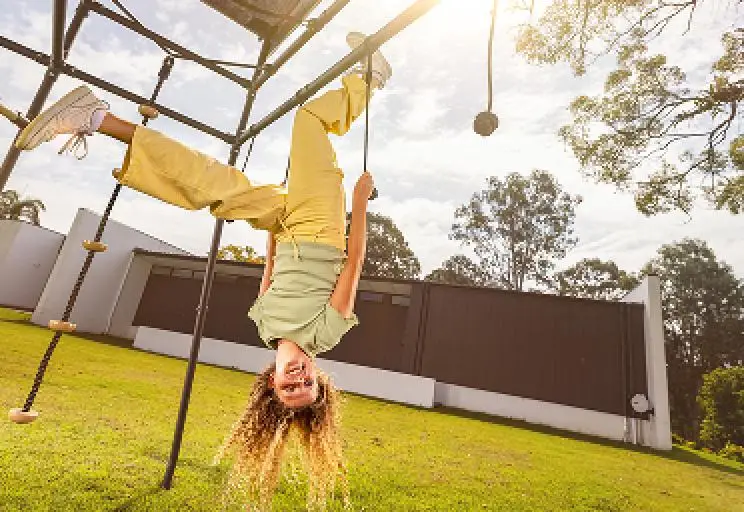
Swinging might look simple, but kids are still using their legs, body and coordination to create and maintain movement.
The best bit?
They don’t think of it as exercise.
Nobody’s out there going:
“Right, time for my backyard fitness session.”
They’re just swinging.
That’s often the easiest way to get kids moving.
Make it fun first.
Everything else follows.
Is a Seat Swing a Good Backyard Addition?
If your kid already loves regular swings, then yep, it can make a lot of sense.
A seat swing may be a good fit when:-
- your child already enjoys playground swings
- you want a simple outdoor activity
- your current frame is compatible
- you’ve got enough clearance
- the swing suits your child’s age
- your child enjoys independent play
It may not be the right fit when:-
- your child needs more seating support
- they rarely use swings
- they prefer playing with others
- your frame isn’t compatible
- another accessory suits their play style better
You don’t need to build Rainbow’s End in the backyard.
A few things the kids actually love?
Plenty.
The 30-Second Kiwi Parent Check
Before getting one, ask yourself:-
-
Does my kid already love swings?
-
Is this one right for their age and size?
-
Will it fit our current setup?
-
Have we got enough space around it?
-
Will they actually use it?
Mostly yes?
Sweet as.
You’re probably onto something.
And if you’re planning get new sets of monkey bars, apply $15 NZD off using this [V U L Y D I G E S T] .
No pressure to build the whole setup in one go either.An Author’s Childhood Memories
Think about the swings you remember growing up with.
No app. No LEDs.
No Bluetooth. No charging cable.
Just a seat. Two ropes.
And someone telling you:
“Not too high!”
You probably still had a great time.
That’s why the classic seat swing hasn’t really gone anywhere.
It gives kids movement.
A bit of independence.
Some fresh air.
And another excuse to get outside.
Nothing too flash.
Nothing complicated.
Just good backyard fun.
And sometimes, that’s choice as.