There is something pretty satisfying about hitting a target and watching it move.
Especially when you are a kid.
See the ball.
Take a swing.
Bop.
It moves.
Now you want another go.
That simple reaction is what makes a Punching Ball easy for tamariki to understand.
No complicated rules.
No long setup.
No need to turn the backyard into a training camp.
Just:- See it. Aim. Hit. React. Go again.
And while it still feels like simple play, kids are also using timing, visual tracking, coordination and body control.
They probably will not care about any of that.
They will just want to beat their last go.
What Is a Punching Ball?
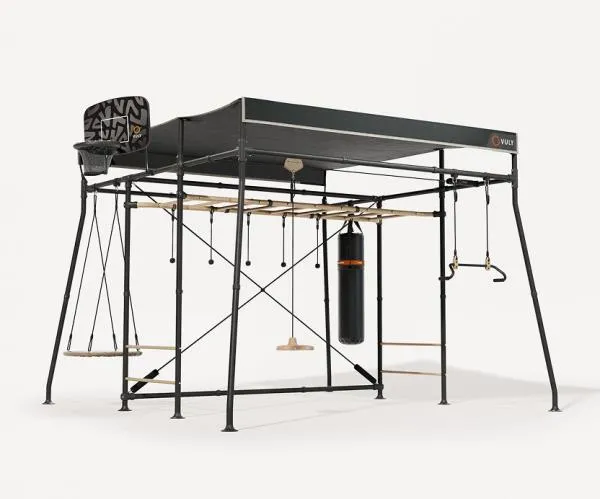
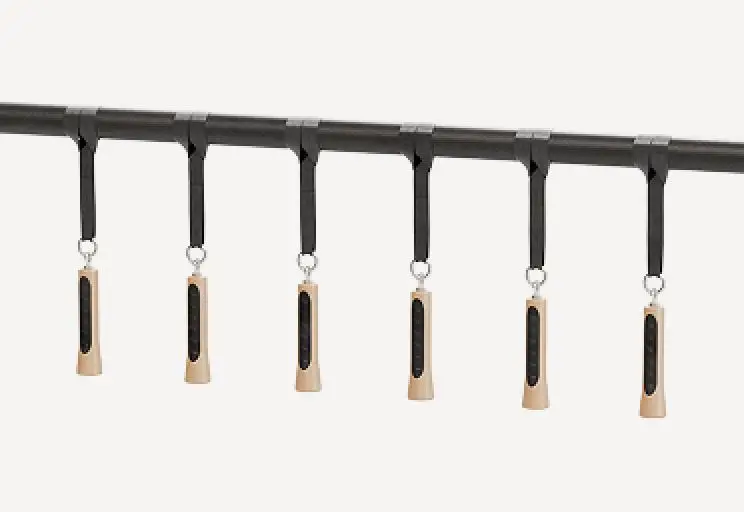
A Punching Ball is a hanging outdoor play accessory designed to move when it is hit.
Because the target reacts, kids need to watch where it goes and adjust before trying again.
That can encourage:-
-
aiming
-
timing
-
hand-eye coordination
-
visual tracking
-
balance
-
repeated movement
-
reacting to a moving target
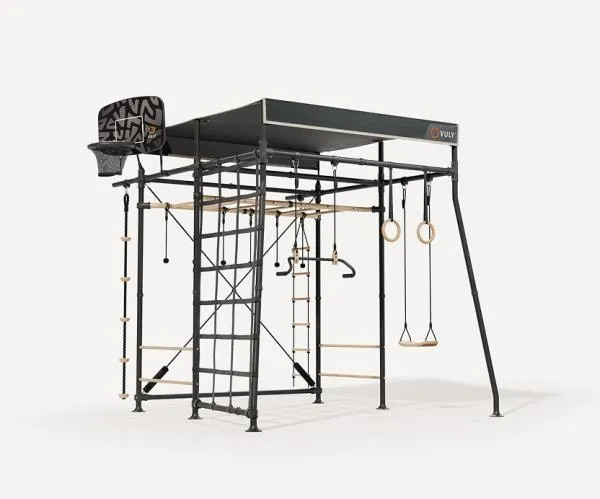
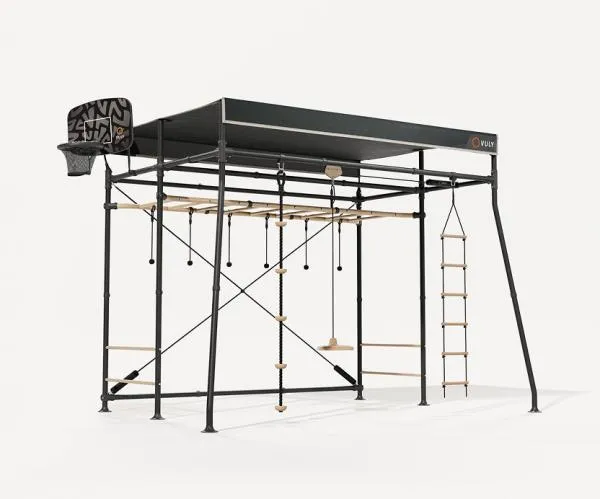
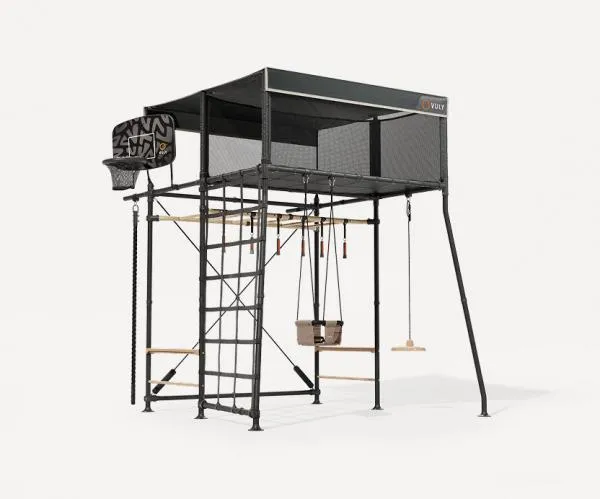
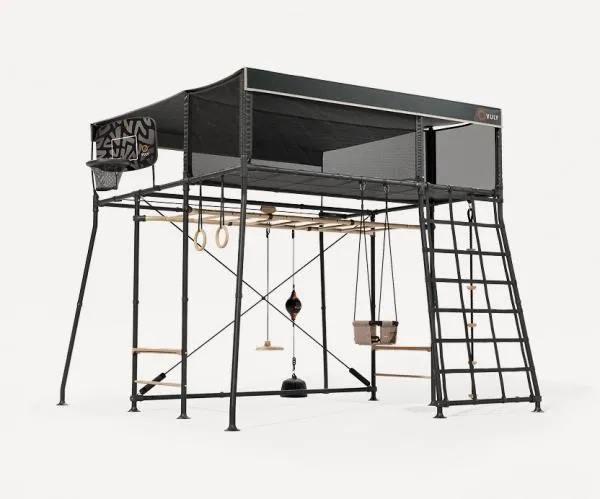
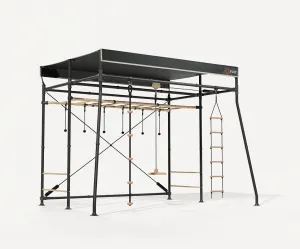
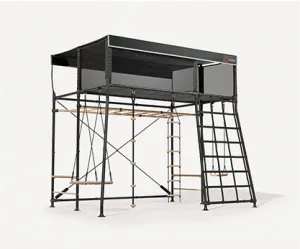
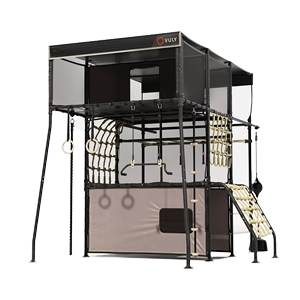
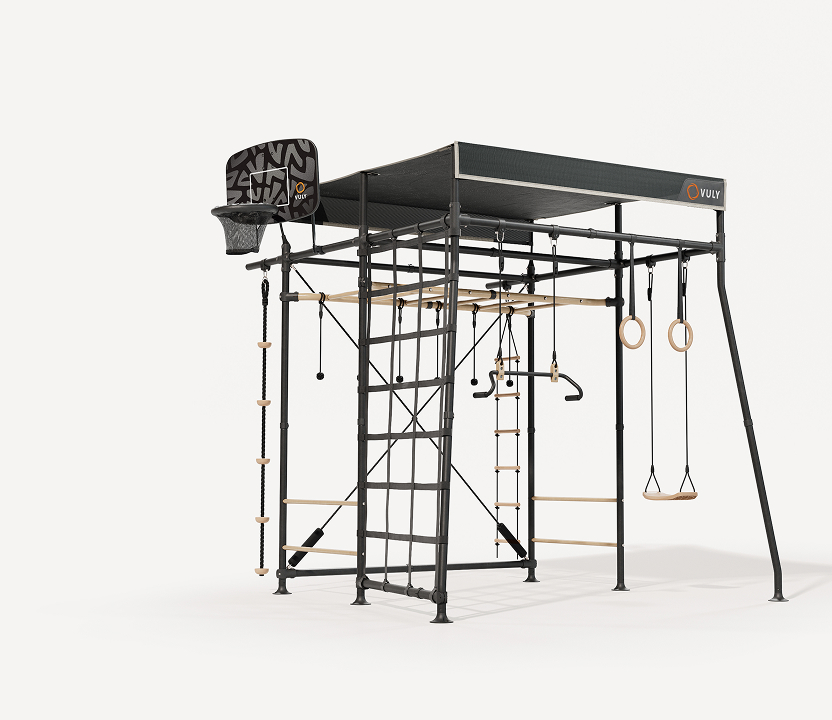
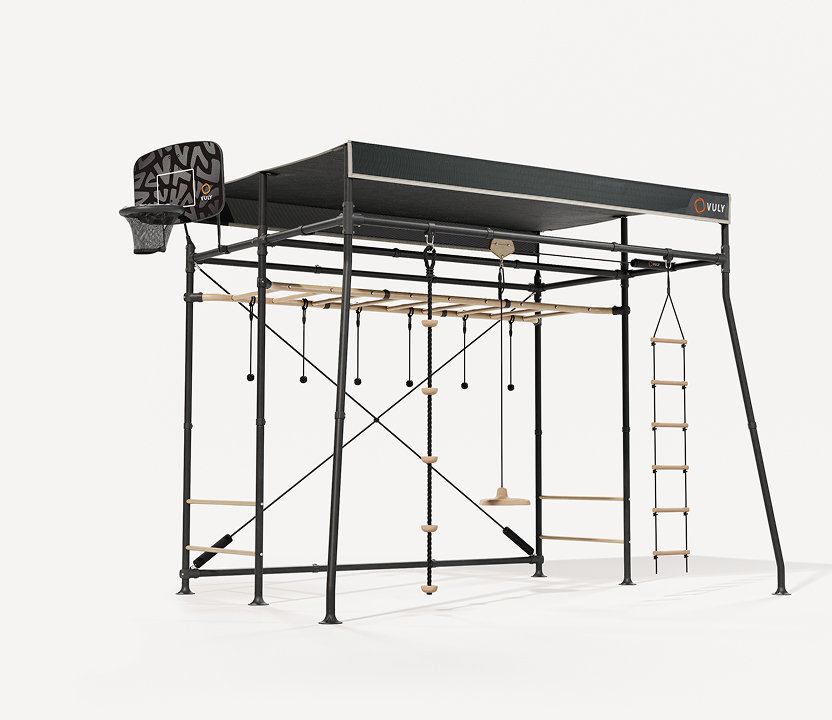
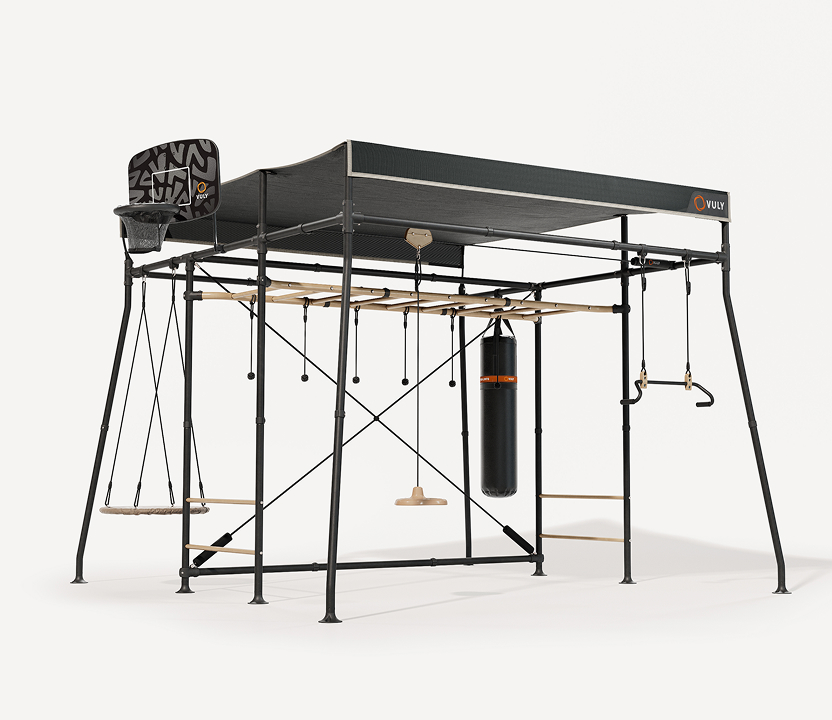
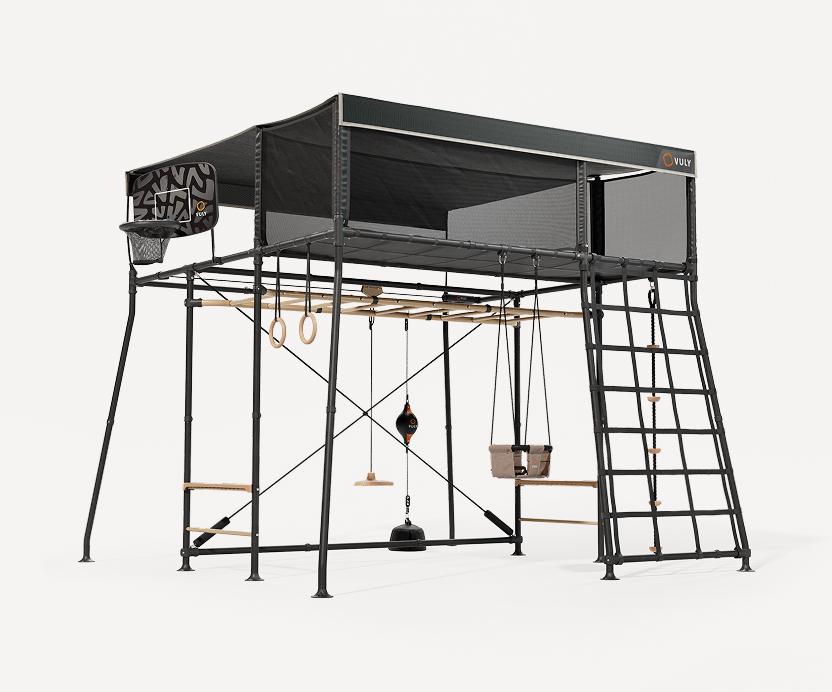
For backyard use, a Punching Ball can attach to compatible monkey bars or play equipment, depending on the setup.
Simple idea. Plenty going on.
Why Does a Moving Target Keep Kids Interested?
Because it does something back.
Hit the ball. It moves.
Watch where it goes.
Adjust. Try again.
That creates a really simple cycle:-
action → reaction → adjustment → another go
The next attempt is never exactly the same because the target keeps changing position.
That little bit of unpredictability can make repeat play more interesting.
You do not need to stand there saying:-
“Try again.”
The ball is already doing a pretty good job of that.
Can a Punching Ball Help With Coordination?
It can give children an easy way to practise coordination through play.
Hand-eye coordination is about using what you see to guide your movement.
With a Punching Ball, tamariki need to:
- find the ball
- judge how it is moving
- time their action
- make contact
- track where it goes next
Sounds technical.
To the kid, it is more like:-
“Can I get it again?”
That is the beauty of play.
Useful movement skills can develop without the activity feeling like a lesson.
Why Does Repetition Matter?
Kids often enjoy repeating an activity when the result is clear.
Hit it once.
It moves.
Hit it again.
Now it is somewhere slightly different.
That naturally creates little challenges.
For example:-
-
can I hit it five times?
-
can I alternate hands?
-
can I beat my last score?
-
can I hit it before it swings back?
-
can I finish the monkey bars first?
That turns simple repetition into something they can improve at.
No coach needed. No whistle.
No one yelling from the sideline.
Sweet as.
What Kind of Tamariki Might Enjoy a Punching Ball?
A Punching Ball may suit kids who already enjoy:-
-
target games
-
ball activities
-
quick challenges
-
repeat play
-
active outdoor time
-
activities with immediate feedback
A good clue is to watch what they already do.
Do they kick balls towards anything that vaguely looks like a goal?
Throw things through hoops?
Try to beat their last score?
Turn random backyard objects into targets?
If yes, this sort of activity may suit them nicely.
Is It Good for Active Kids?
Yep.
Especially kids who like short bursts of movement.
They might use the Punching Ball for five minutes.
Head over to the monkey bars.
Come back later.
Try again.
Then challenge a sibling or mate.
Then disappear for a snack.
That still counts.
Outdoor play does not need to happen in one long perfect session.
Sometimes tamariki just bounce between whatever looks fun at the time.
Pretty normal, really.
Can Kids Use It on Punching Ball?
Once it is properly installed and suitable for the child, the activity itself is pretty easy to understand.
They do not necessarily need:-
-
another child
-
someone throwing the ball
-
a parent keeping score
-
a full game setup
They can create their own challenge.
Ten hits. Alternating hands.
No misses. Timed rounds.
Obstacle-course finish.
For whānau, that can make it useful for after-school play, weekends or those random moments when someone announces:
“I’m bored.”
Well.
There is the target.
Why Does Placement Matter?
Where the Punching Ball sits can change how naturally it gets used.
If it is near monkey bars or climbing equipment, kids may start adding it into games they already play.
If it is tucked awkwardly into a corner, probably not so much.
Think about:-
- approach space
- room for the ball to move
- nearby accessories
- surrounding clearance
- how tamariki move through the setup
Good placement should make the Punching Ball easy to see, reach and use.
Simple stuff. Still important.
What Does a Punching Ball Add to the Backyard?
Its biggest strength is the immediate feedback.
Kids do something.
The ball reacts.
They adjust.
Then they try again.
From that one simple loop, they can create:
- score challenges
- coordination games
- obstacle courses
- independent play
- sibling competitions
- quick movement breaks
One target.
Heaps of possible games.
Not bad.
Will Kids Keep Using It?
No backyard accessory comes with a guarantee.
Kids change.
Their games change.
Their favourite thing this week might be completely forgotten next week.
What helps is flexibility.
The same Punching Ball can become:-
- a target
- a score challenge
- a timed activity
- an obstacle-course station
- a personal best challenge
Same equipment.
Different goal.
That gives tamariki room to keep changing the game themselves.
The 30-Second Kiwi Parent Checklist
Before adding one, ask:
-
Does my child already enjoy target games?
-
Do they like quick challenges?
-
Will it fit our current setup?
-
Is there enough room for the ball to move?
-
Can I actually see them coming back to it?
Mostly yes? Sweet as.
That is a pretty good sign.
No pressure.
Just worth a look.
Did You Know?
Punching Ball ≠ Boxing Bag.
Punching Ball = small, bouncy, quick.
Boxing Bag = big, heavy, takes a proper whack.
North Island Mum: “Too wet outside? Go punch the ball.”
South Island Dad: “Too cold? Put a jumper on and go punch the ball.”
Kid: “Can I just stay inside?”
Parents: “Nah, mate. Have a crack.”