Backyard play does not always need to be full-on.
Sometimes tamariki just want a place to slow down, read a book, have a chat or turn a little corner into their own private hideaway.
That is where a cubby swing can fit in nicely.
It still gives them the movement of a swing, but the enclosed shape creates a more sheltered place where they can relax, imagine and enjoy being outside.
Key Takeaway: A cubby swing gives tamariki a cosy little space to swing, read, relax and use their imagination outdoors. A hanging cubby swing can work well in a Kiwi backyard, especially for kids who enjoy both active play and quieter moments. Before buying, check compatibility, weight limits, available space and how the swing should be cared for outside.
What Is a Cubby Swing?
A swing and little hideaway in one
A cubby swingis an enclosed or partially enclosed hanging swing designed for gentle swinging, relaxing and imaginative outdoor play.
Compared with a standard swing seat, it gives kids a little more space around them and can feel like their own small retreat.
Tamariki might use it as:-
- a swing
- a reading nook
- a secret hideout
- a pretend waka
- a spaceship
- a backyard base
- a quiet spot between activities
That flexibility is what makes a cubby swing different from a normal swing.
How Does a Hanging Cubby Swing Work?
It connects to a compatible play system
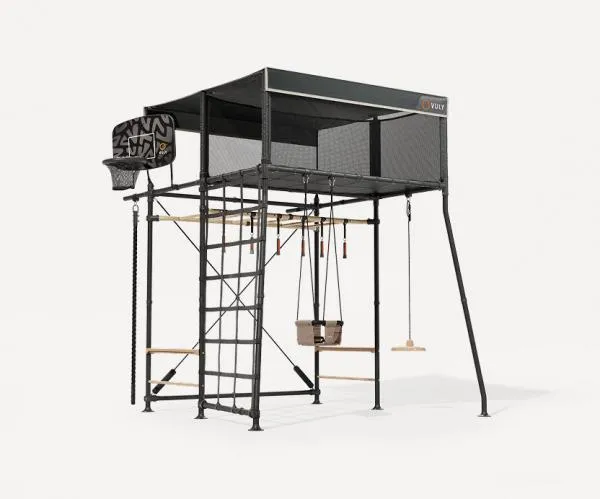
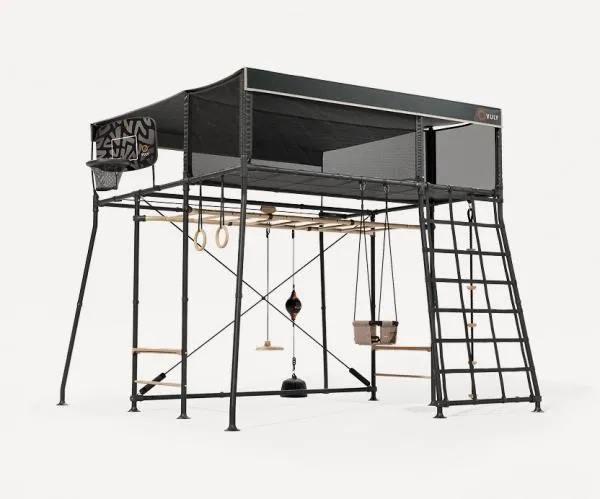
A hanging cubby swing attaches to a suitable swing frame or play structure using the required hanging points.
Before buying one, check:-
- playset compatibility
- available swing bays
- maximum user weight
- recommended age
- surrounding clearance
- installation instructions
Larger swing accessories can take up more room than a standard seat, so checking the full setup first can save a bit of hassle later.
Can Kids Relax in a Cubby Swing?
Yes, outdoor play can have quieter moments too
Not every part of outdoor play needs to involve running, climbing or bouncing.
A cubby swing can give tamariki somewhere to slow down while still enjoying the fresh air.
They might use it:-
- after jumping on the trampoline
- after climbing the monkey bars
- while reading outside
- during a quiet afternoon
- while chatting with a sibling
- when they just want a little space
That mix of active and quieter play can make the backyard more useful for different moods.
Is a Cubby Swing Good for Whānau Play?
It can become part of shared backyard time
A cubby swing may feel like a private little space, but it can still become part of wider whānau play.
Kids might:-
-
take turns
-
include it in pretend games
-
use it as a backyard base
-
move between the swing and other play equipment
-
sit nearby and chat while someone else uses it
Always check the recommended number of users and maximum weight before assuming more than one child can use it at the same time.
How Much Space Does a Hanging Cubby Swing Need?
Think beyond the size of the swing itself
A swing needs room to move.
Before installing one, check clearance:-
- in front
- behind
- on both sides
- around nearby accessories
- around the full play structure
This matters even more if your playset already has several swings or climbing accessories attached.
Can a Cubby Swing Stay Outside?
Weather means it still needs a bit of care
Outdoor gear has to deal with sun, rain, wind and the odd four-seasons-in-one-day kind of afternoon.
Check the product guidance for:-
-
drying
-
drainage
-
cleaning
-
sun exposure
-
rain exposure
-
storage
-
general maintenance
Even if a swing is made for outdoor use, looking after the fabric and fittings can help it stay in better condition for longer.
Who Is a Cubby Swing Best For?
Look at your child's play style first
A cubby swing may be a good fit for tamariki who already enjoy:-
-
blanket forts
-
cubby houses
-
reading
-
gentle swinging
-
pretend play
-
quiet spaces
-
mixing active and calm play
It may be less important for children who mainly want:-
-
fast swinging
-
climbing challenges
-
obstacle courses
-
high-energy play
The best backyard accessory is the one that fits the way your child actually likes to play.
Is a Hanging Cubby Swing Worth It?
It depends on what your backyard is missing
A hanging cubby swing can be worth considering if your backyard already has plenty of action but not many quiet spaces.
It can add:-
- gentle swinging
- imaginative play
- a cosy hideaway
- reading time
- a place to slow down
- more variety to an existing playset
If the swing is compatible with your setup and matches your child's play style, it can become more than just another accessory.
It can become their own little corner of the backyard.
A place for play, a place for downtime, and sometimes just a place to sit with the whānau nearby.